Stage 19 · A-348
Laujar de Andarax
Historic capital of the Alpujarra
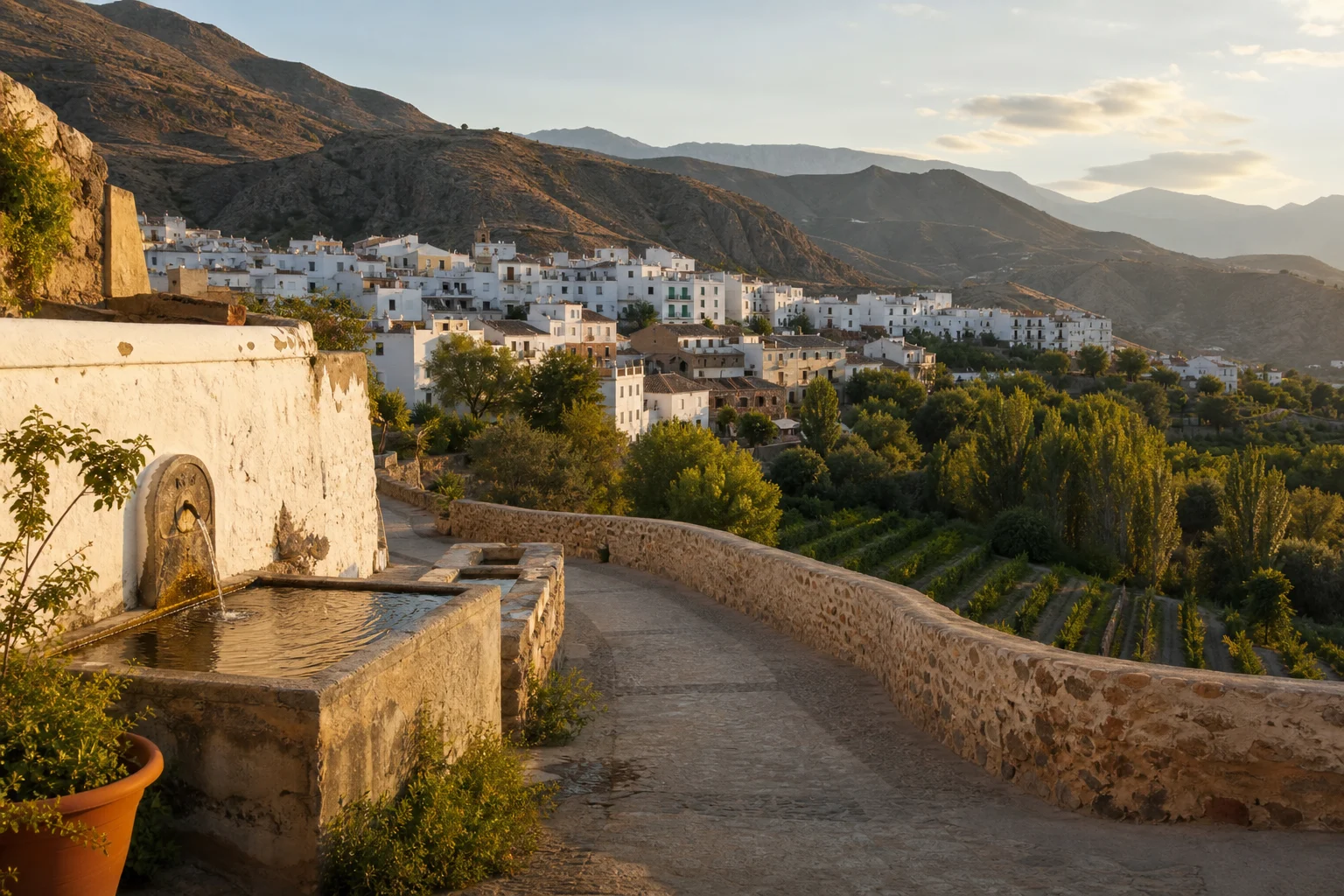
Historic capital of the Alpujarra and the comarca's largest municipality. A land of wine, fountains and waterfalls, tied to the names of Boabdil and Aben Humeya.
Key facts
- Population
- 1,658 inhabitants
- Area
- 92.74 km²
- Altitude
- 906 m
Story and present
Laujar de Andarax is the historic capital of the Alpujarra and the comarca’s largest municipality: 92.74 km² climbing from the fertile valley floor to the peaks, with much of its territory inside the protected Sierra Nevada area. The village sits at 906 metres, between the southern slopes of the Sierra Nevada and the Sierra de Gádor, at the head of the valley where the Andarax river rises.
Inhabited since prehistory, Laujar reached its peak under Arab rule; the Arabic name of the Andarax has been translated as “the threshing floor of life”. After the capitulation of Granada in 1492, Boabdil took refuge here before his exile in Africa, and his wife Morayma, the last sultana of Granada, died in Laujar in 1493. A few decades later the village was home to Aben Humeya, leader of the War of the Alpujarras in 1570. The ruins of the Nasrid alcazaba, above the old town, survive from that era.
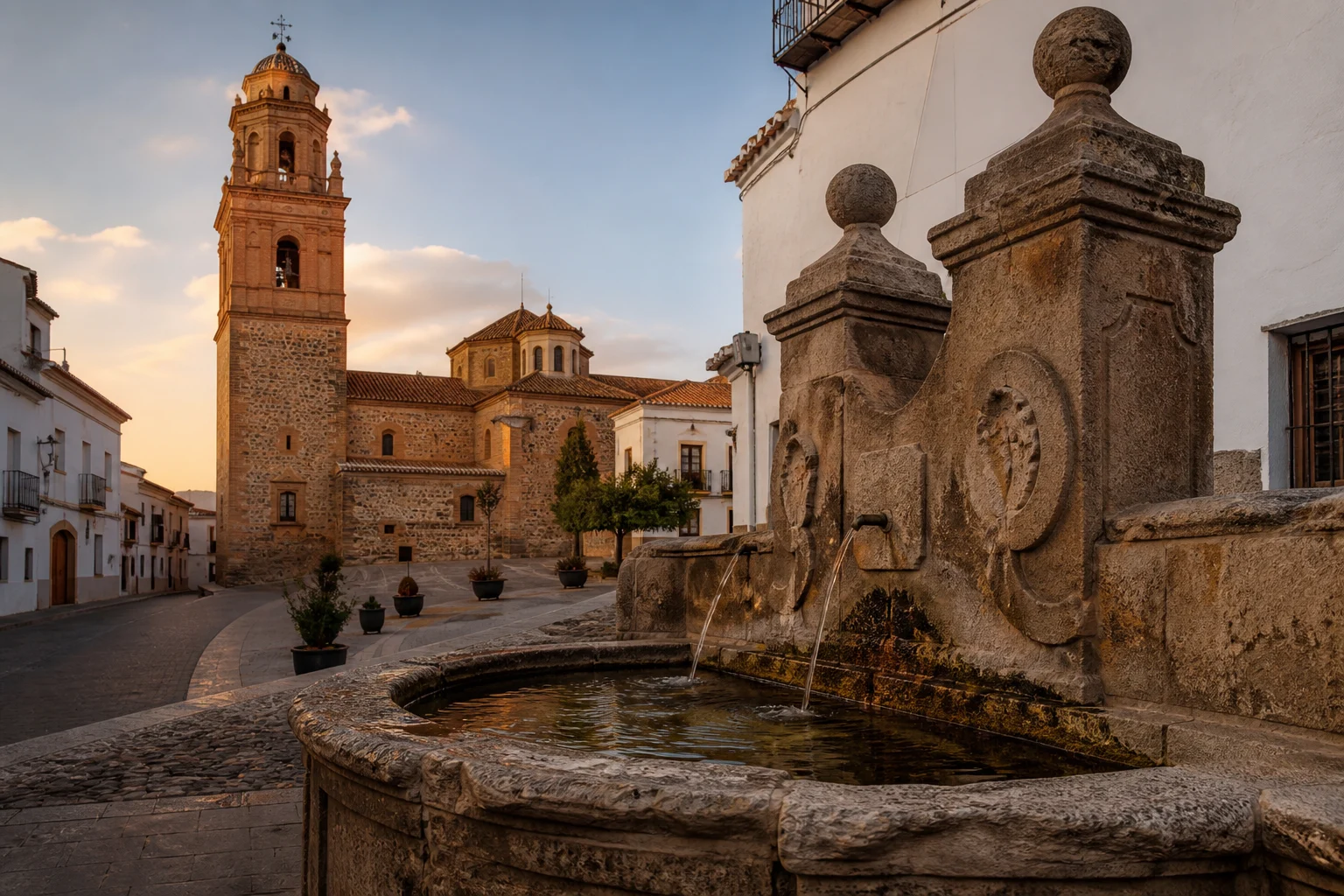
The heritage here revolves around water and stone. The church of la Encarnación, built in the seventeenth century on the site of the former mosque, blends Mudéjar craft with Baroque taste; its size earned it the nickname “cathedral of the Alpujarra”, and its high altar carries an eighteenth-century Baroque altarpiece. Through the streets, fountains and pilares are a reminder that water never runs short here: the Pilar de la Plaza, the Pilar de la Cañada and the Fuente de San Antonio still flow.
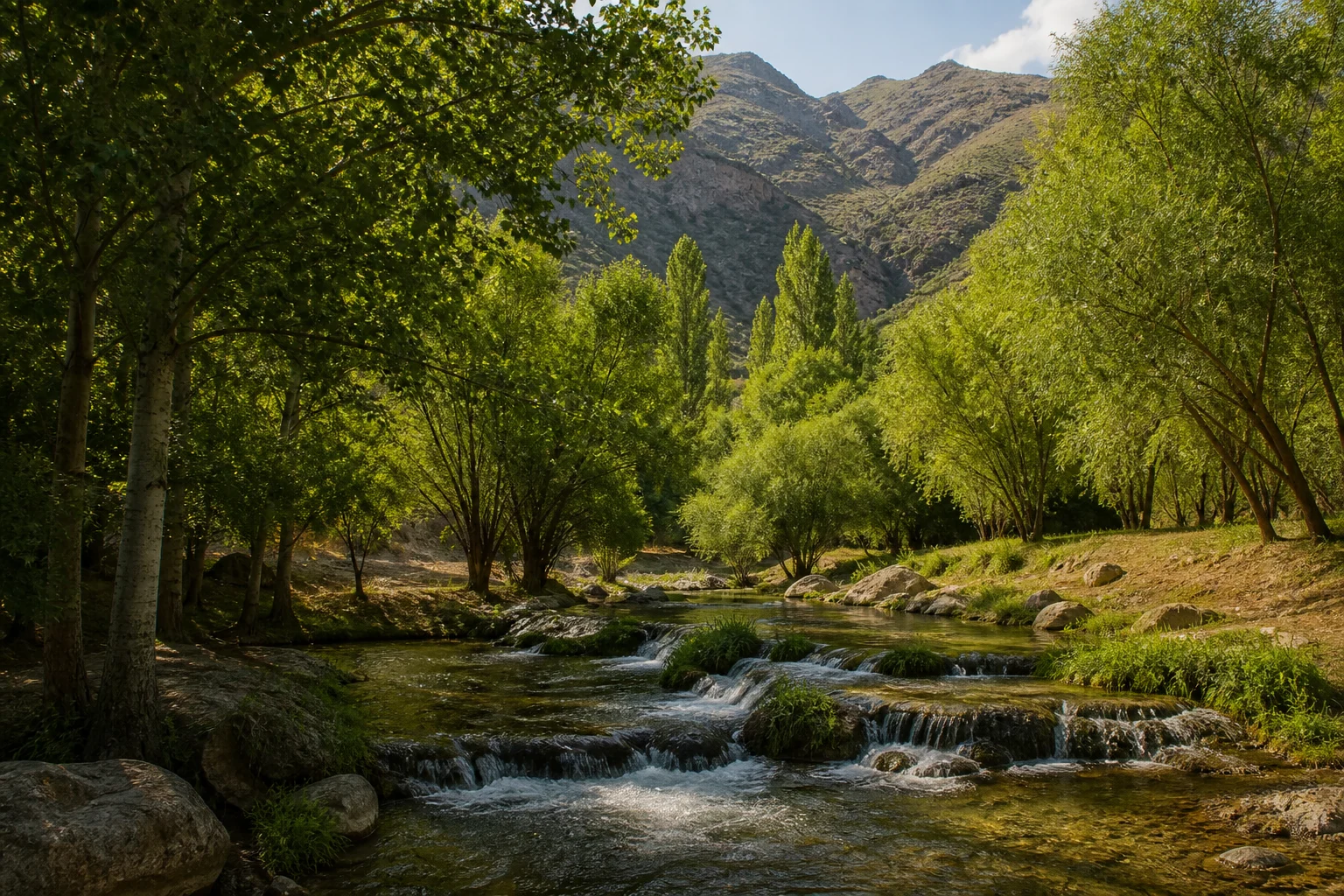
Laujar is wine country too: together with Fondón and Alcolea it holds the province’s largest vineyard areas, now covered by the Vino de la Tierra Laujar-Alpujarra designation. A short walk from the village, the El Nacimiento recreation area gathers the sound of the river, shade trees and picnic tables, and several waterfalls lie hidden within the municipality. The modernist poet Francisco Villaespesa was born here in 1877.
What to see
- Church of la Encarnación, the “cathedral of the Alpujarra”, and its Baroque altarpiece
- Ruins of the Nasrid alcazaba
- Fountains and pilares: Pilar de la Plaza, Pilar de la Cañada, Fuente de San Antonio
- El Nacimiento recreation area beside the Andarax river
- Waterfalls around Laujar
- Wineries of the Vino de la Tierra Laujar-Alpujarra
Local festivals
- Feria and festivities in honour of the Virgen de la Salud (second half of September)
Highlights
- Historic capital of the Alpujarra
- Boabdil’s last refuge
- The “cathedral of the Alpujarra” and its Baroque altarpiece
- High-altitude wine: Laujar-Alpujarra
The landscape
From the land and the table
- Product Soplillos
- Product Borrachillos, roscos de sartén y gañotes
- Product Papajotes de calabaza
- Product Milhoja alpujarreña y hojuelas
- Product Mantecados de Laujar y Fondón
- Product Merengues de Canjáyar