Tomato
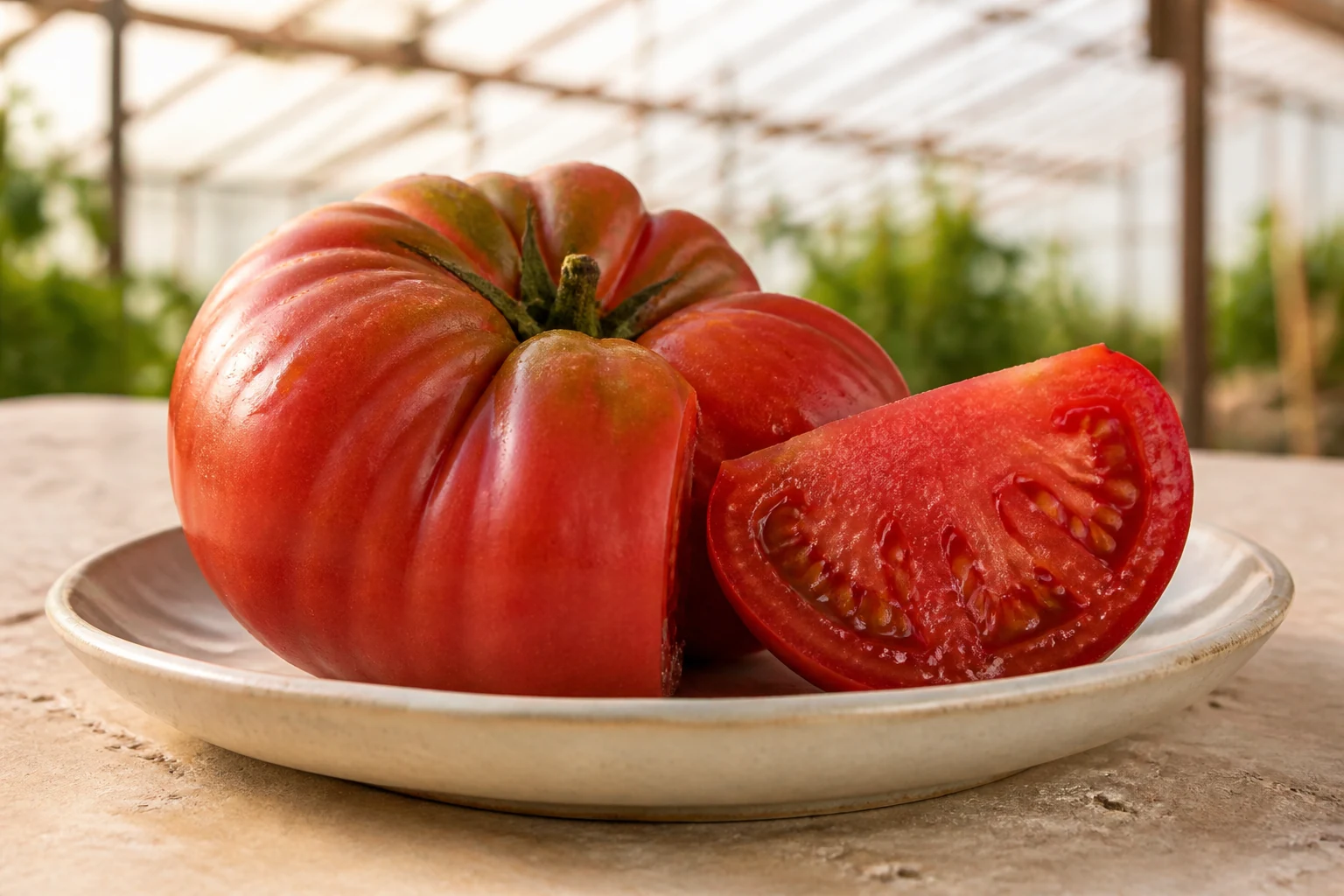
From vine tomatoes to ribbed fruit, the tomato shapes Almería's huerta. Under the diffuse light of the greenhouses, sand-mulched soil, drip irrigation and sometimes salinity produce very different profiles — from cherry to Raf de Níjar.
Thirty-two crops, several landscapes and the same Mediterranean light.
Along the coast, greenhouses draw a white mosaic across the Campo de Dalías, the Bajo Andarax and the Campo de Níjar. The most recent official figure puts their physical footprint at around 33,000 hectares in the province; the 62,743 cultivated hectares reported for the 2024/25 season also count plots that host two successive crop cycles — the two figures describe different realities.
Spectacular as it is, that landscape does not sum up Almería's farmland. Citrus and the historic uva del barco follow the Andarax valley; olive, almond and fig trees and open-field crops climb the slopes and reach inland; new tropical fruits are being trialled under cover along the coastal strip. Read the catalogue as a map, from the sea to the sierras, as much as a harvest calendar.
From vine tomatoes to ribbed fruit, the tomato shapes Almería's huerta. Under the diffuse light of the greenhouses, sand-mulched soil, drip irrigation and sometimes salinity produce very different profiles — from cherry to Raf de Níjar.
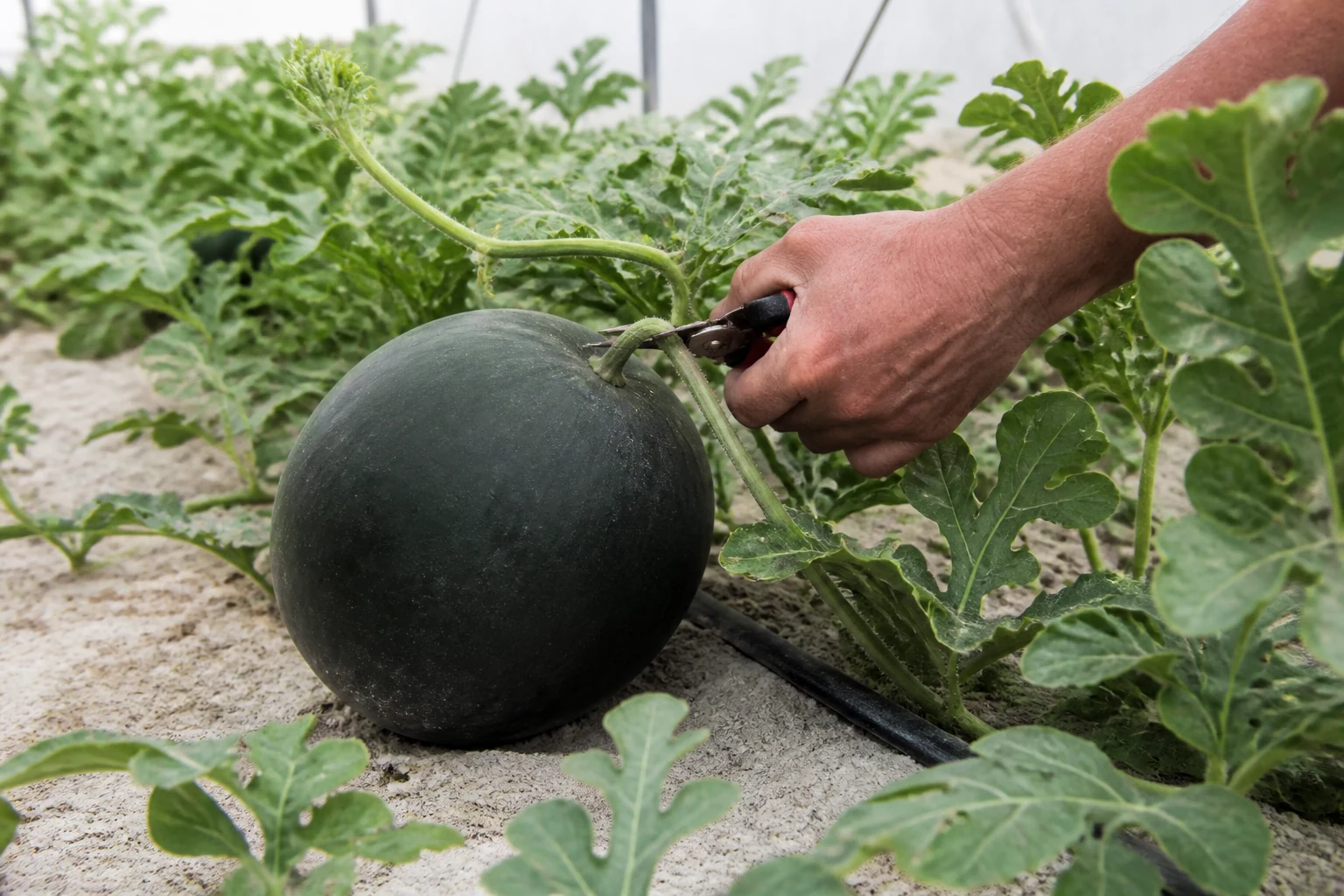
Harvested in spring under cover, Almería's watermelon gets ahead of the European midsummer. Black seedless, mini or striped, it ripens close to the sandy soil before a still largely manual harvest.
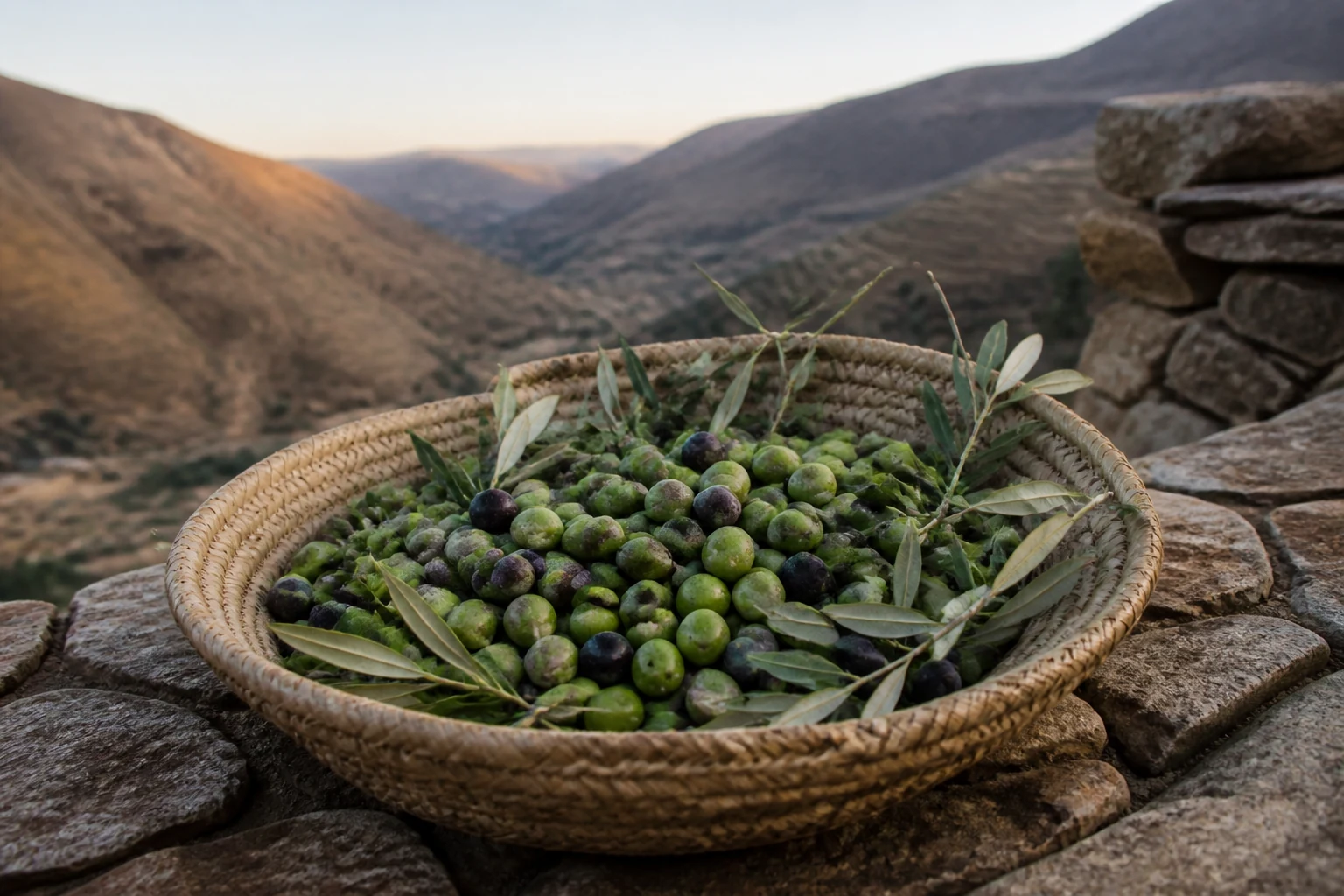
On the dry terraces of the Andarax and the Almerian Alpujarra, the olive feeds the mills of Canjáyar. Picual, arbequina and local varieties yield honest oils and table olives.
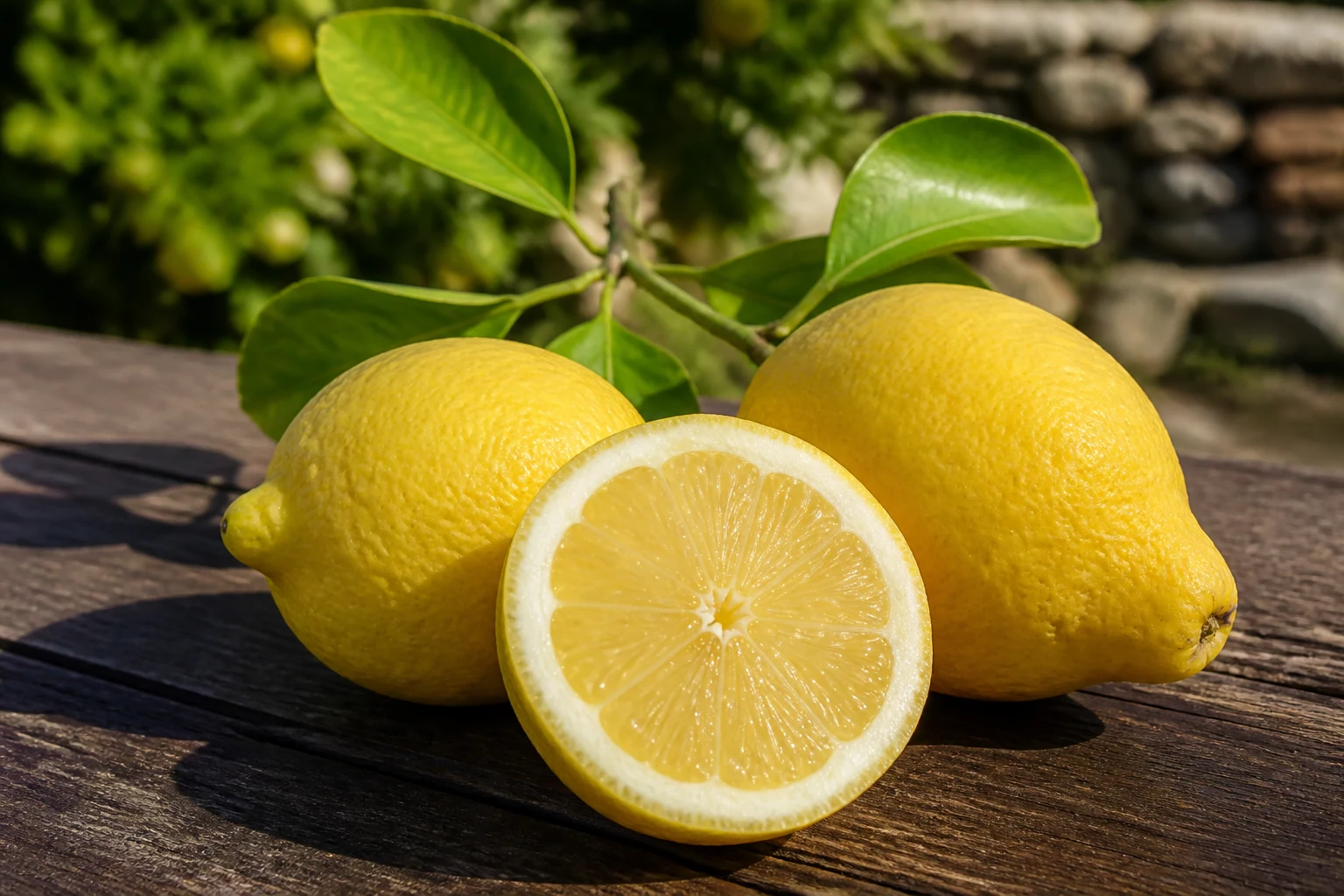
Two harvests hand over almost all year round: Fino opens the season in autumn and Verna stretches it into summer. The Andarax grows lemons, but the provincial bulk sits in the Almanzora valley.
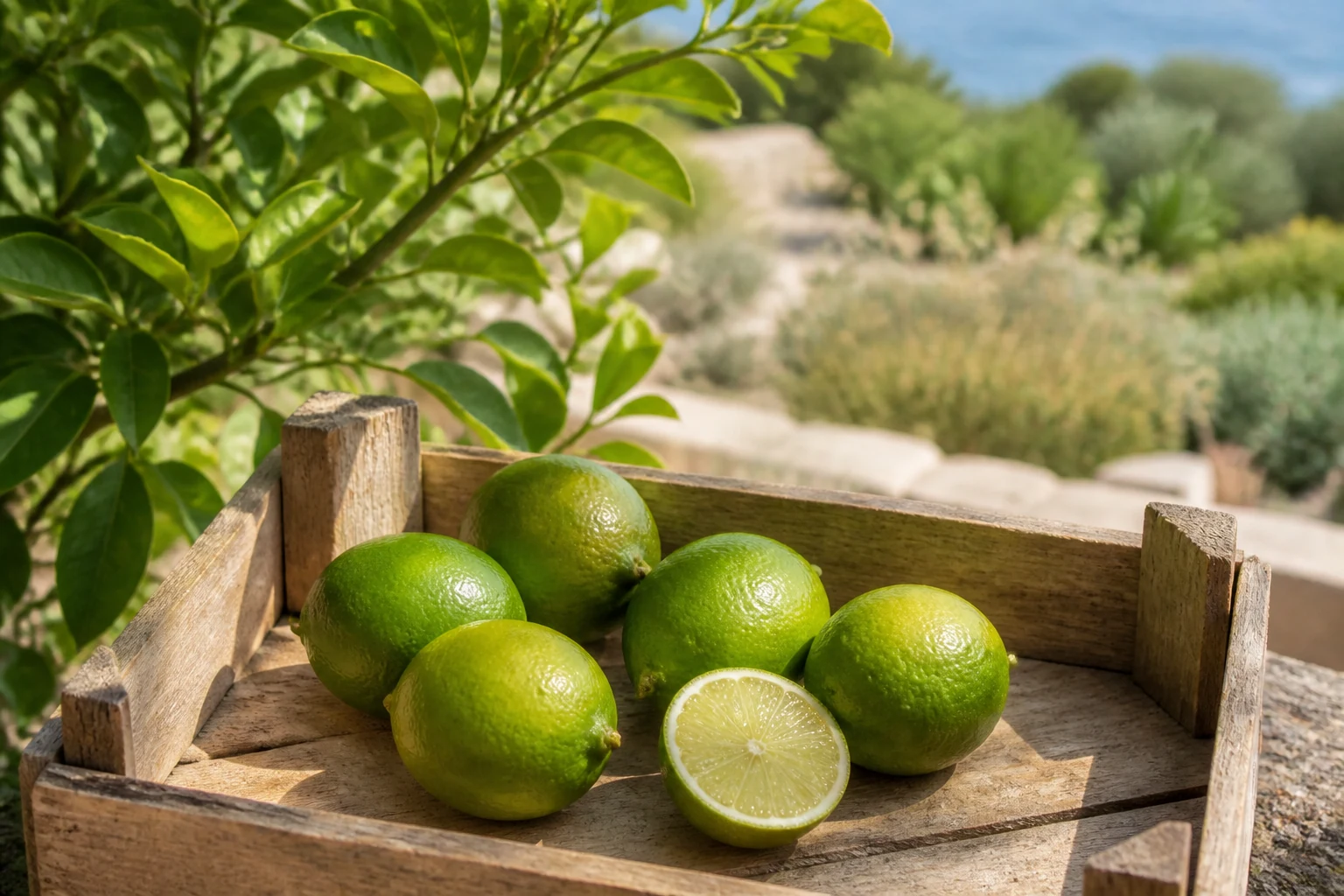
Still marginal in the province, the lime shows up on a few farms in southern Spain. The Tahiti lime — oval, smooth and nearly seedless — is its best-documented reference.
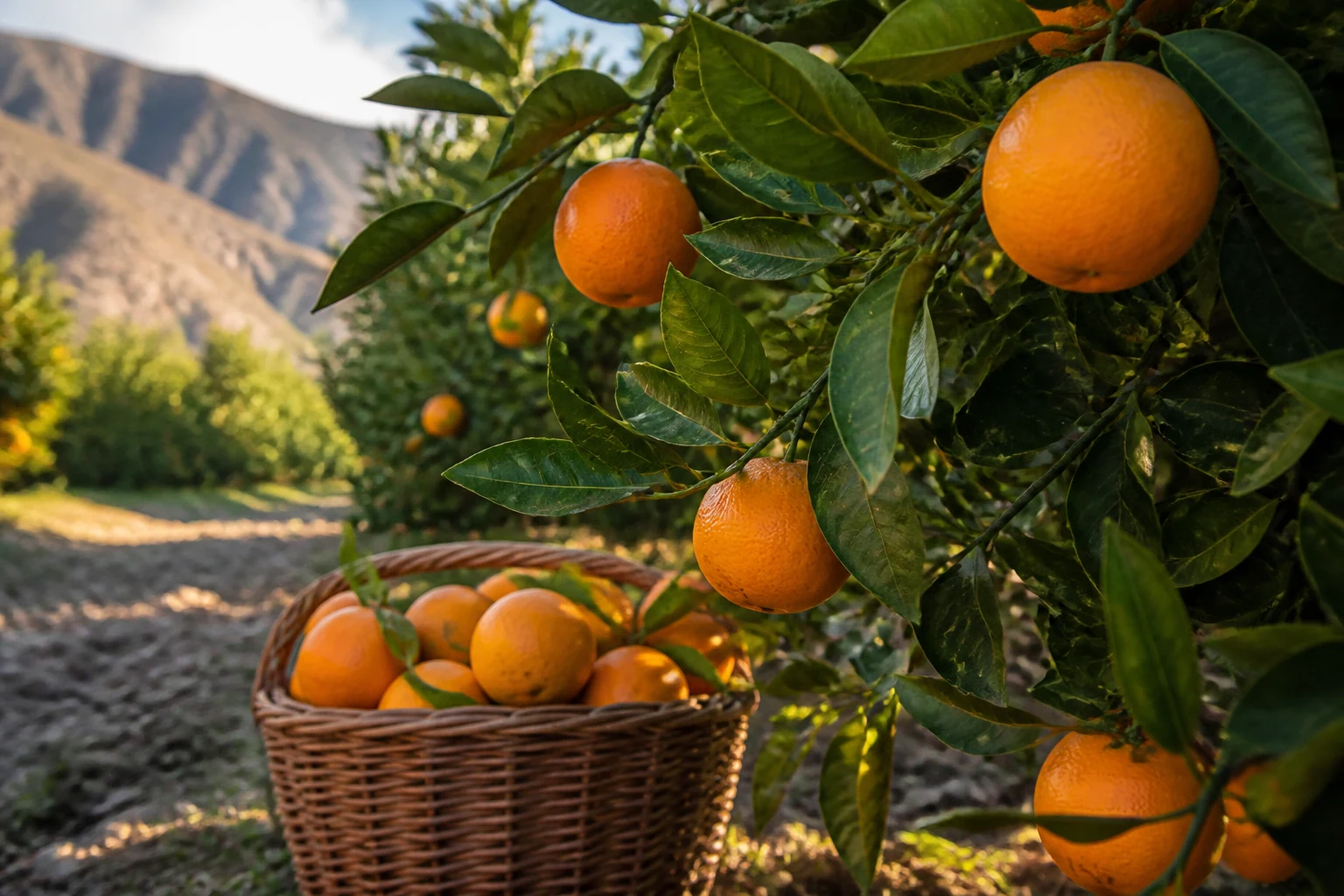
In the Bajo Andarax, orange trees form a green ribbon at the foot of the dry hills. Gádor has grown that identity for some 150 years; Alhama shares the valley's citrus history.
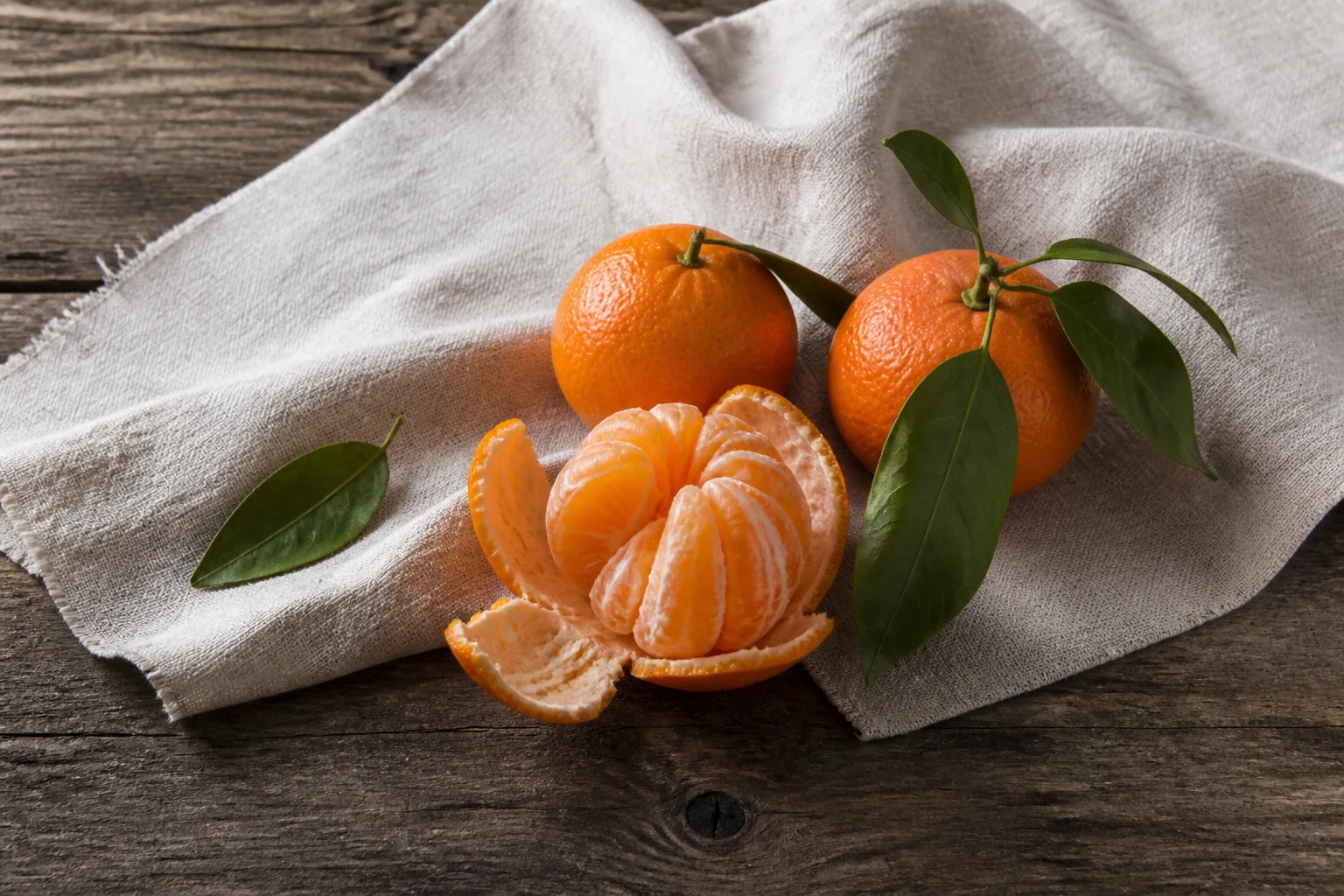
Small, easy to peel and nearly seedless, the clementine keeps the Almerian winter company. The province counts in Andalusian mandarins, and IFAPA has trialled the Clementina de Nules on its coast.
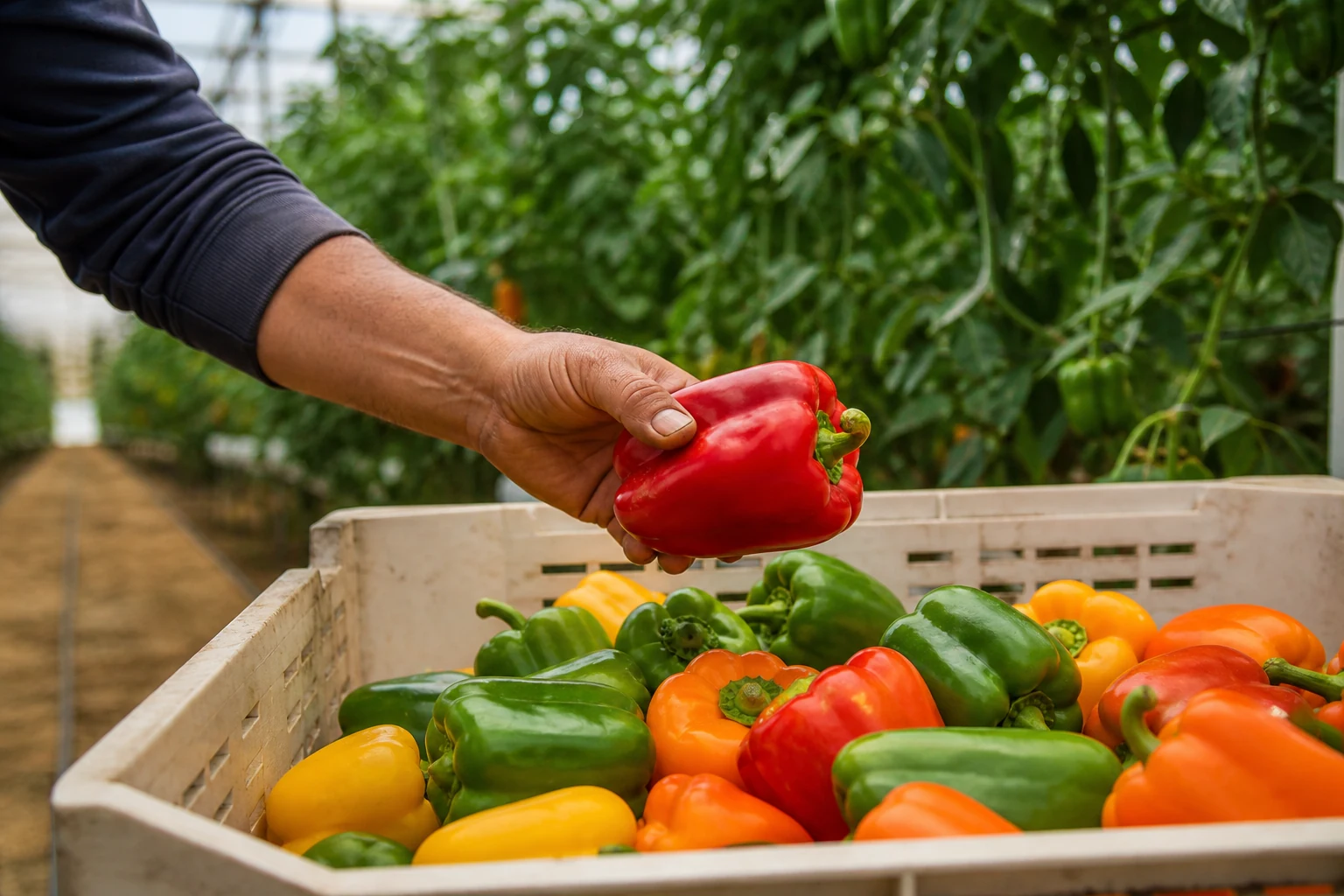
Almería's leading protected crop by area, volume and value, the pepper ranges from colourful Californias to the slender Italiano and the fleshy Lamuyo, all picked by hand under plastic.
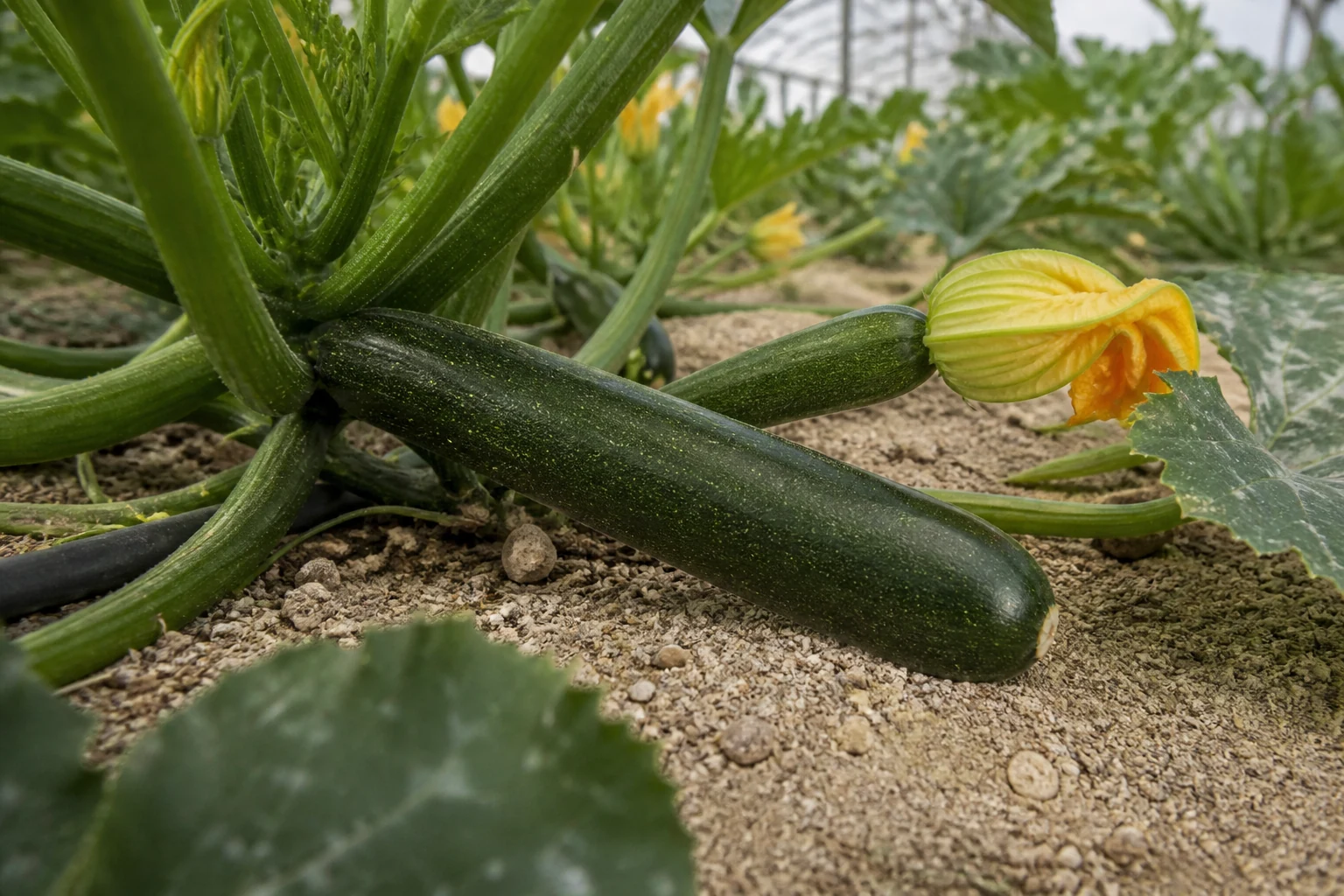
Long, cylindrical and green, the courgette all but owns its segment under Almería's plastic. Its yellow blossom and matte skin tell of freshness better than any calibrated shelf.
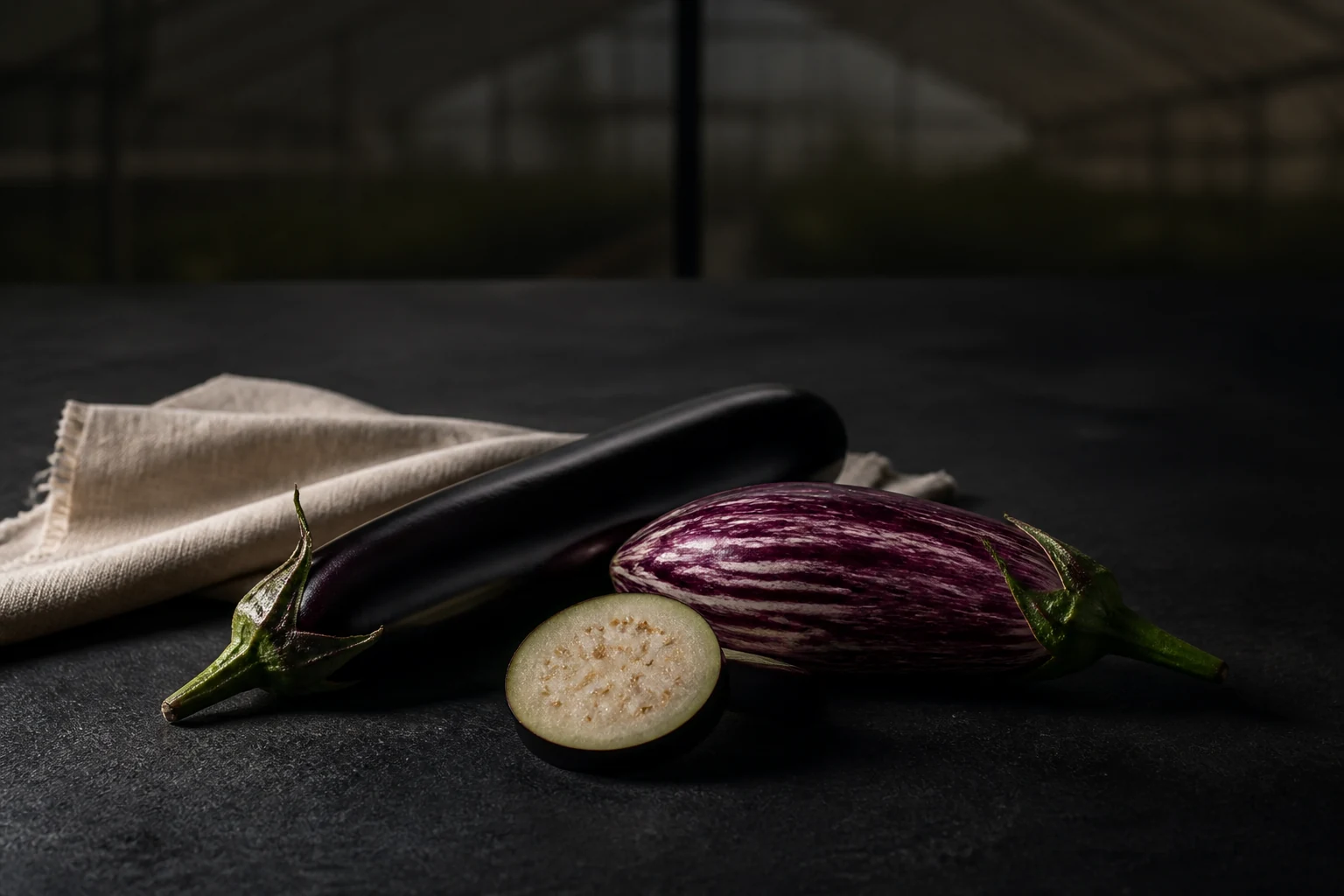
Black, elongated and almost glossy, or striped purple on white, the Almería aubergine is picked nearly all year round. Beneath the skin, its pale flesh keeps a dense, fresh texture.
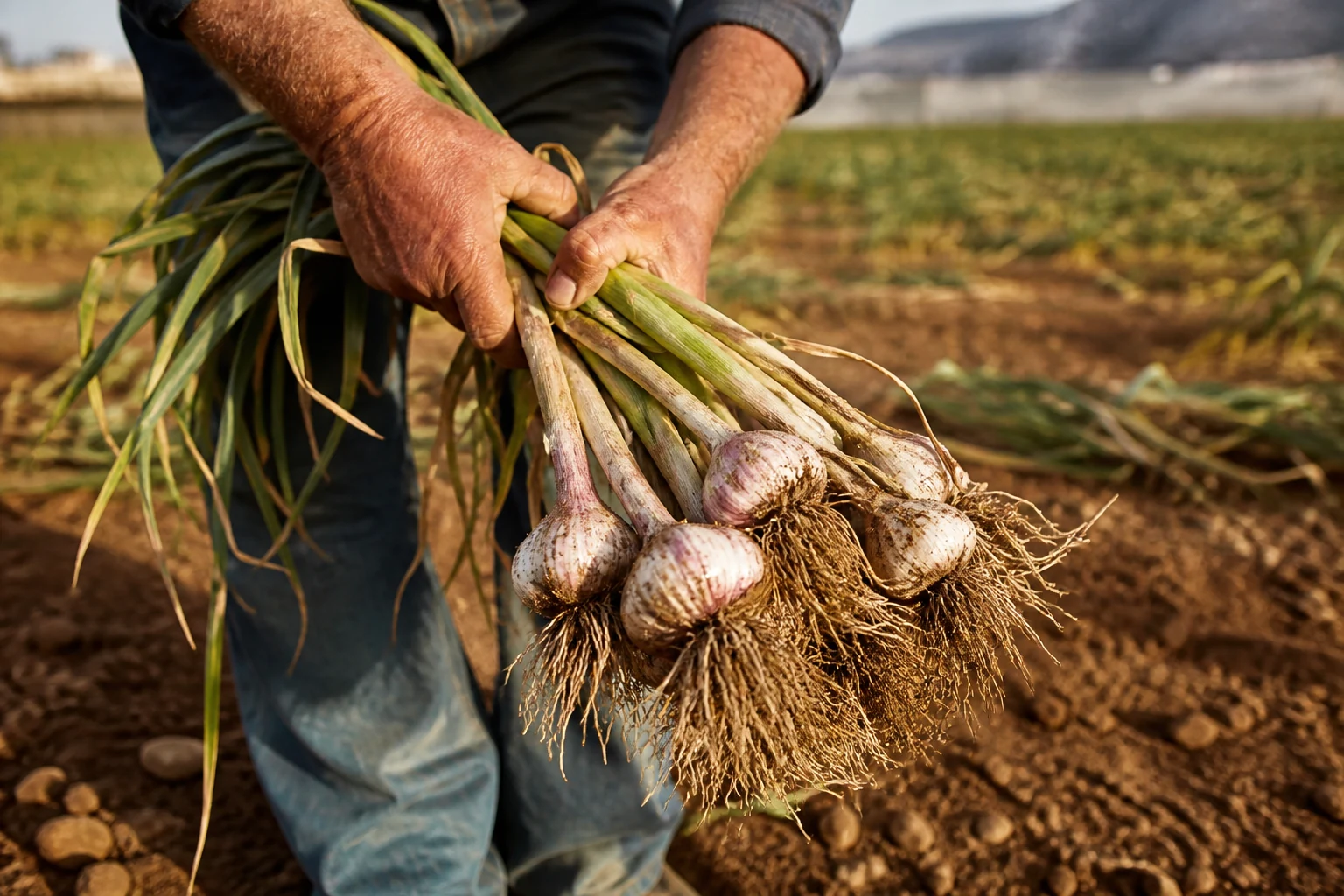
Harvested in early summer and dried with care, garlic gives Almería's kitchens a frank depth, from ajoblanco to stews — without being, in the fields, a major provincial speciality.
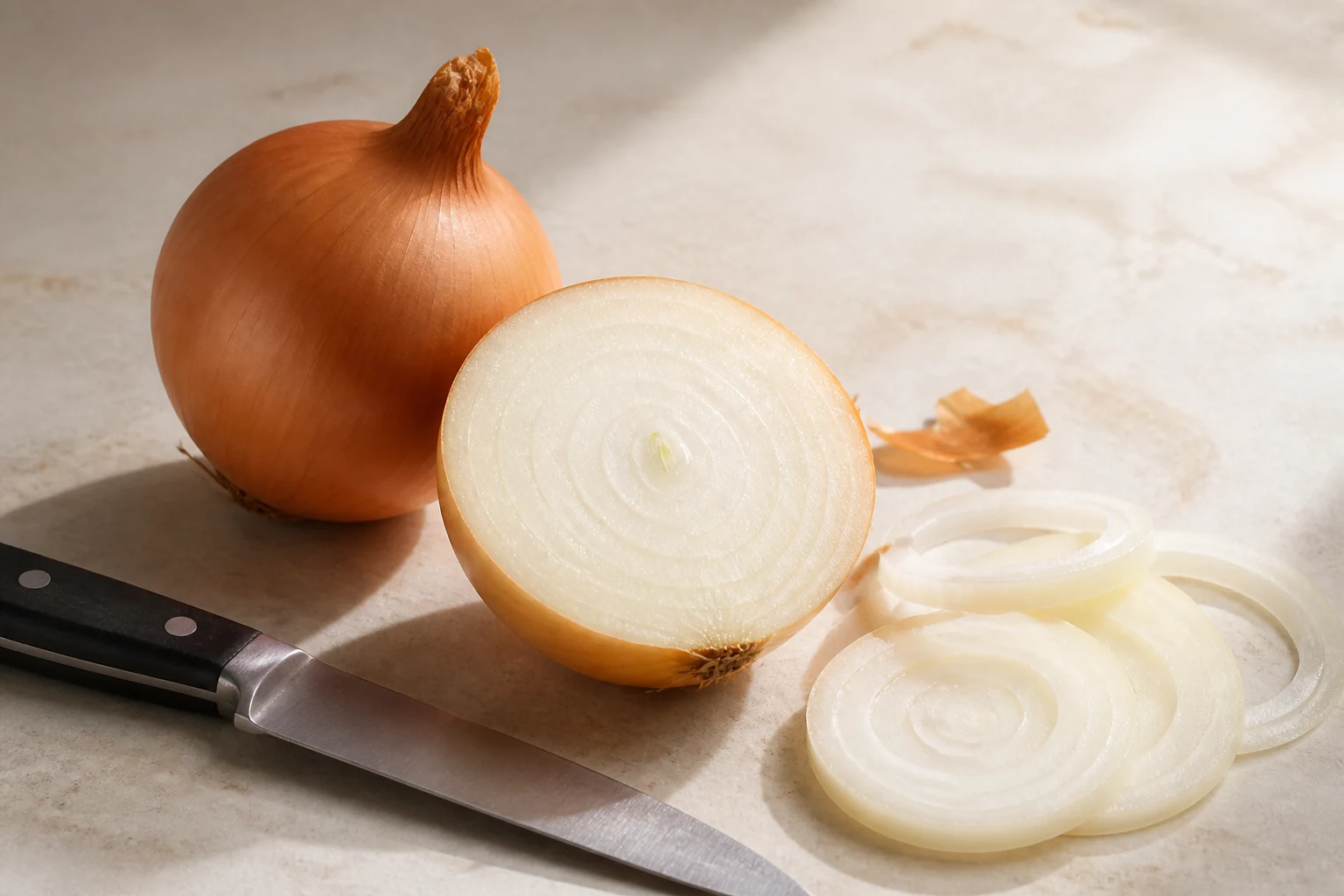
From early onions to storage types, this bulb structures sofritos, salads and stews. In Almería it is grown but remains secondary: its diversity is best told through seasons and the knife.
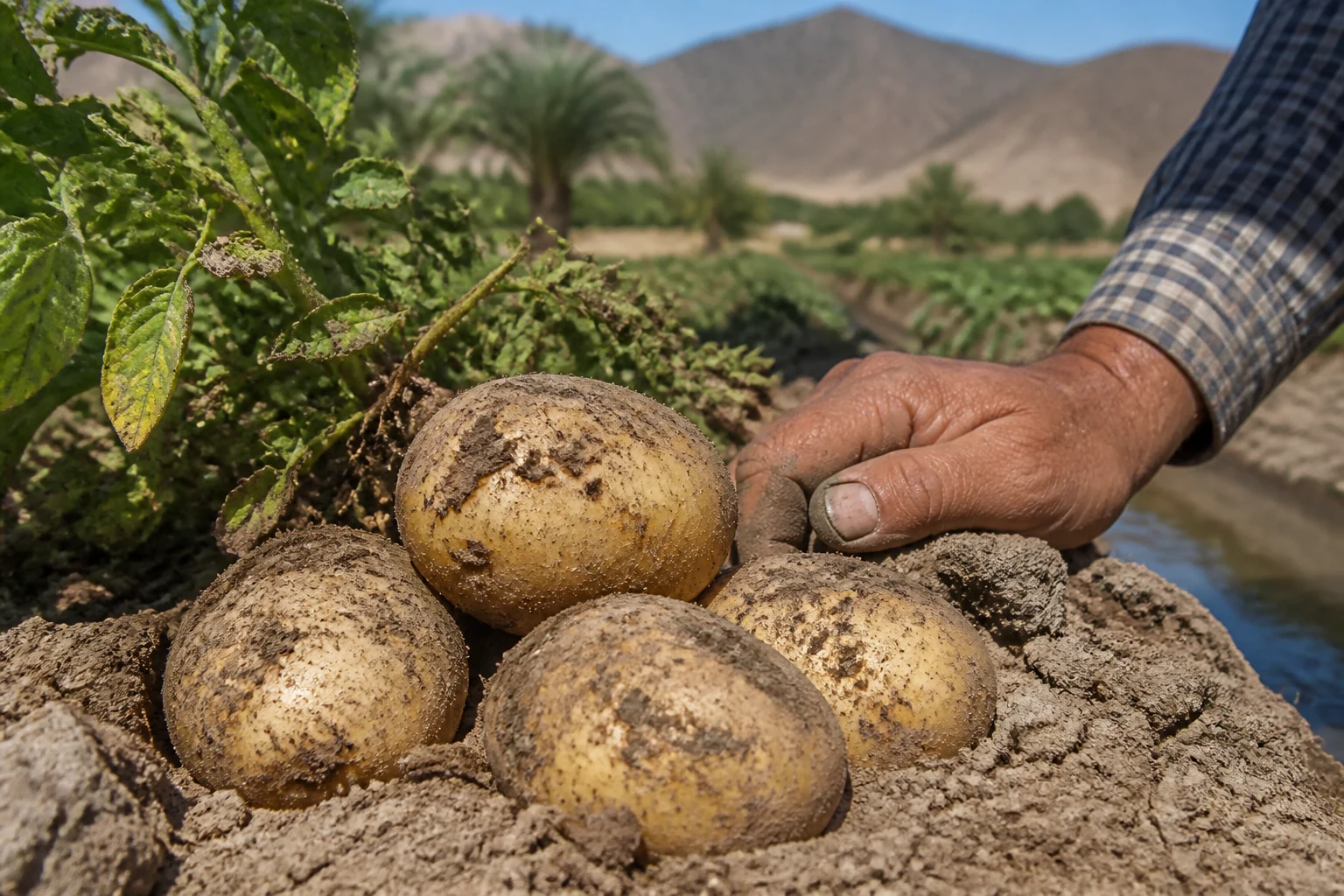
In the Andarax valley, the open-field potato keeps company with the irrigated vegas. In Huécija it ranks among the main herbaceous crops; at provincial scale, the early harvest is modest but well documented.
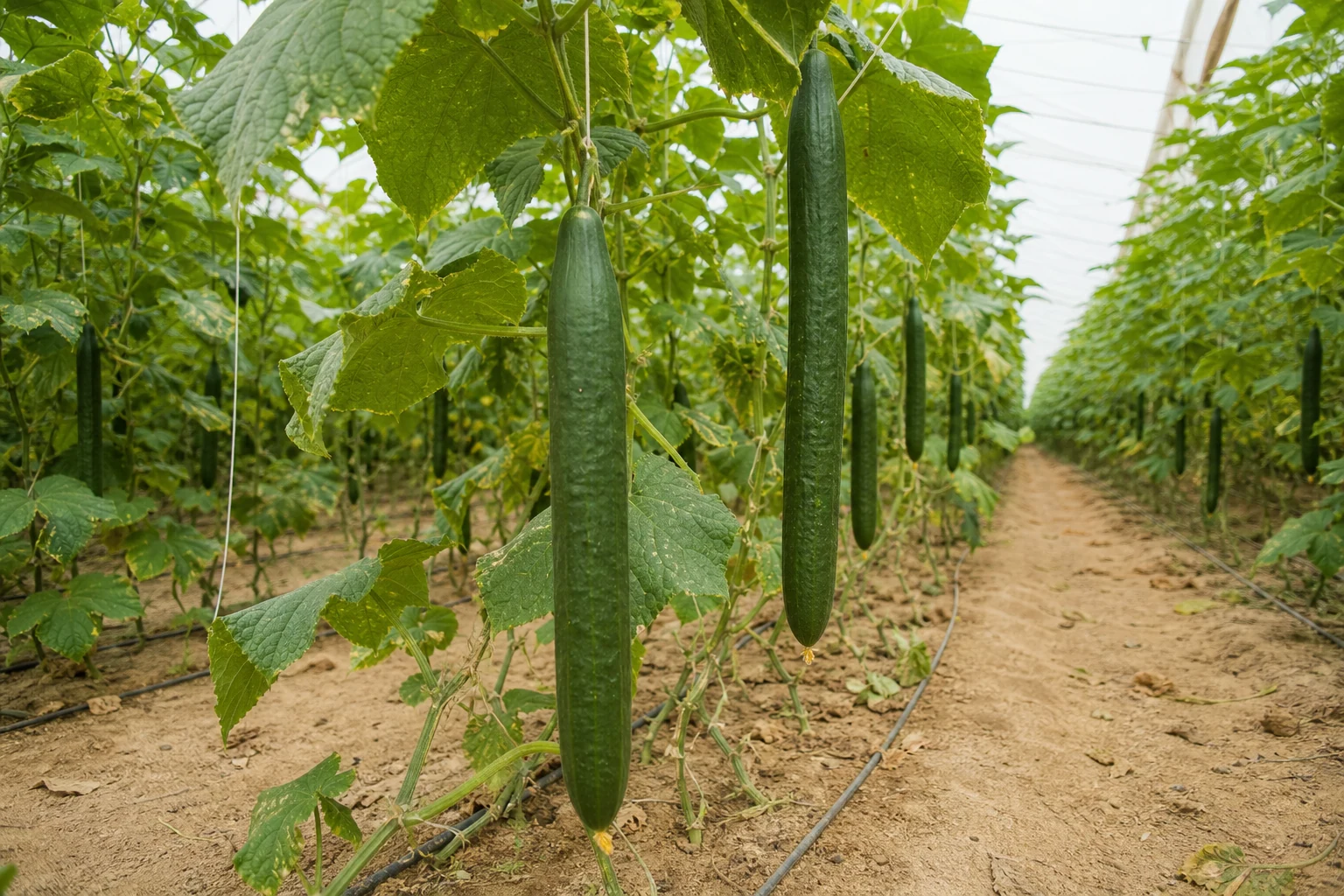
Long, straight and dark green, the Almería-type cucumber is made for trellised growing under plastic. When winter slows Europe's market gardens, here it is cut daily — crunchy and thin-skinned.
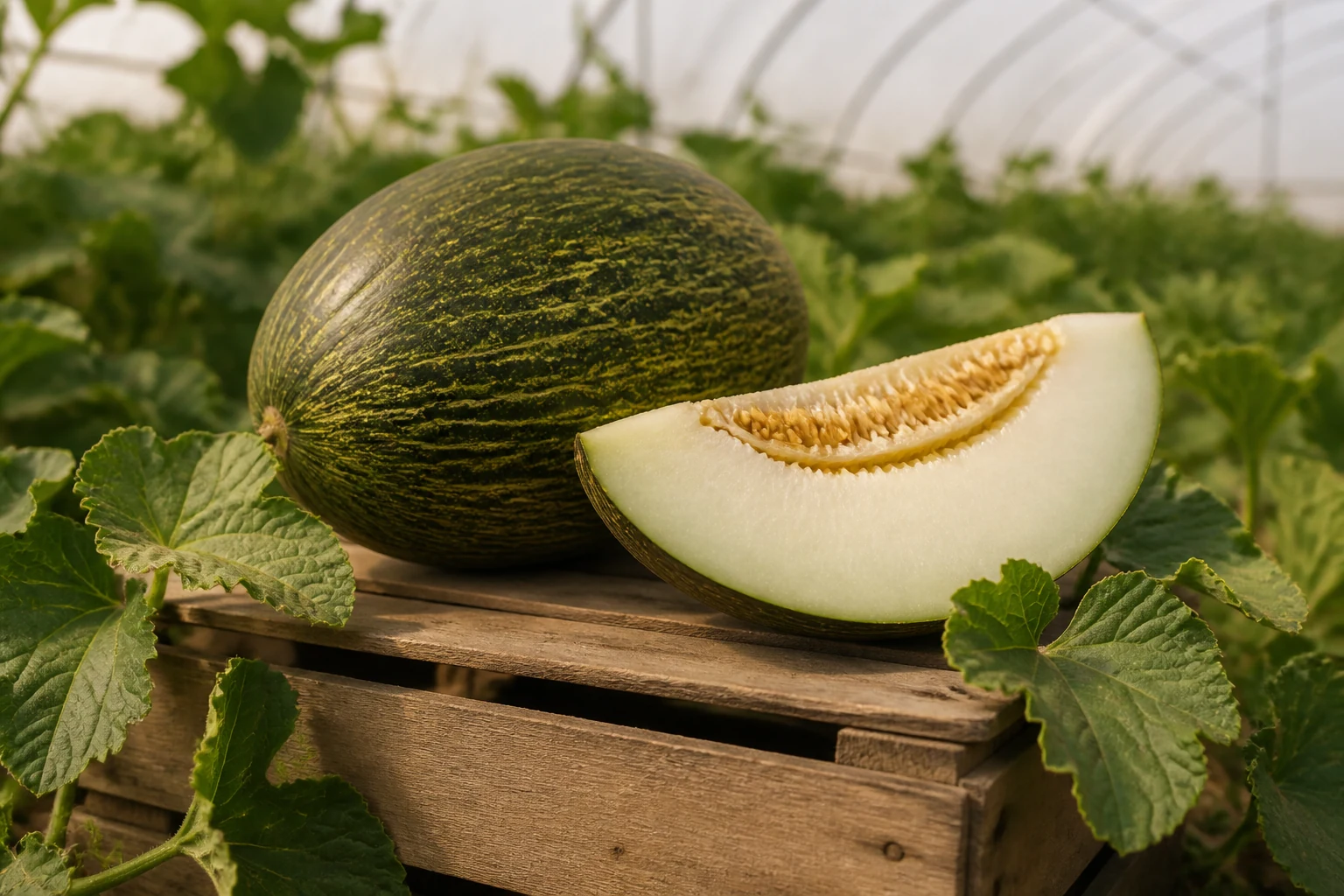
One fruit, five faces: white, yellow, galia, cantaloupe and piel de sapo. The under-plastic campaign opens the Spanish season in spring, with the bulk of sales in May.
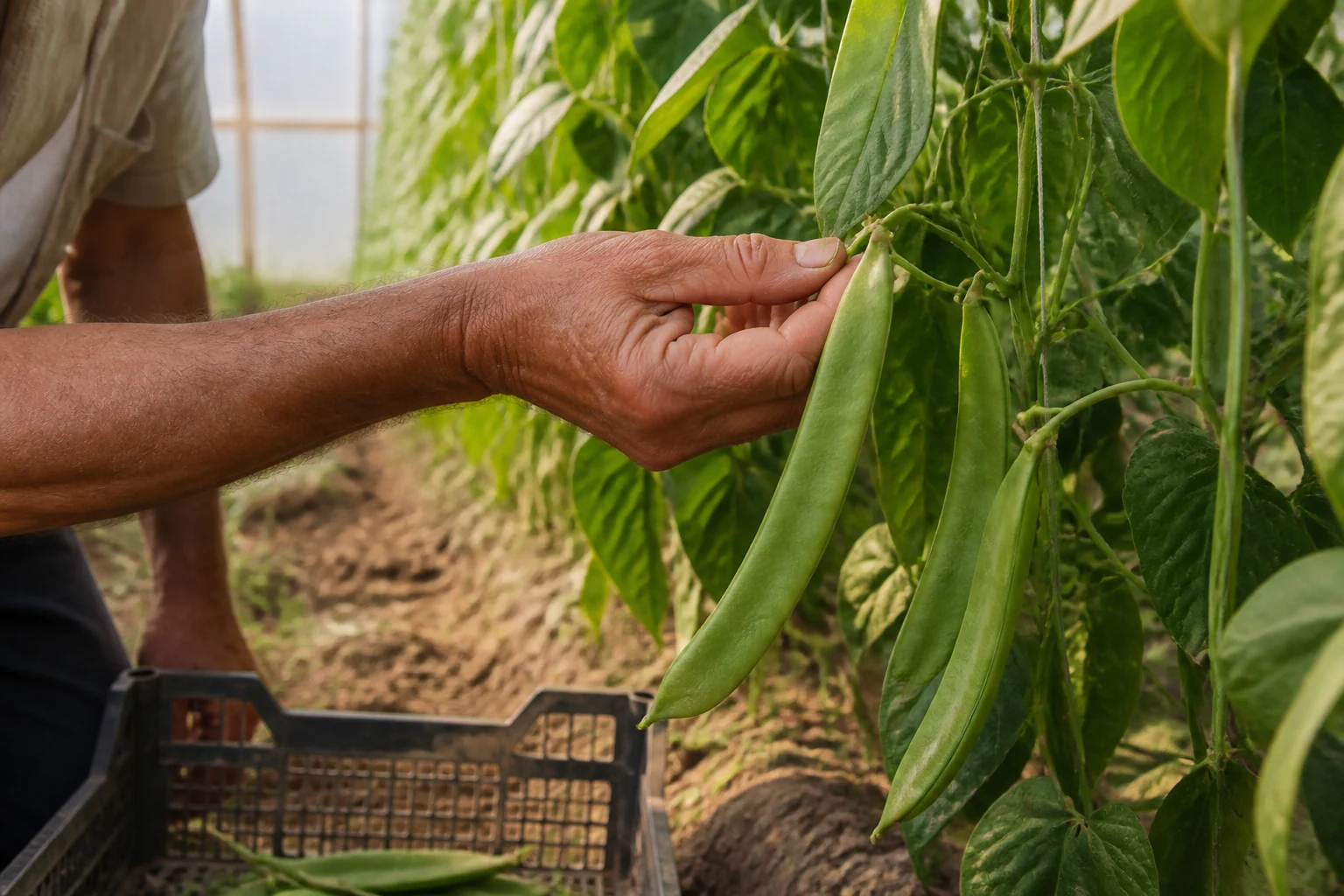
It was one of the huerta's great crops and is now almost a rarity: 159 hectares in the 2024/2025 season. Flat or round, it is picked pod by pod, by hand — and the price tells the story.
The nickname comes from the sheer scale of the landscape, photographed by the Landsat 9 satellite around El Ejido. Beneath the whitened roofs, the model relies on farming holdings, drip irrigation, fertigation and a growing use of beneficial insects: the Junta de Andalucía counted 29,519 hectares grown under biological pest control in the 2024/25 season. That capacity for innovation does not erase the tensions of a semi-arid region — pressure on aquifers, nitrates, water management and end-of-life plastics: rather, it invites telling achievements, progress and limits together, without postcard gloss or summary judgement. The white covers even alter the local albedo: a study at the University of Almería observed a localised cooling over the greenhouse area, a regional climate phenomenon that should not be mistaken for a global answer to warming.
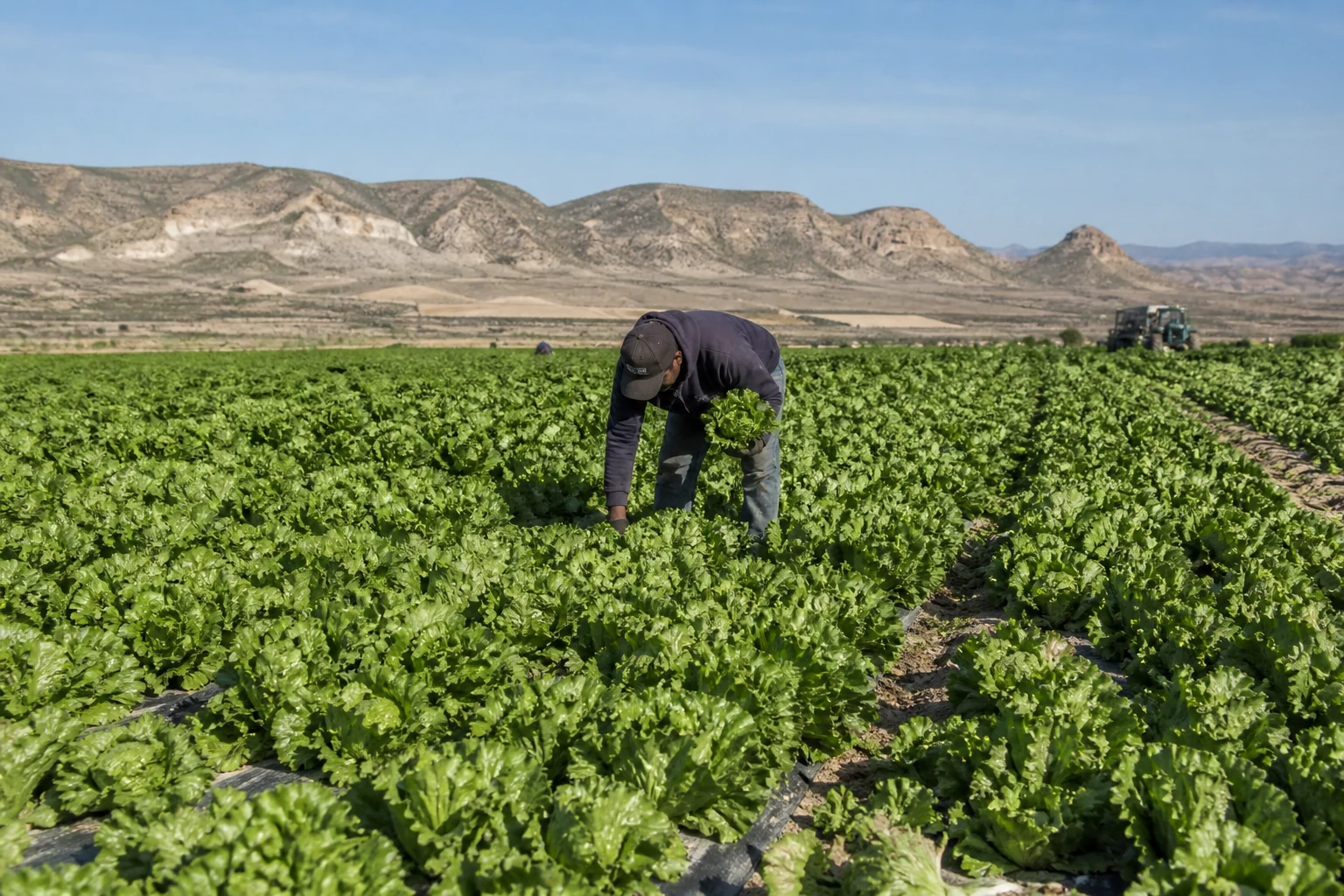
In Almería's Levante, around Pulpí and the Bajo Almanzora, open-field lettuce makes the most of the cool months: regular rows delivering crisp leaves in the depths of winter.
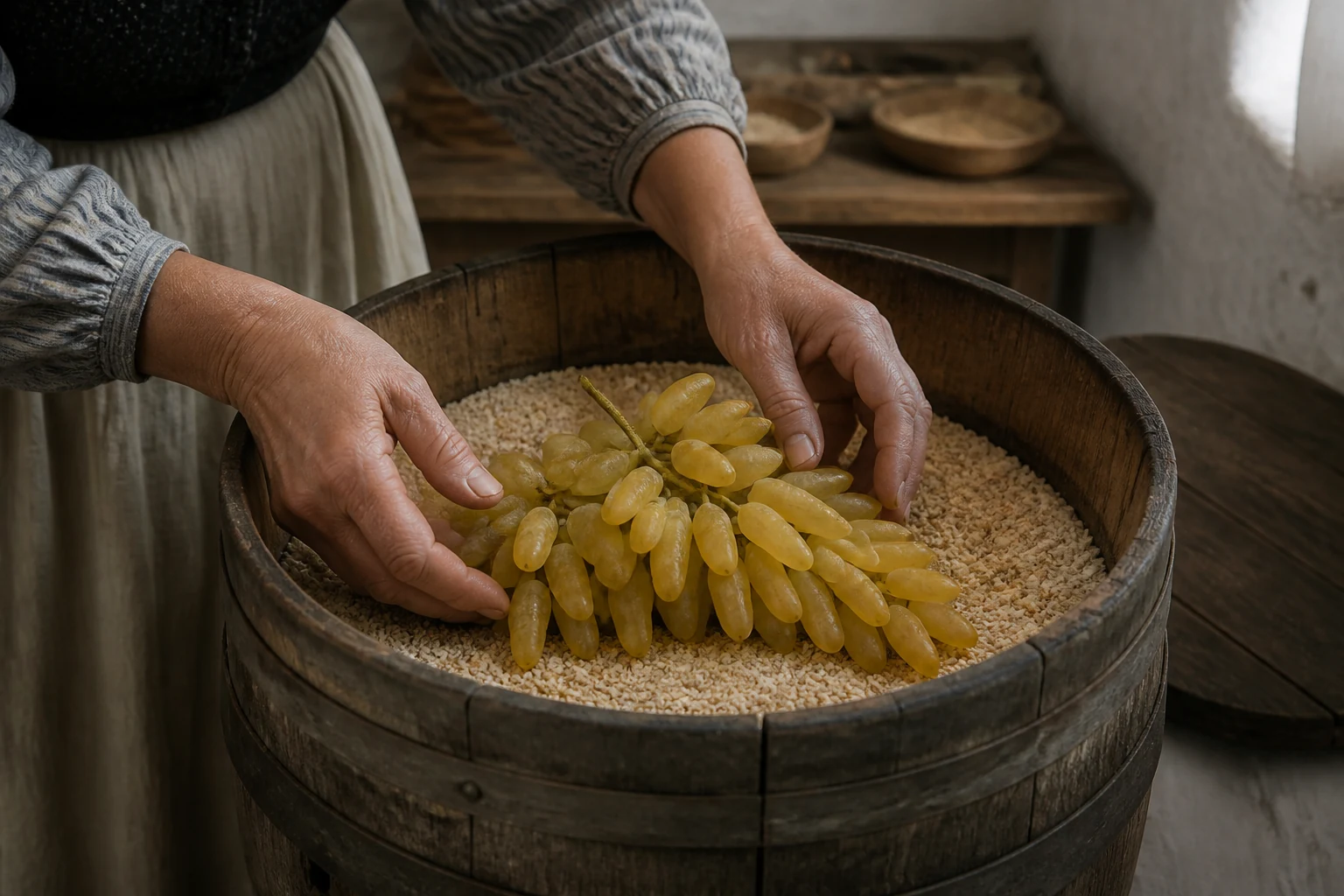
In Alhama, the Ohanes grape was grown under parrales, packed in barrels on fine sawdust and shipped across the seas for a century — hence its name. That heritage, now almost gone, is being safeguarded vine by vine.
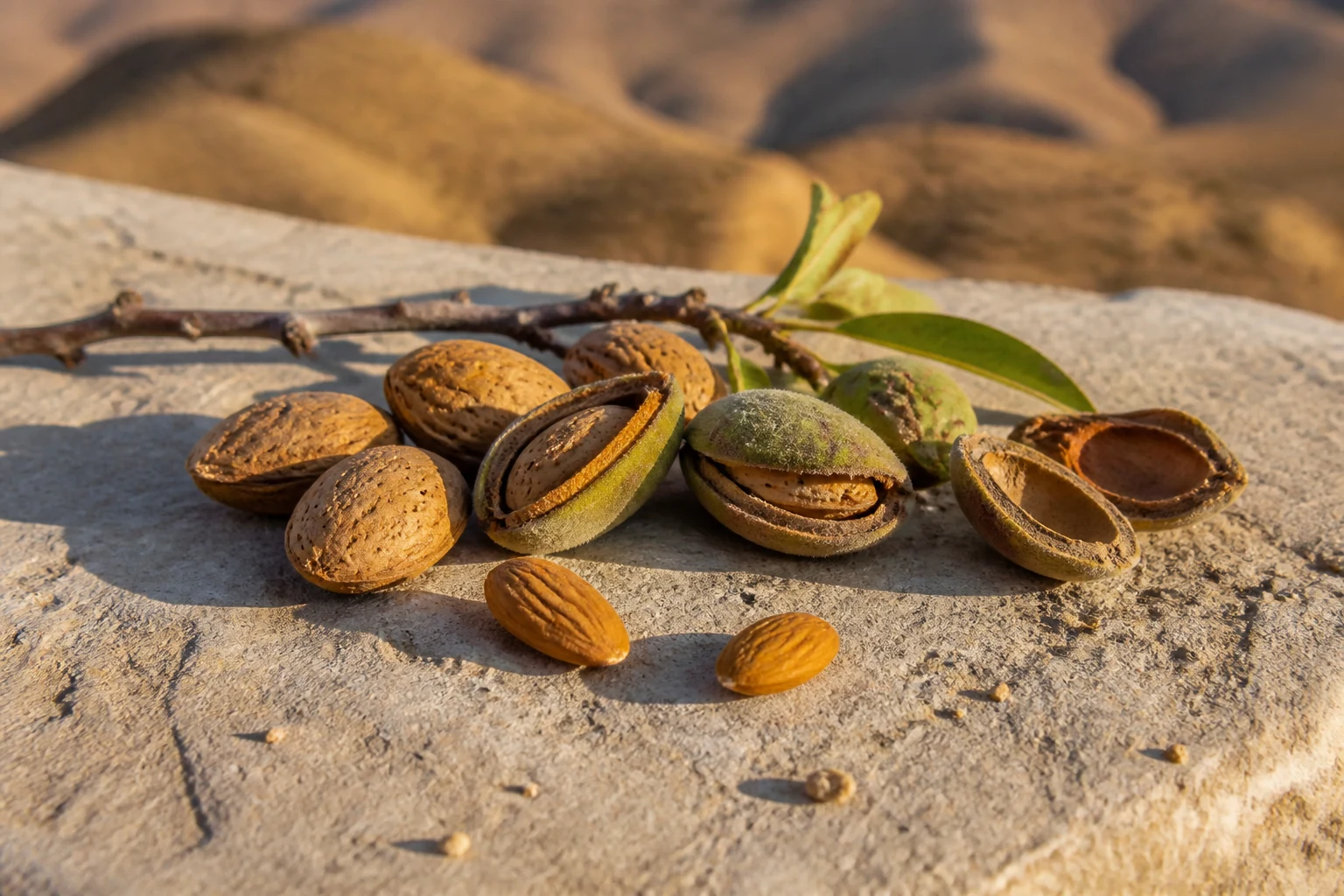
The tree of the Andarax slopes and the Sierra de Gádor, dressing the Alpujarra in white in late January. In Alhama, the Los Frailes archives document its arrival on the old terraced plots.
An open-field crop of Almería's Levante, sharing the cool season with lettuce and cauliflower. Sown in the heat, cut in the cold — before the head opens its buds.
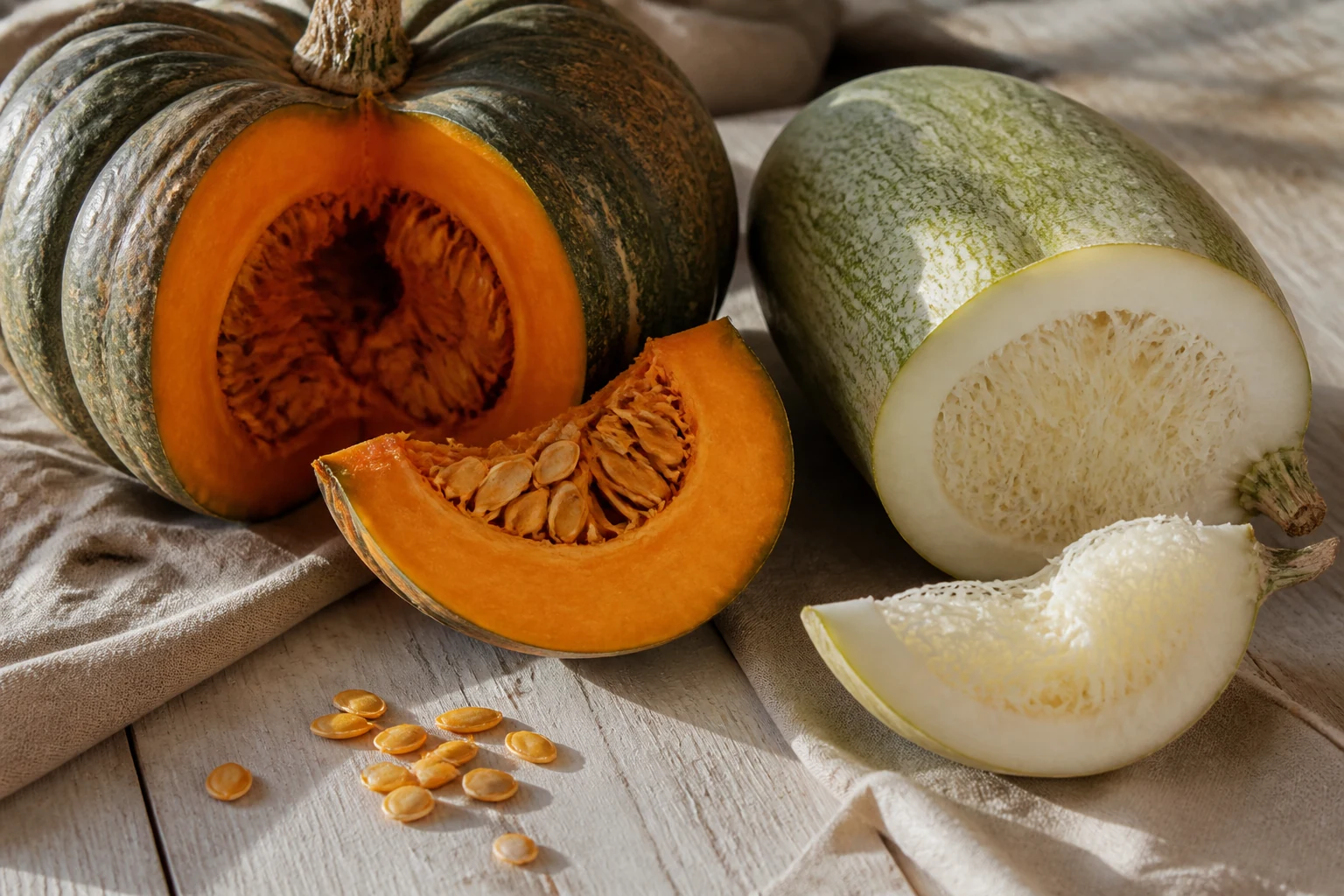
Planted in spring, harvested from summer into autumn, it keeps all winter in the pantry. From table pumpkins to the cidra behind cabello de ángel, each type plays its part — down to the stews of Alhama.
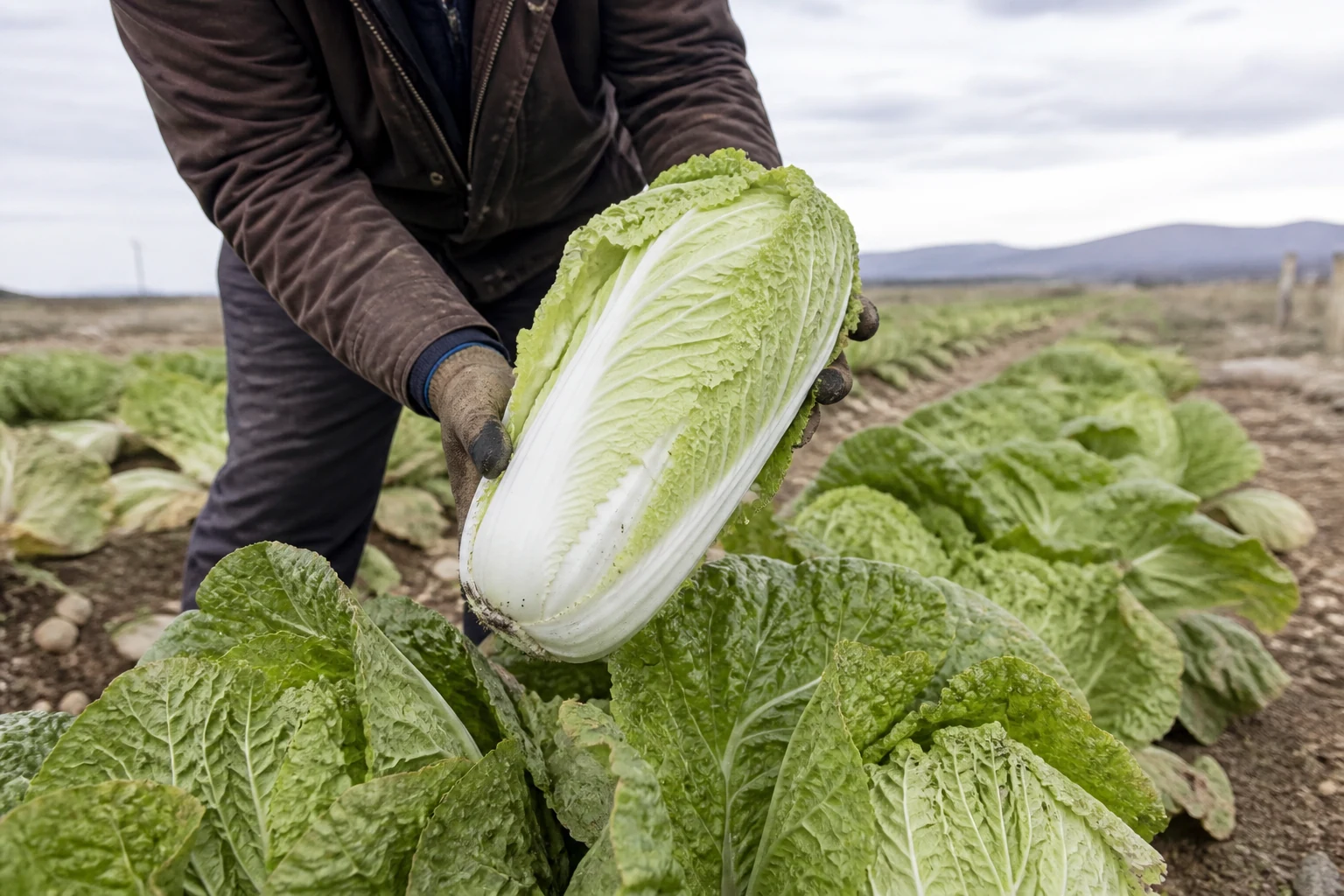
White and red cabbages alongside Chinese cabbage, in the open-field rotations of the Levante's cool season — and in interior villages such as Abla and Abrucena, where it is grown organically.
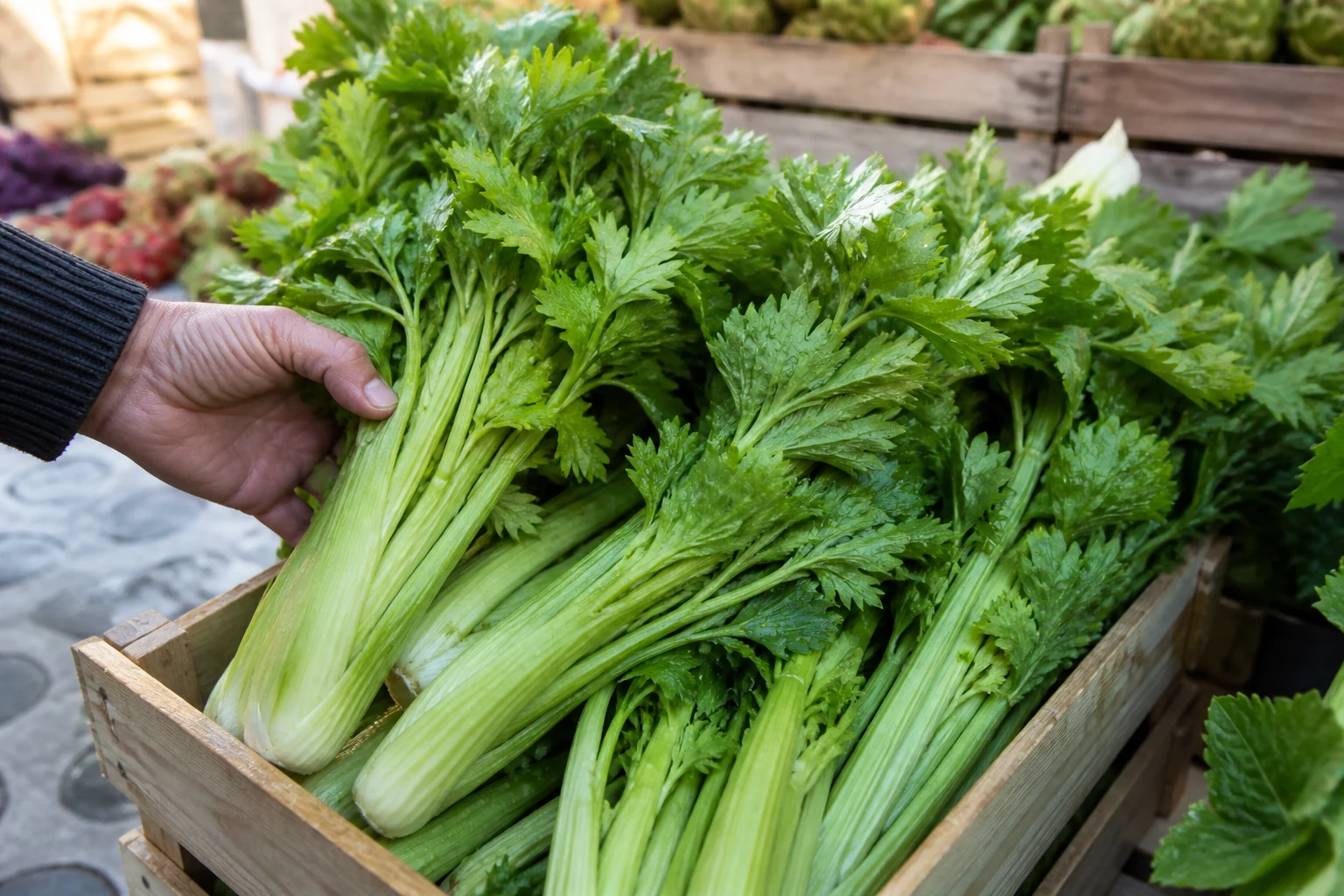
A cool-season crop of Almería's Levante, keeping company with lettuce and cabbages. It arrives in crunchy, leafy bunches — vegetable freshness for stocks, stews and salads.
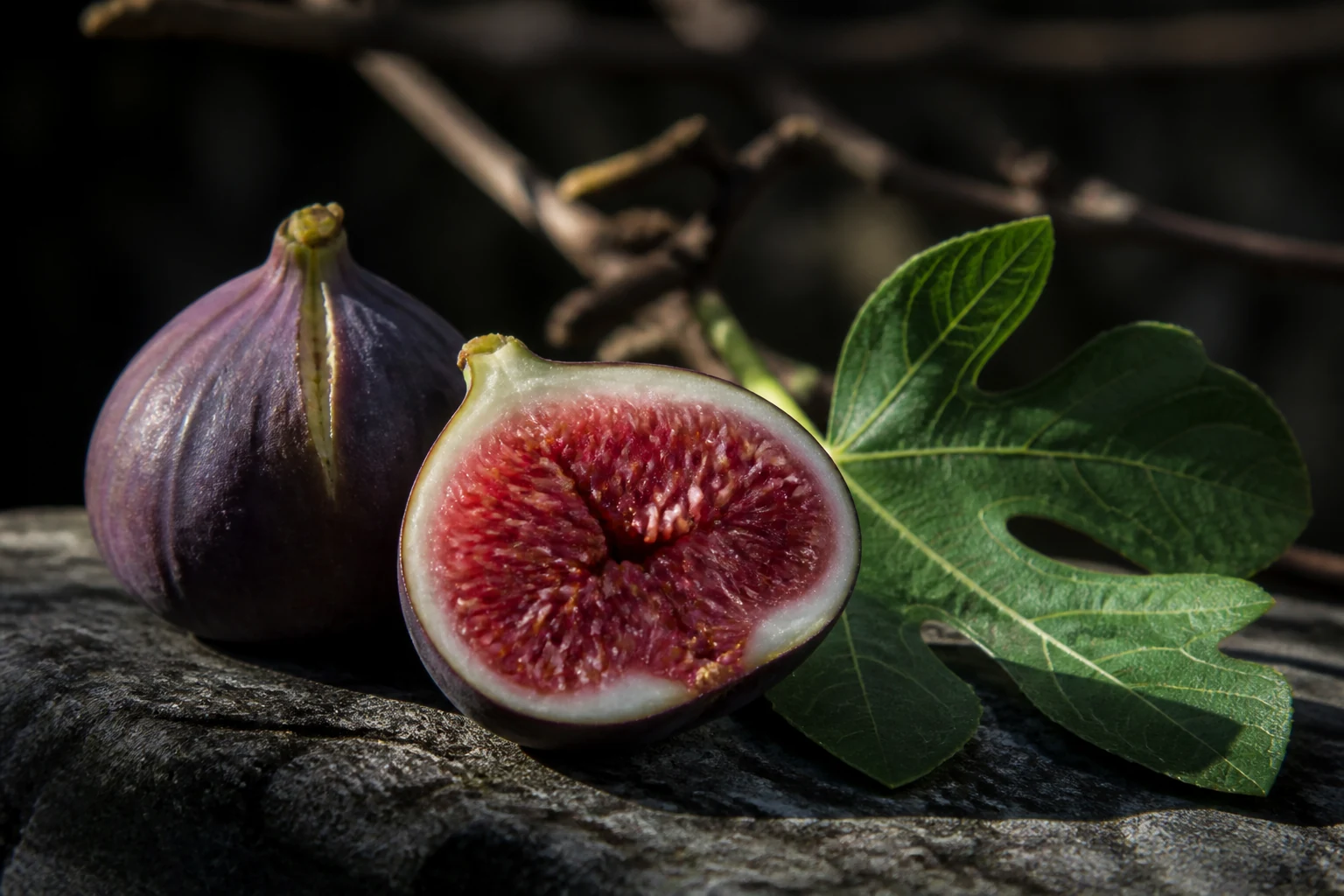
The fig tree is the Mediterranean dryland tree par excellence, planted by cortijos and stone walls. It gives brevas in early summer and figs at its end — a diffuse tradition of the Almerian Alpujarra.
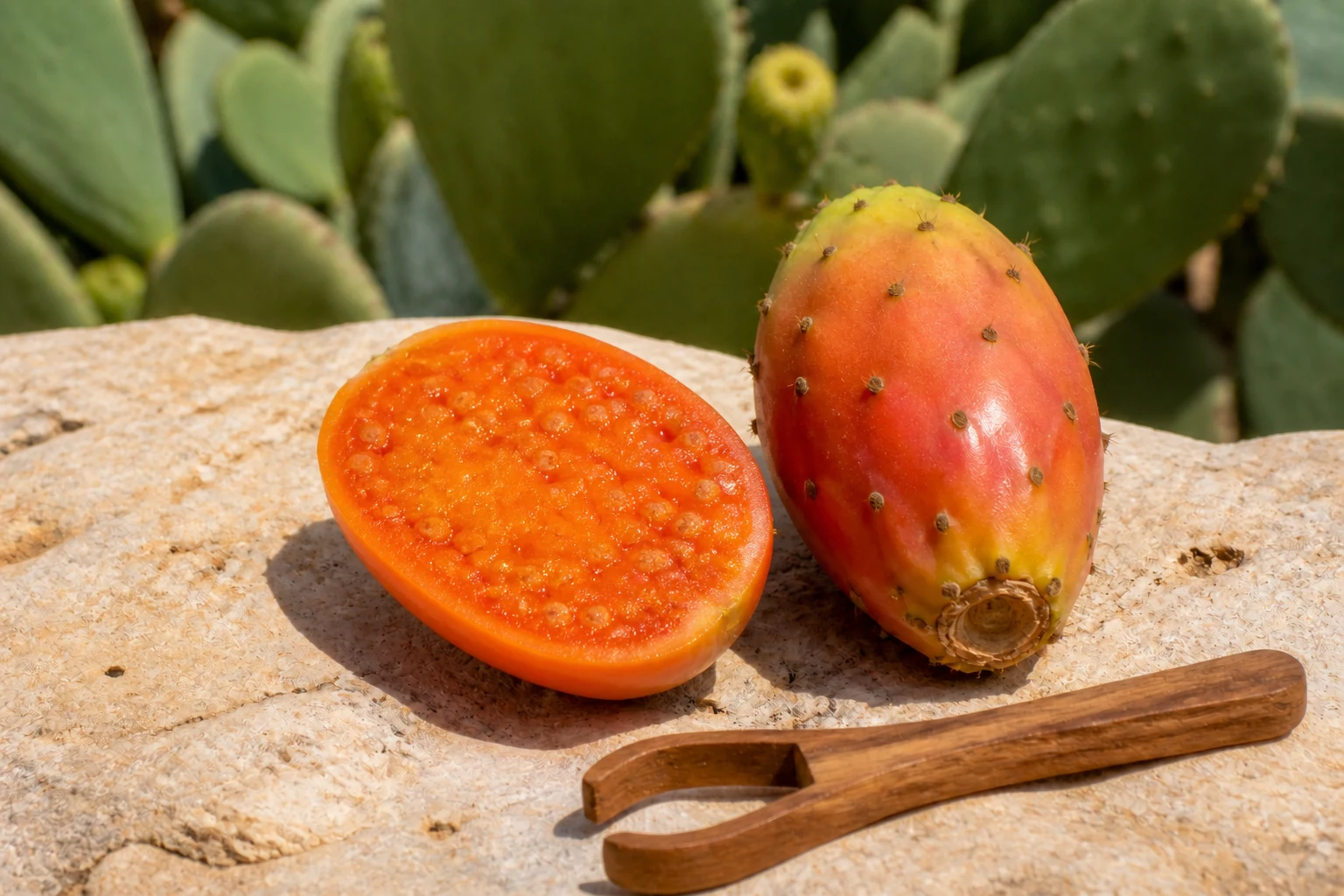
The fruit of the prickly pear, the cactus that came from the Americas and naturalised along Almería's paths and drylands. Eaten from July to October, well chilled and with due respect for its spines.
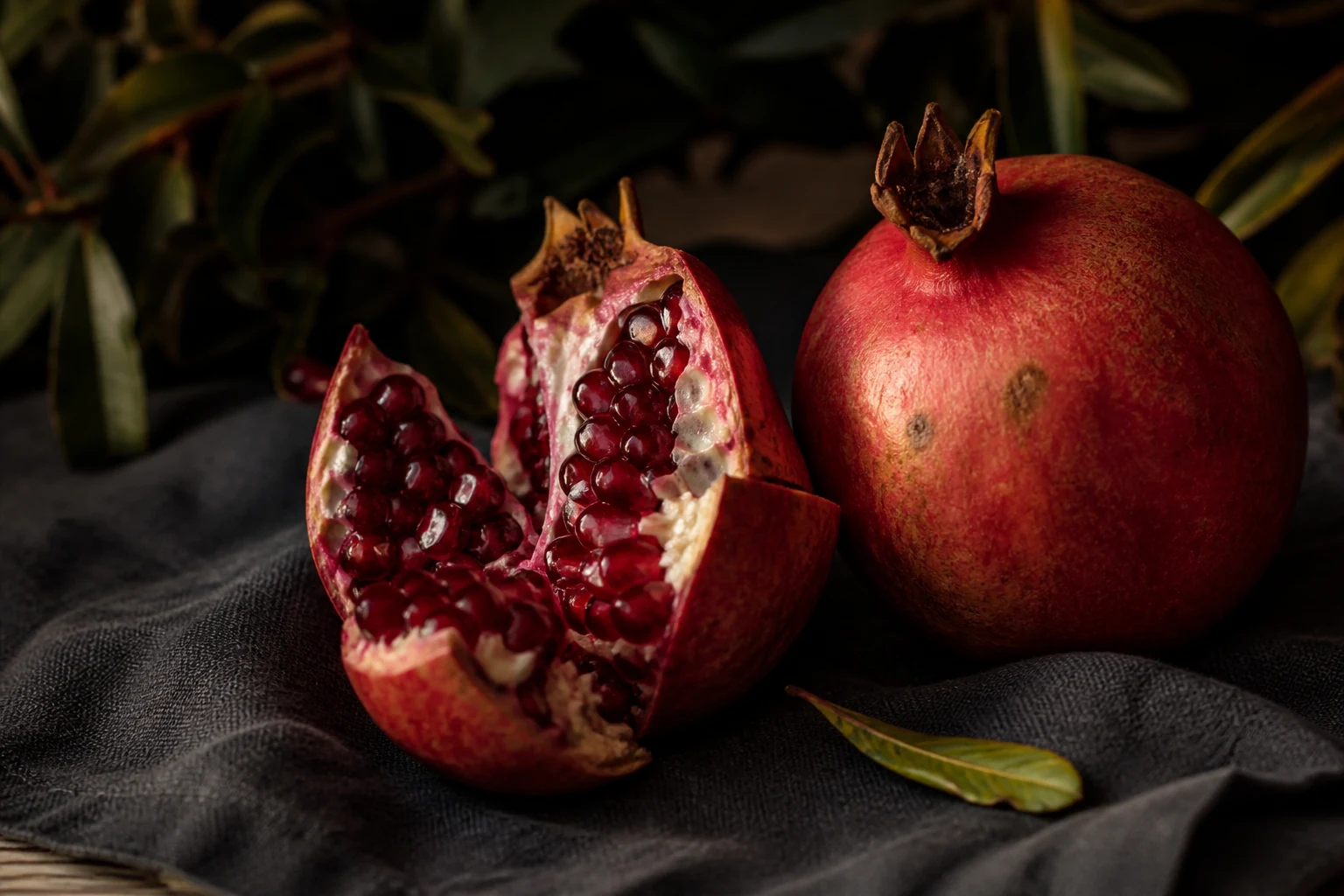
A tree made for this land: the pomegranate withstands drought better than cold and thrives in semi-desert climates. In Almería it is a fruit of family gardens and scattered plantings that opens the autumn.
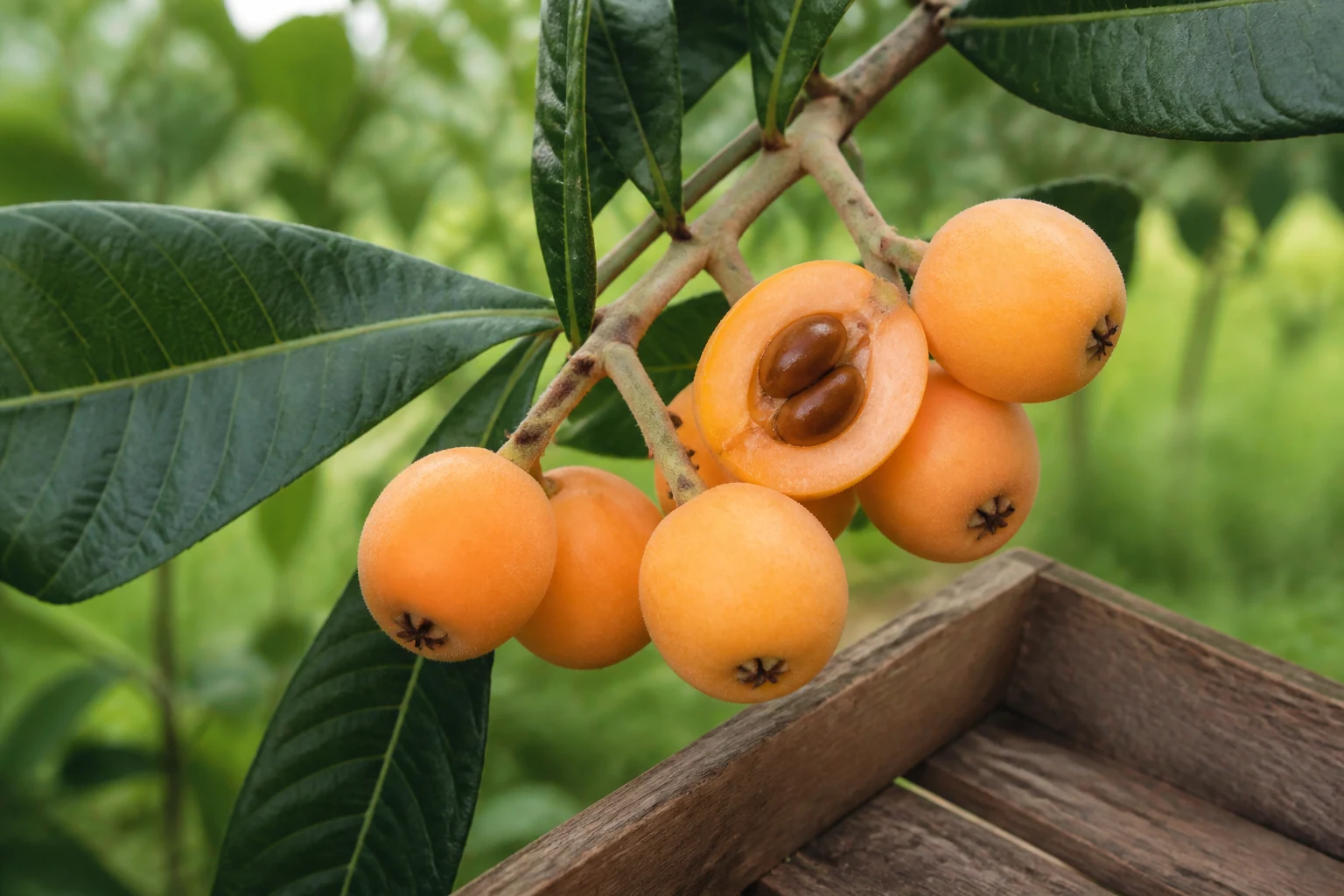
The earliest riser of the fruit calendar, picked over a few short weeks of spring. In Almería it is a very minor crop beside the great Andalusian orchards of Granada and Málaga.
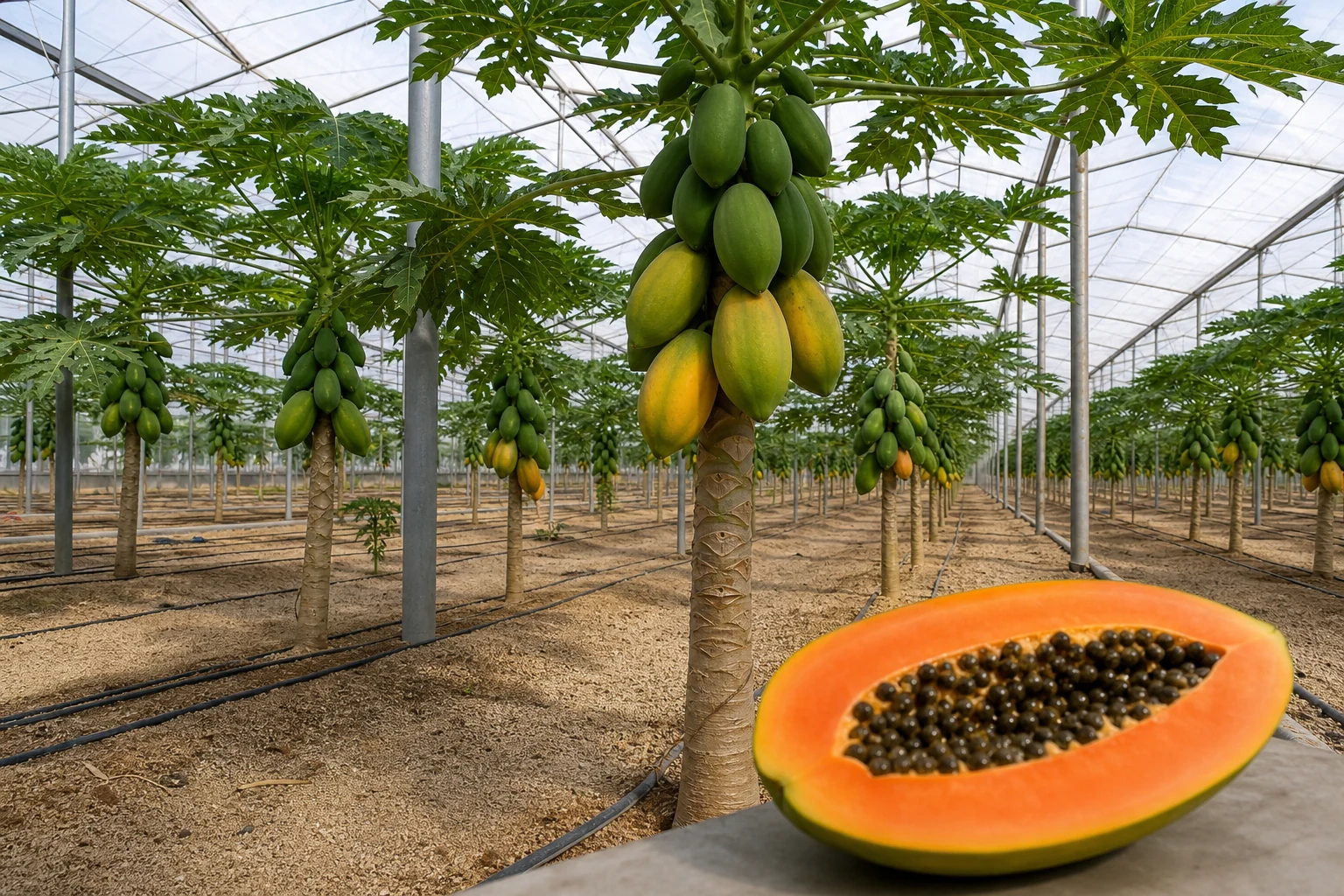
A strictly tropical fruit being trialled under Almería's plastic: tests at El Ejido and Retamar study varieties, structure height, yield and quality in a climate that is not its own.
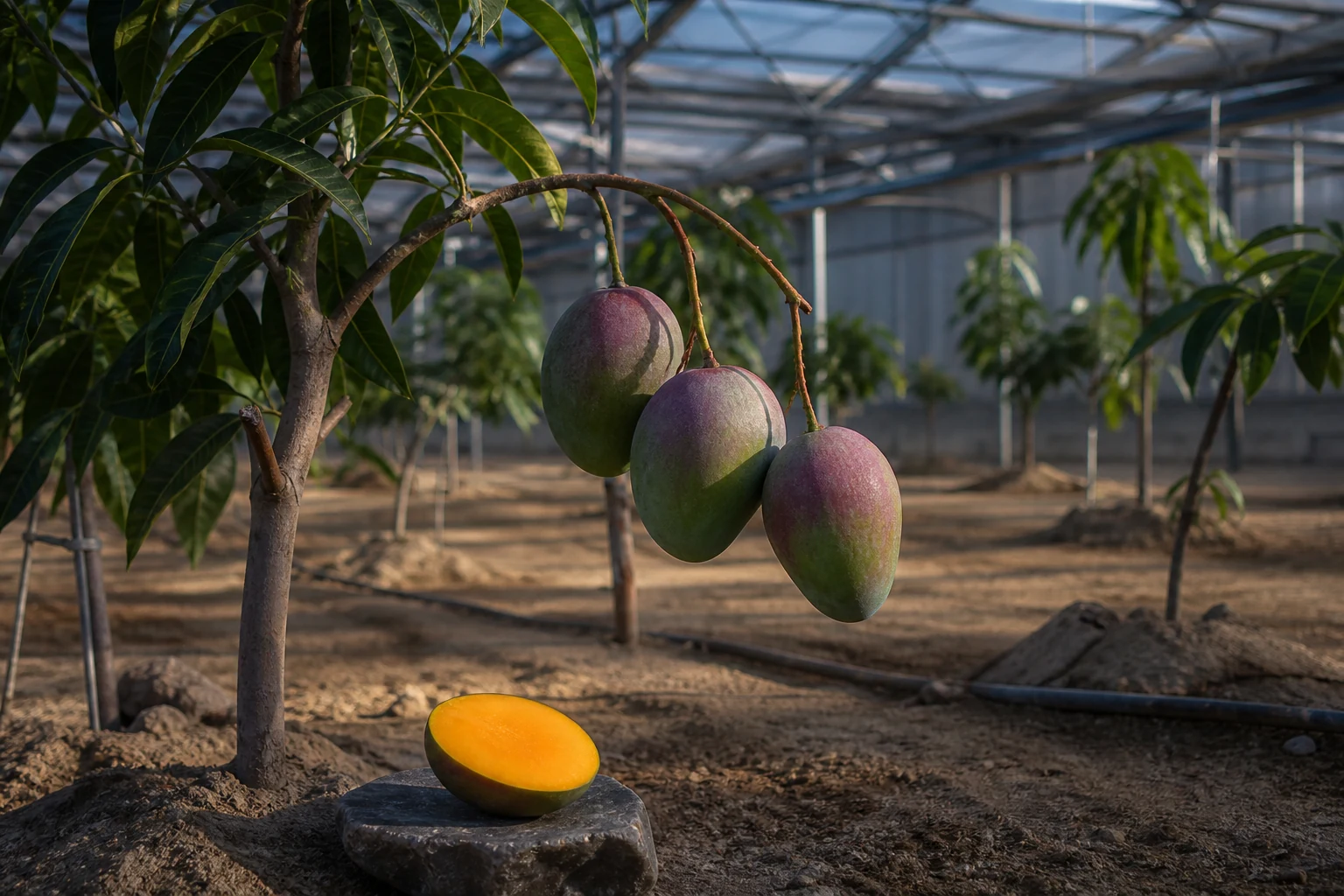
Greenhouse mango remains an experimental path in Almería: local research studies varieties, rootstocks, salinity and earliness, far from the great subtropical orchards of Málaga and Granada.
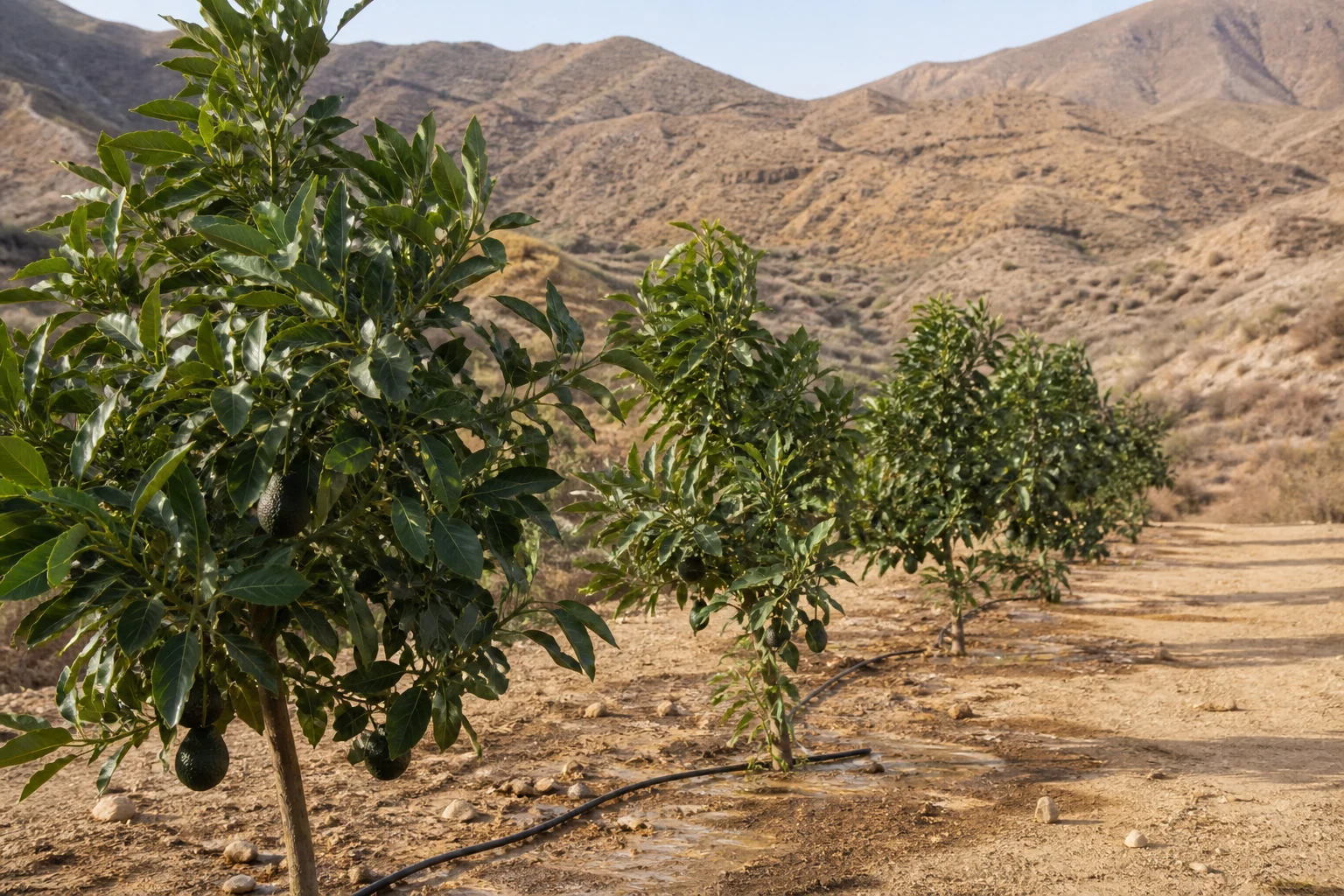
The most incipient of Almería's subtropicals: 68 hectares on record in 2022, in very specific microclimates. An emerging presence told at its real scale, far from the great orchards.
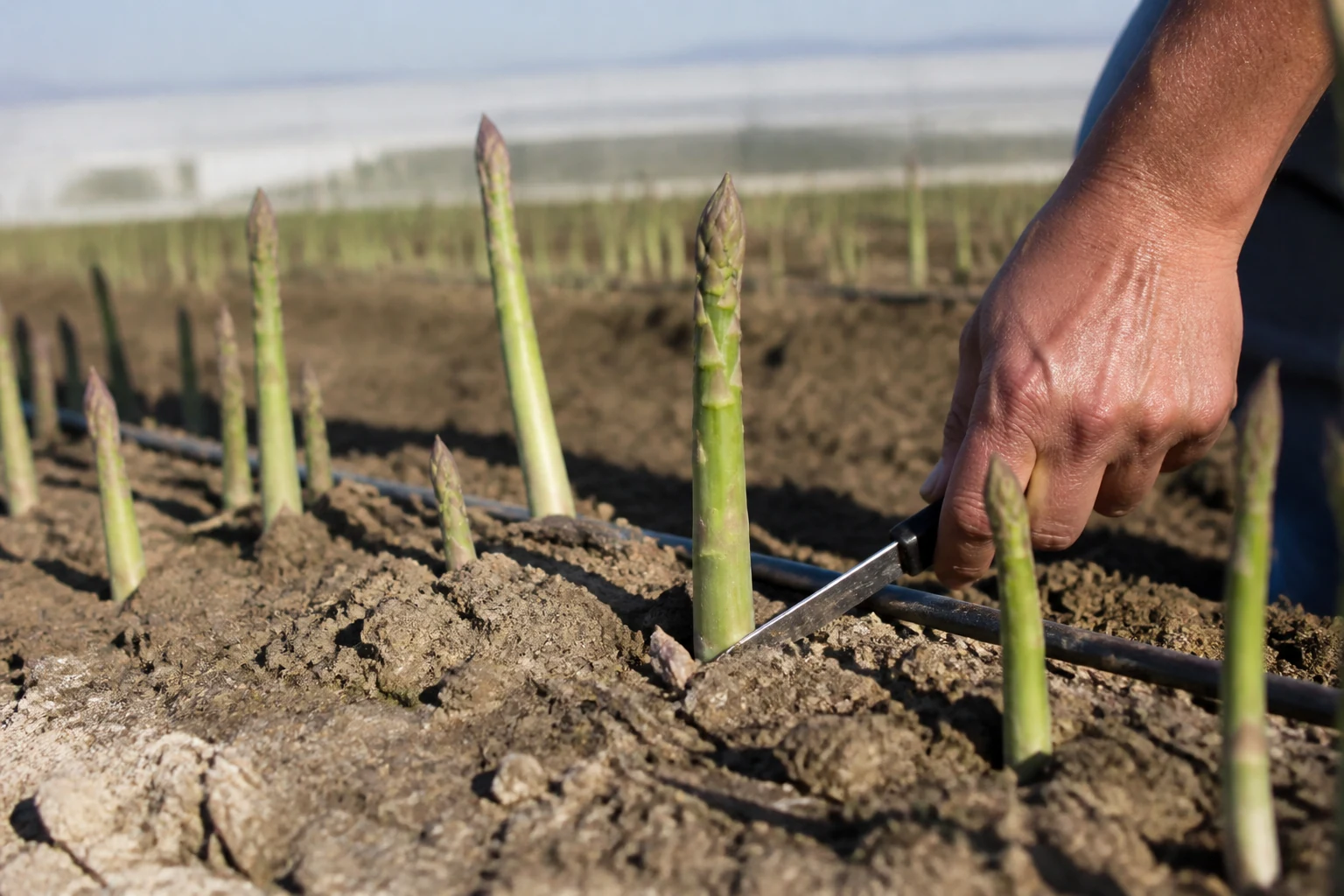
In spring, green asparagus spears are cut one by one as they break the soil. In Almería it is a small open-field crop, secondary to Granada's great asparagus heartland.
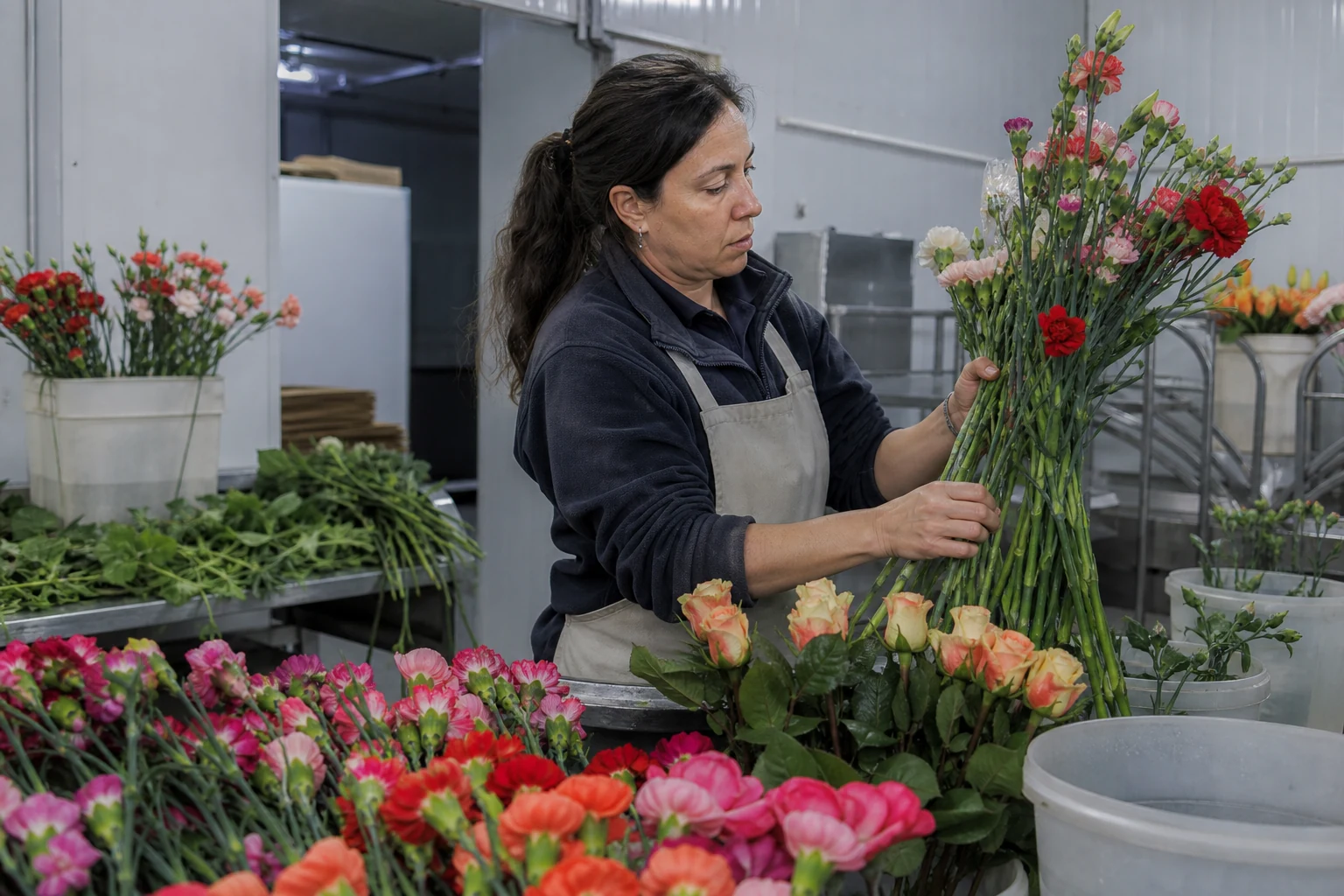
The huerta you don't eat: carnations and roses also grow under the plastic. Almería leads Andalusia's ornamental plants by area, but cut flowers here are a real yet modest business.