Tabernero
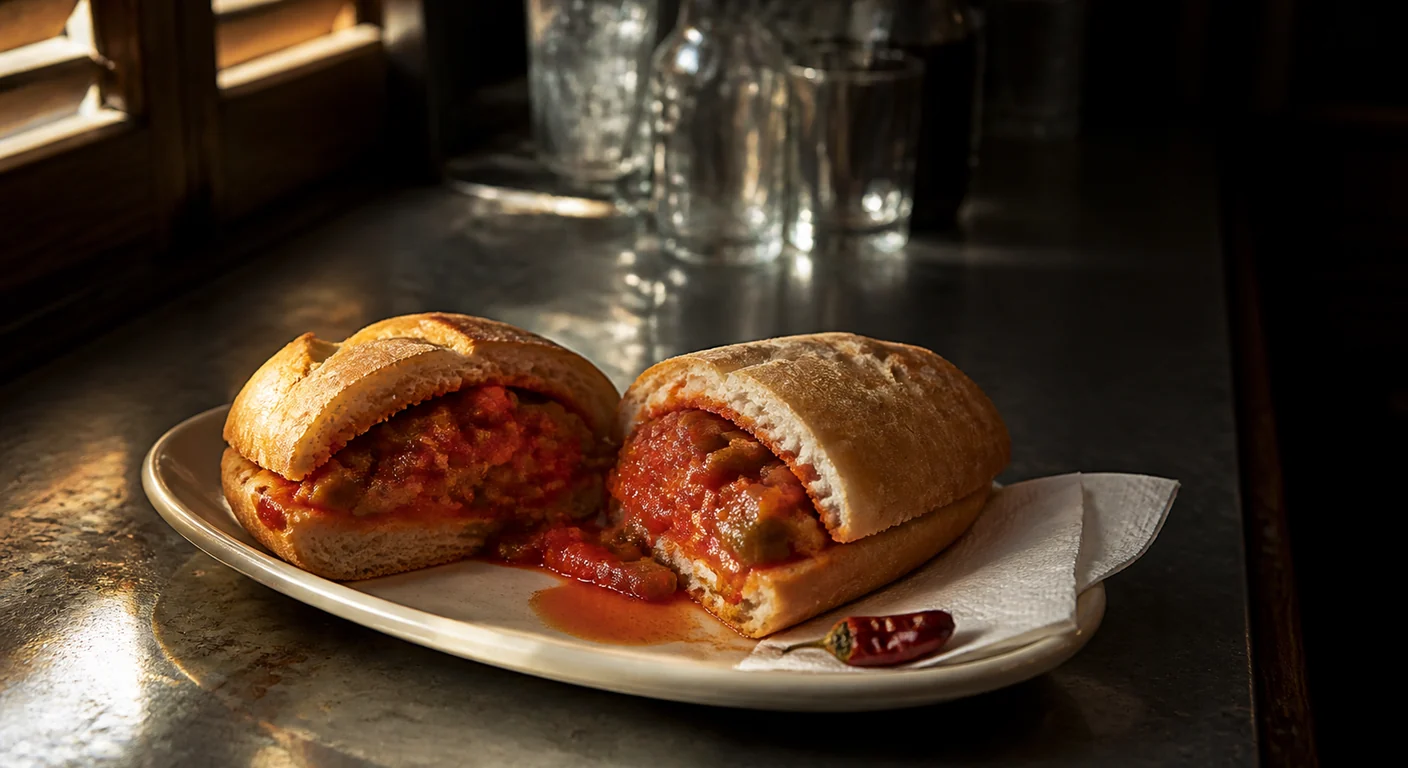
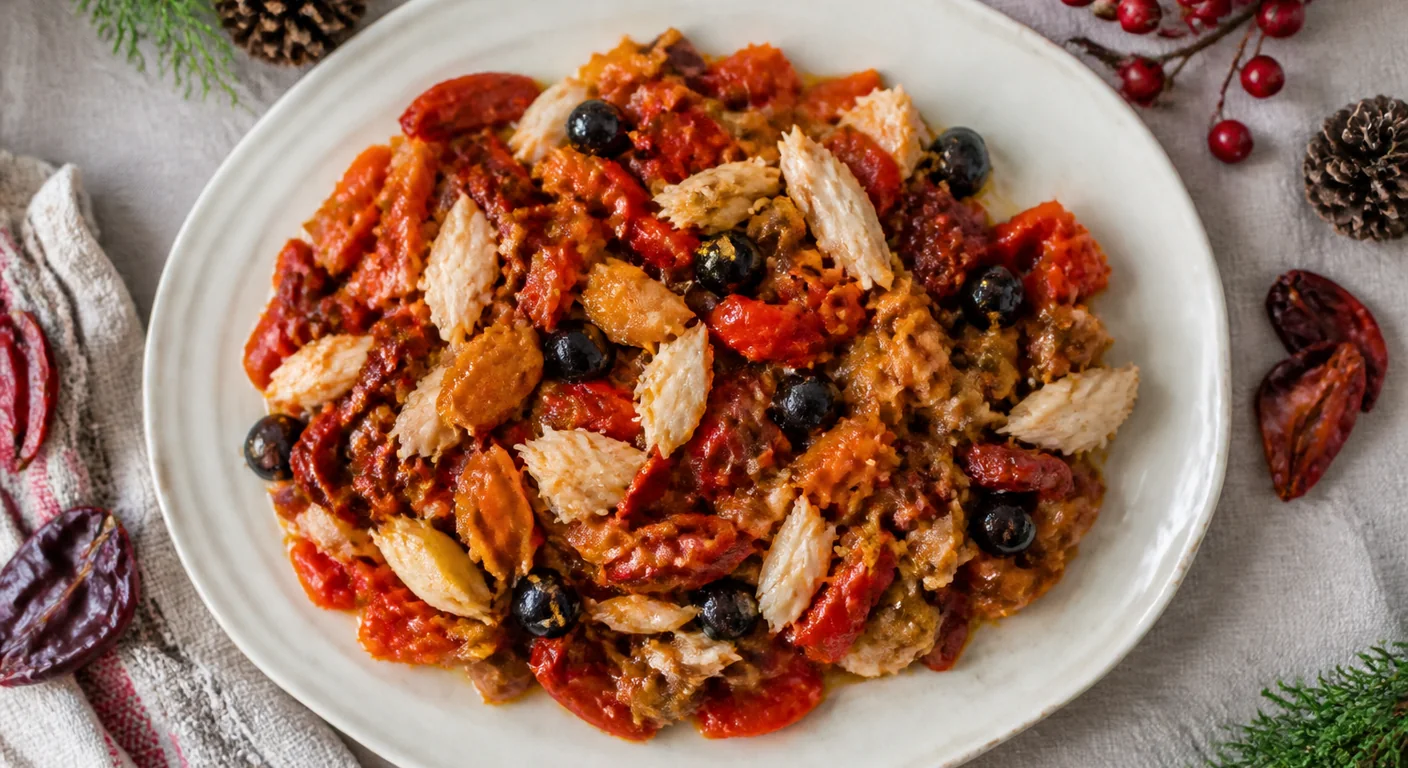
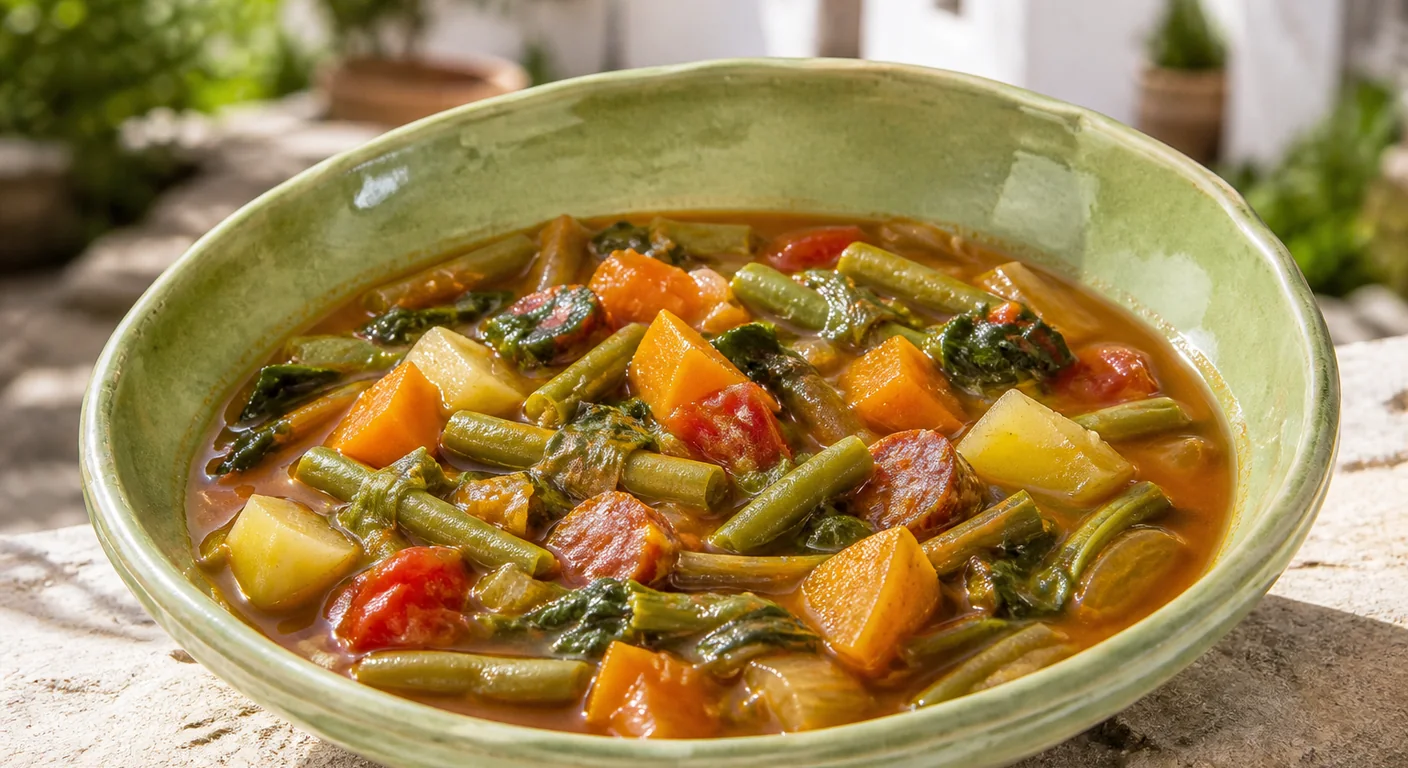
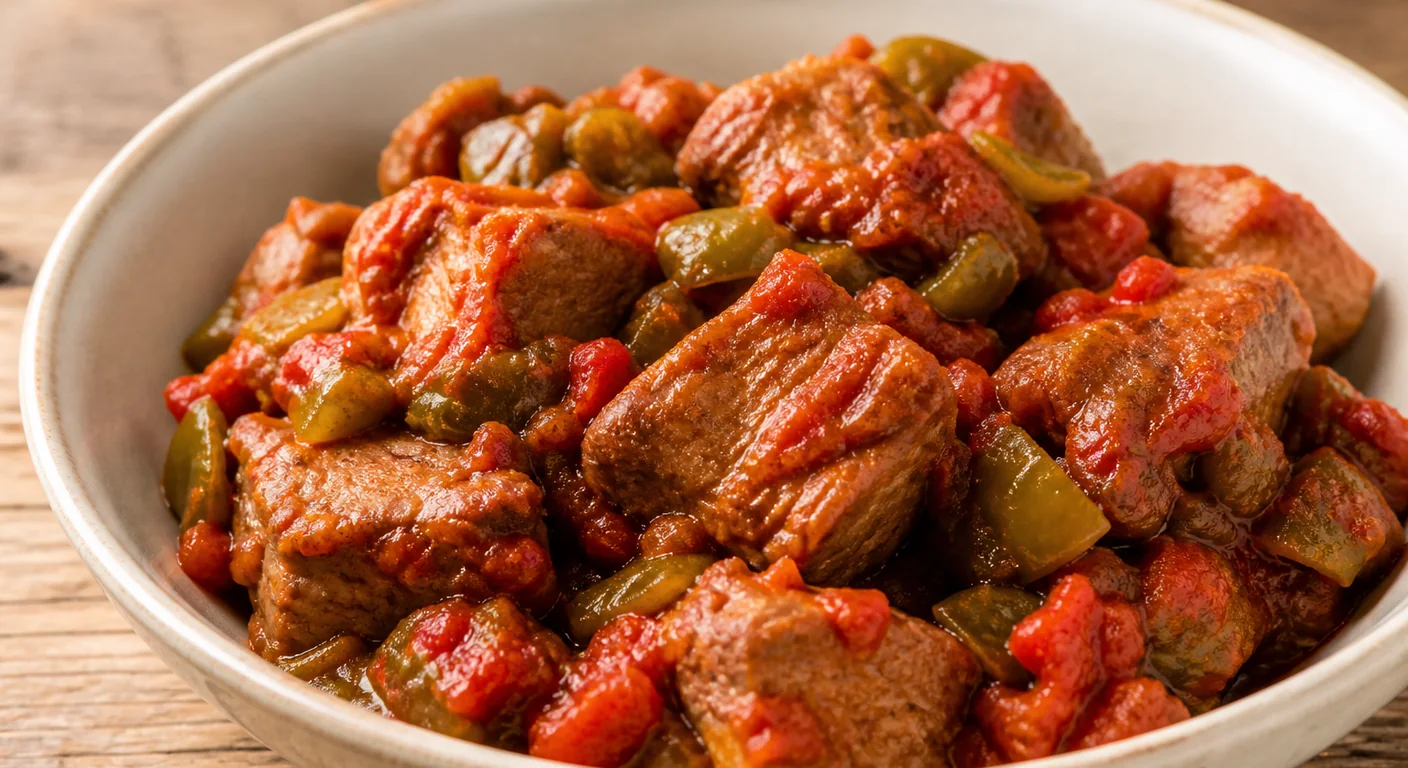
Ripe tomato, green pepper and onion slowly melted in olive oil, with a touch of heat. The tabernero is served hot or warm, on its own, on toast or in a small roll.
Inland stews, seasonal cooking, bar-counter tapas and Mediterranean flavours: 36 dishes to read the territory through the plate.
In Alhama de Almería, traditional cooking followed the weather and what the fields provided. Cold or rainy days called for migas, wheat, pumpkin or fennel potajes and slow-simmered dishes. Summer brought back gazpachos, seasonal salads and fresher preparations. Cereals, pulses, vegetables from the vega and olive oil made up daily life; meat belonged above all to feast days, family meals and the time of the matanza.
The notebook then widens the circle: the Bajo Andarax and the Alpujarra almeriense with their gurullos, ajoblanco or pipirrana; the province with its inland and coastal recipes; and finally the city of Almería, where the tapeo brings together popular cooking, seafood and bar-counter creations. You move from a long-simmered olla to a bite served with a drink, then from a fish dish to a fresh sauce made in the mortar.
The 36 entries therefore do not all claim the same origin. Each states its real degree of anchorage: a tradition documented in Alhama, a comarca speciality, a provincial emblem, or an Andalusian and Spanish classic adopted by the local bars. A more honest — and more appetising — way to understand what you are eating, why it is made this way and when to order it.
Ripe tomato, green pepper and onion slowly melted in olive oil, with a touch of heat. The tabernero is served hot or warm, on its own, on toast or in a small roll.
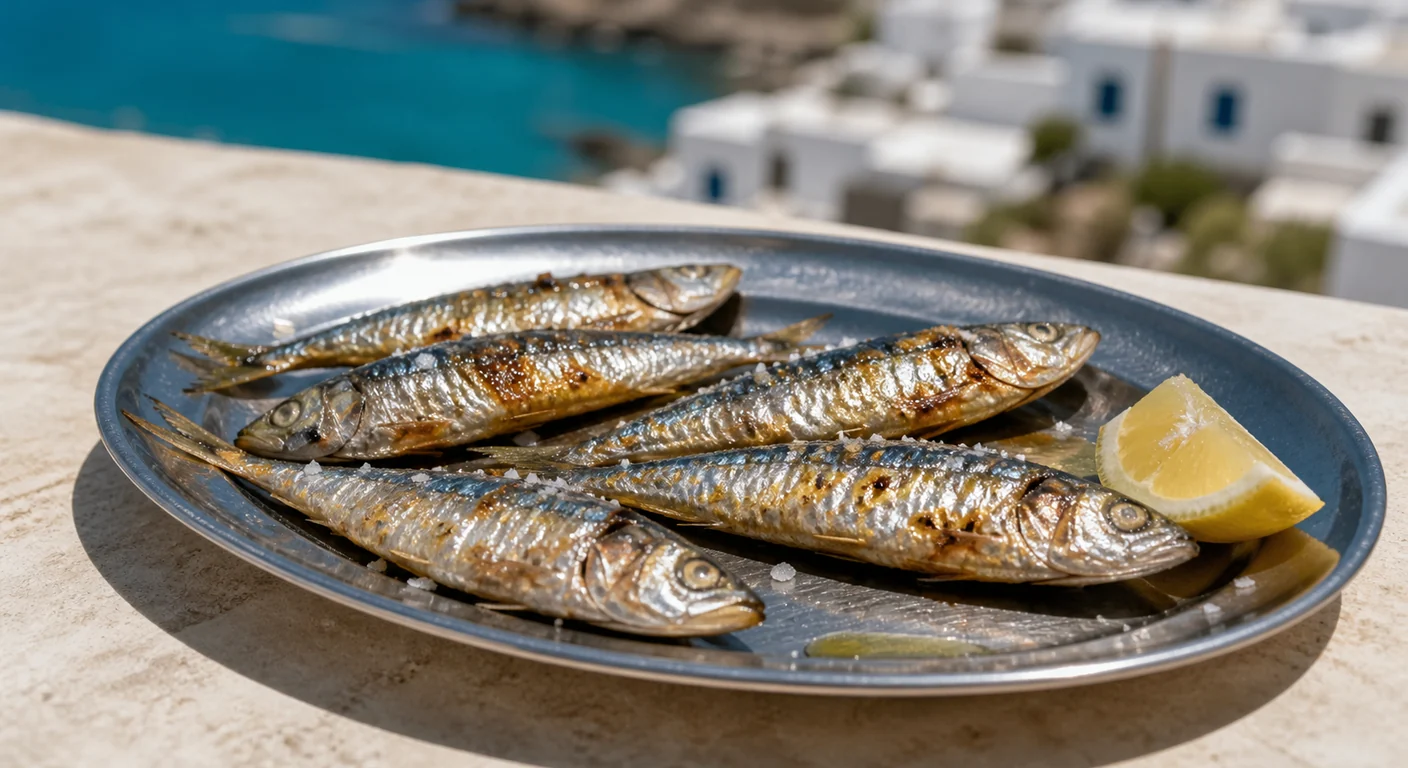
Fresh sardines grilled or seared on the plancha with coarse salt and very little oil. The skin crisps, the flesh stays juicy, and the dish keeps the frank taste of summer meals beside the Mediterranean.
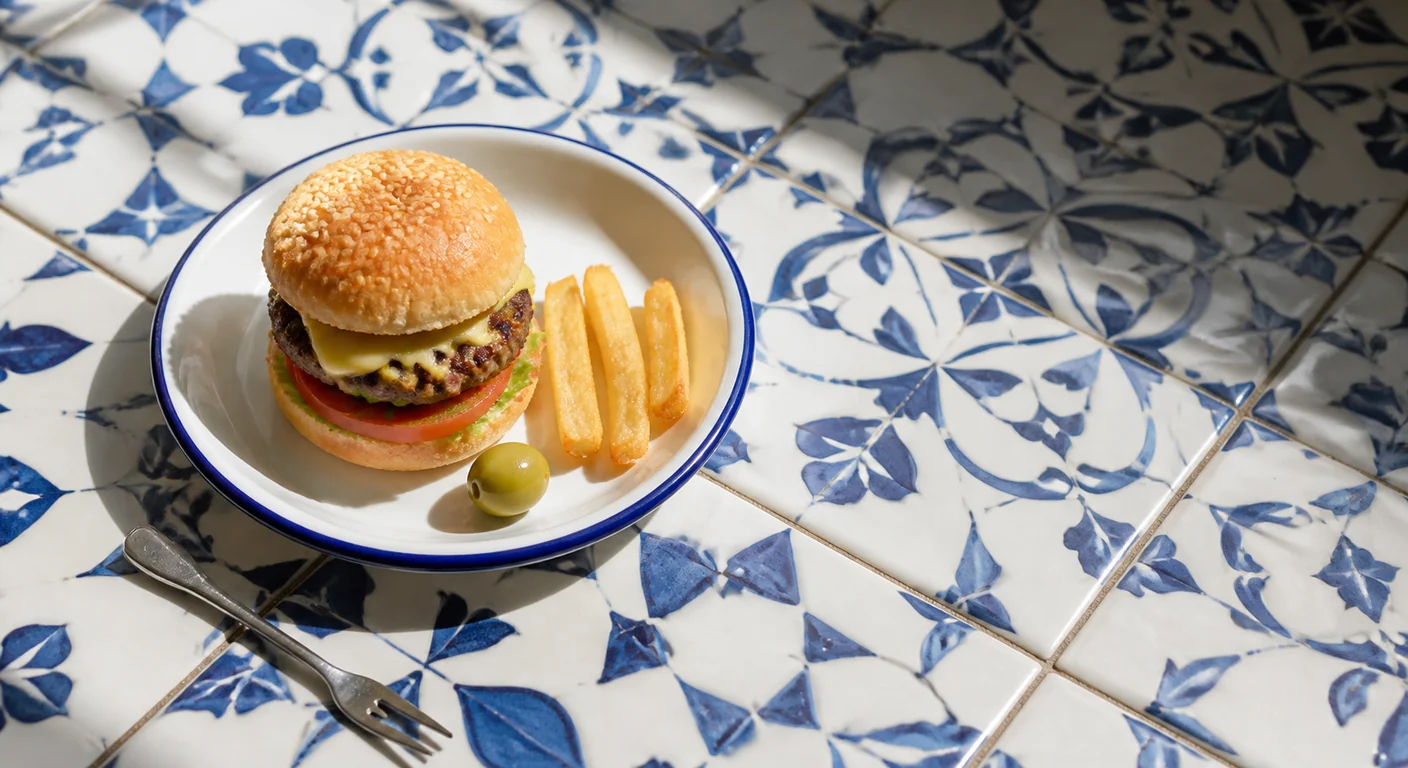
A toasted bun holds seared minced meat, juicy and garnished house-style. In tapa format, the hamburguesa embraces its modernity without claiming to belong to the old heritage.
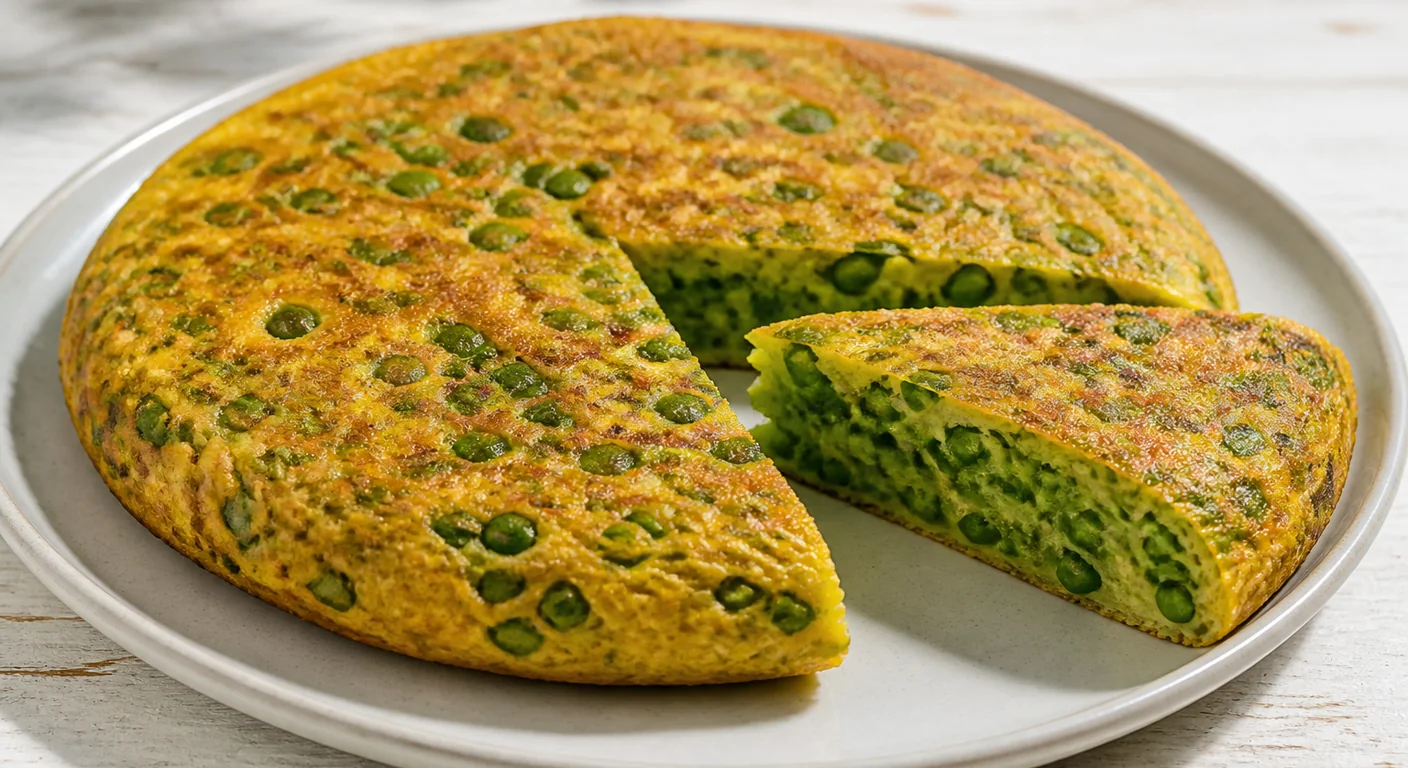
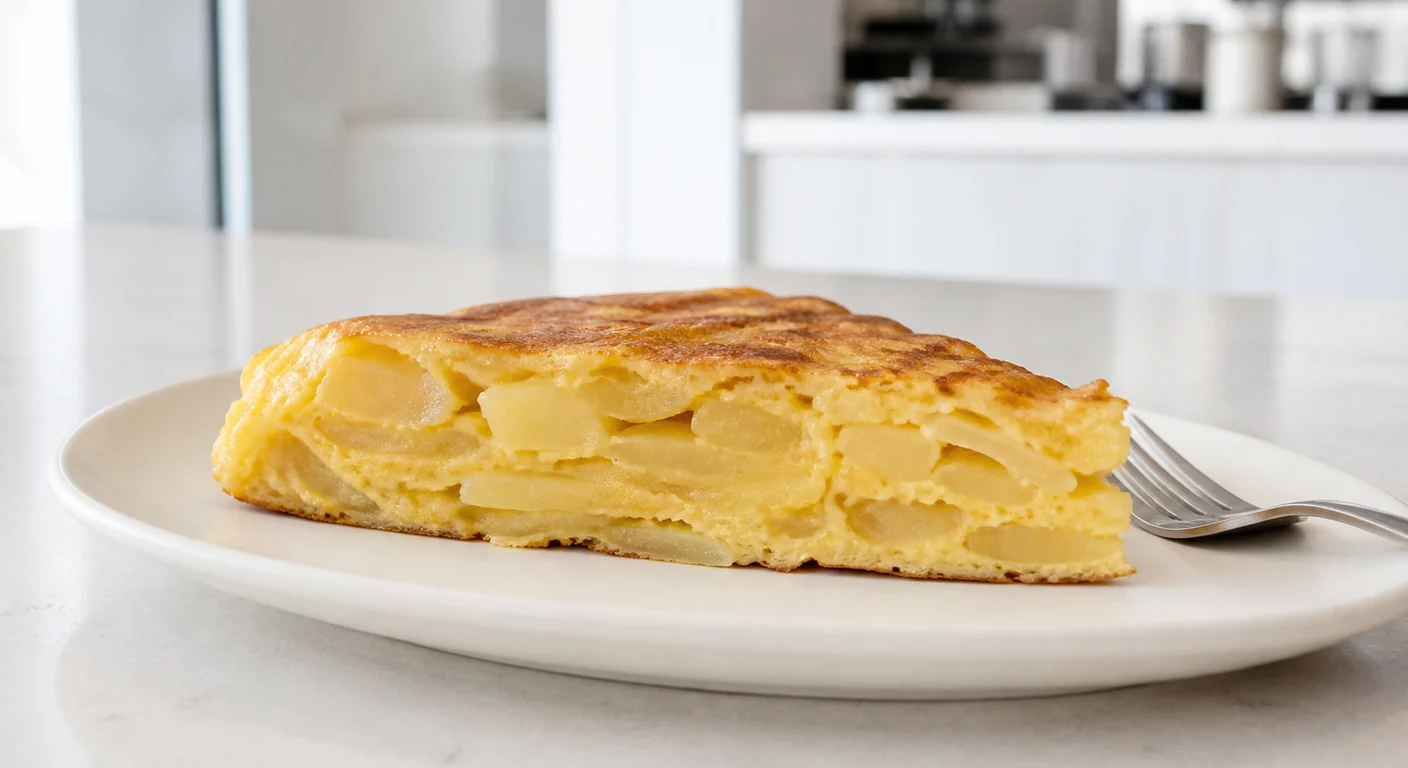
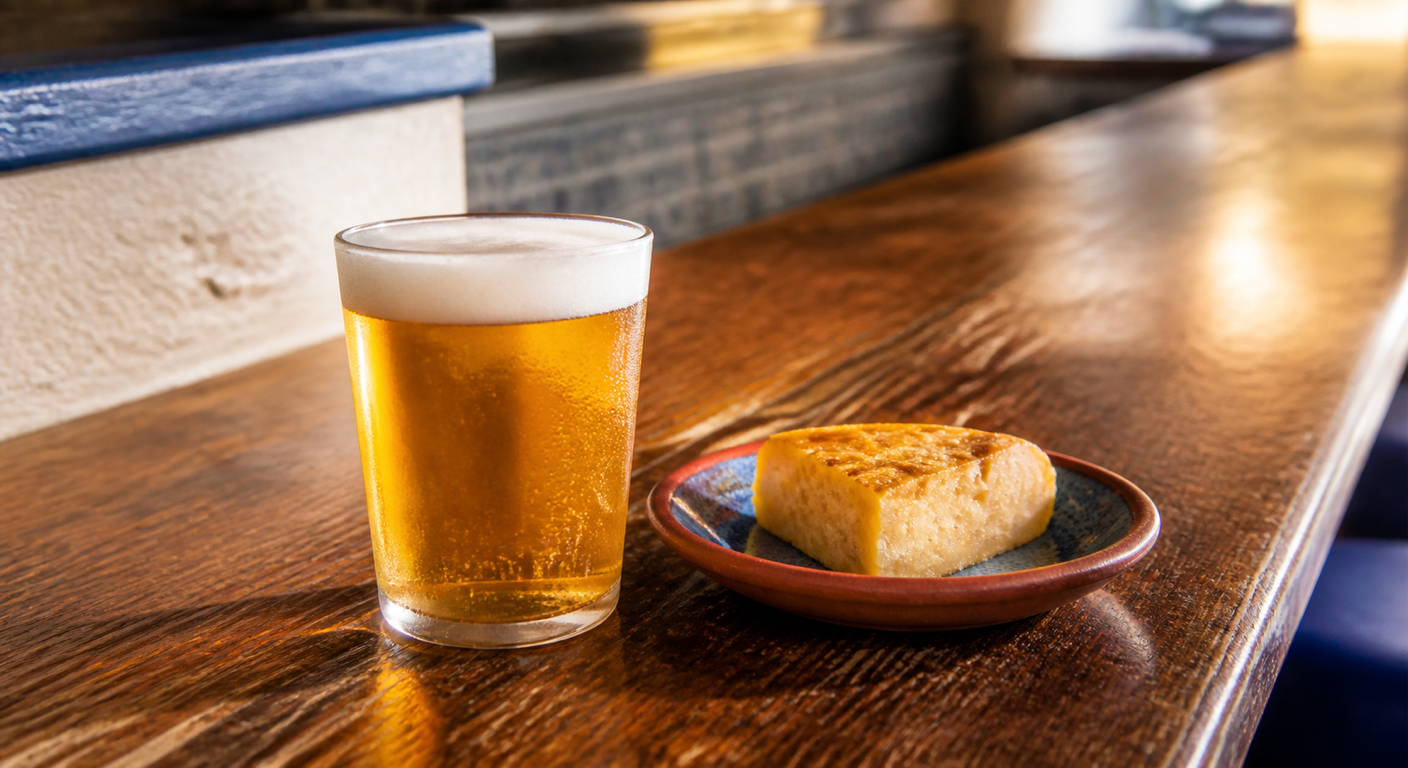
Potatoes gently softened in olive oil, bound with eggs and set into a thick tortilla. With or without onion, runnier or well set, it remains one of the most familiar bites of the Spanish bar.
The egg-free version many bars prefer: two parts oil to one of milk and a garlic clove make a snow-white, light sauce — still a fresh, perishable preparation.
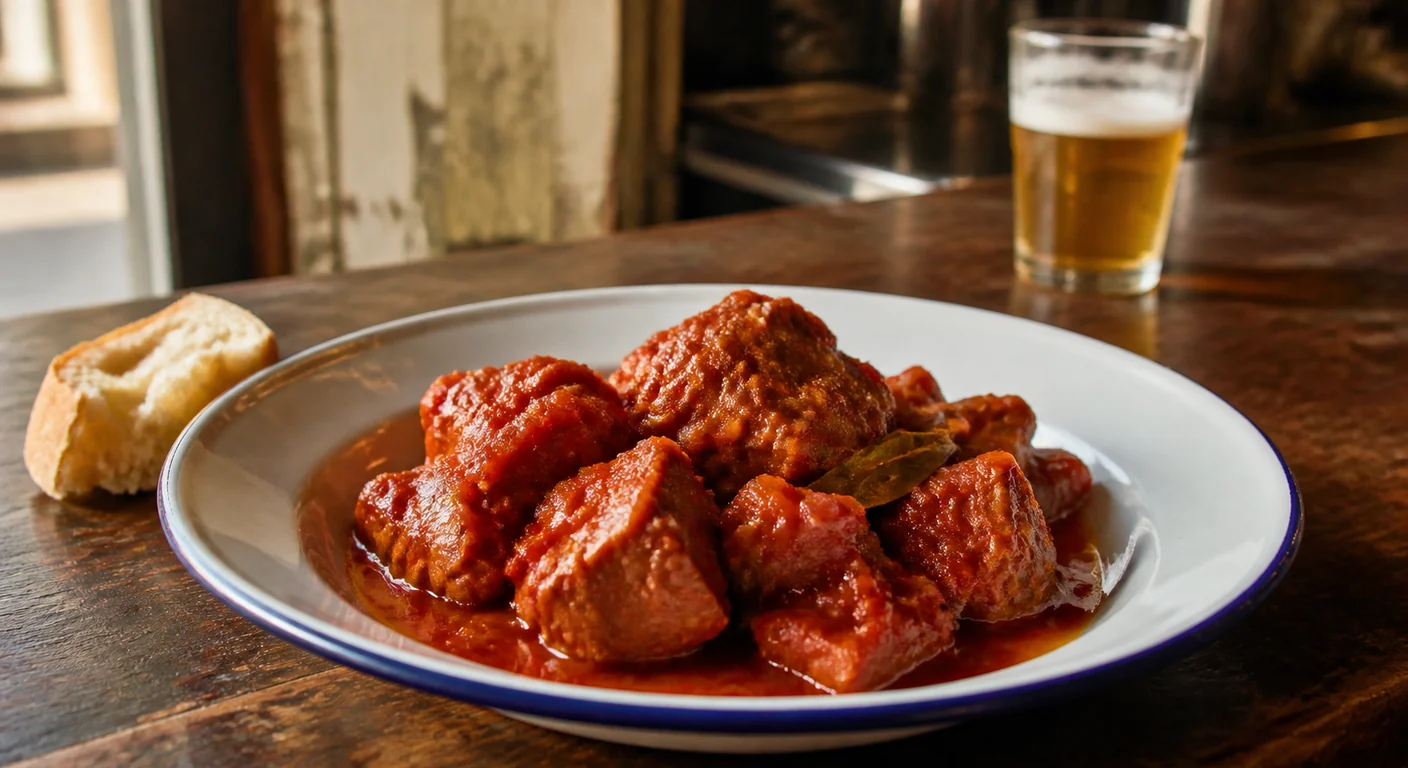
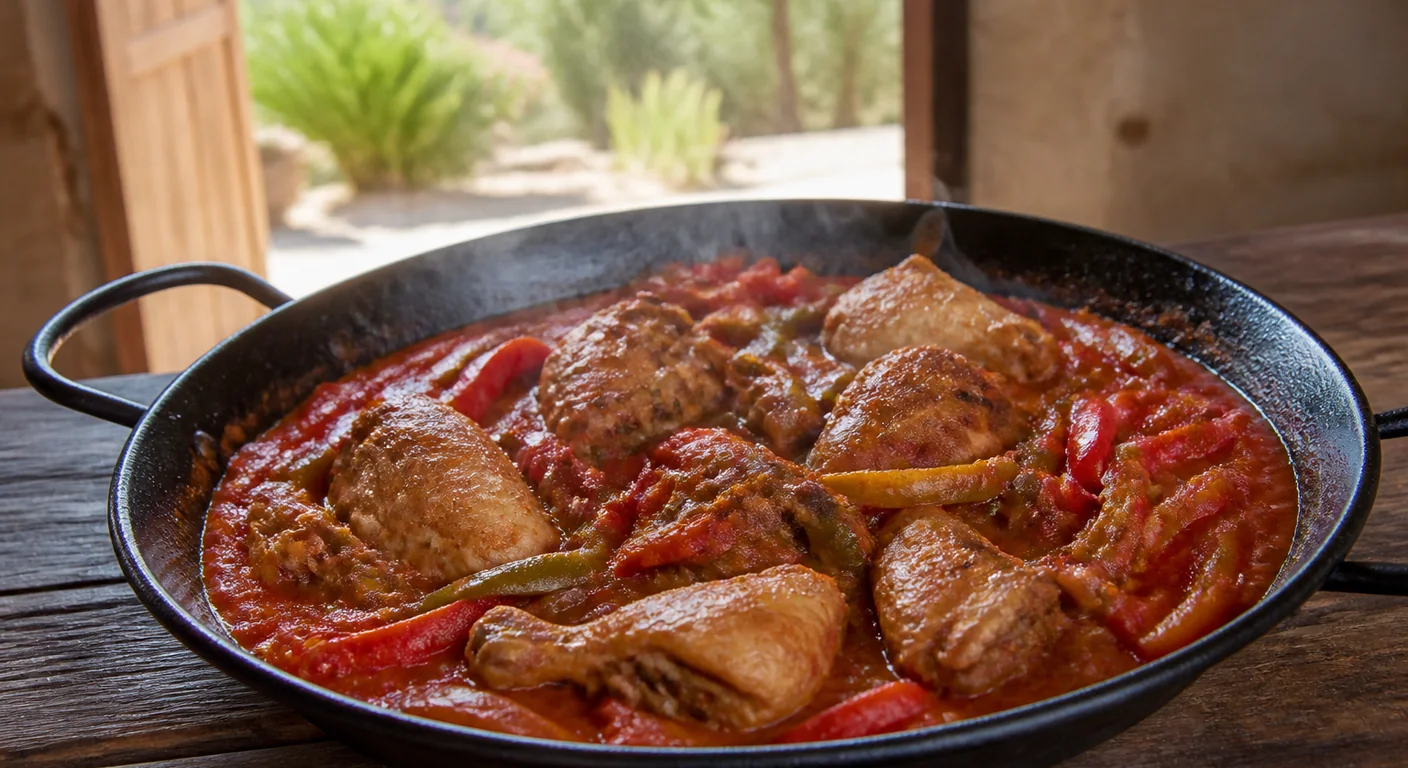
Pieces of pork browned then gently stewed in a tomato sauce worked with onion, garlic and aromatics. The meat turns tender, the tomato concentrates, and every bite calls for a piece of bread.
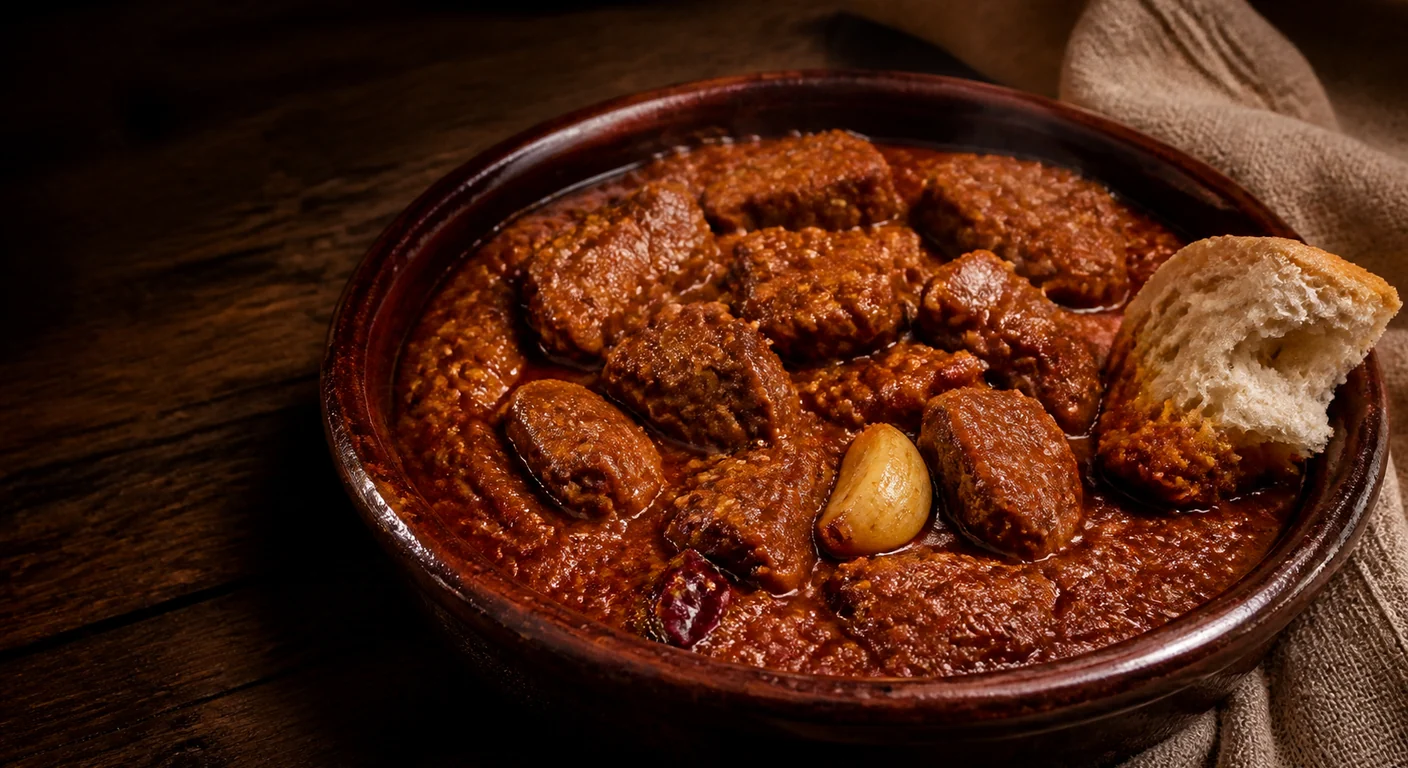
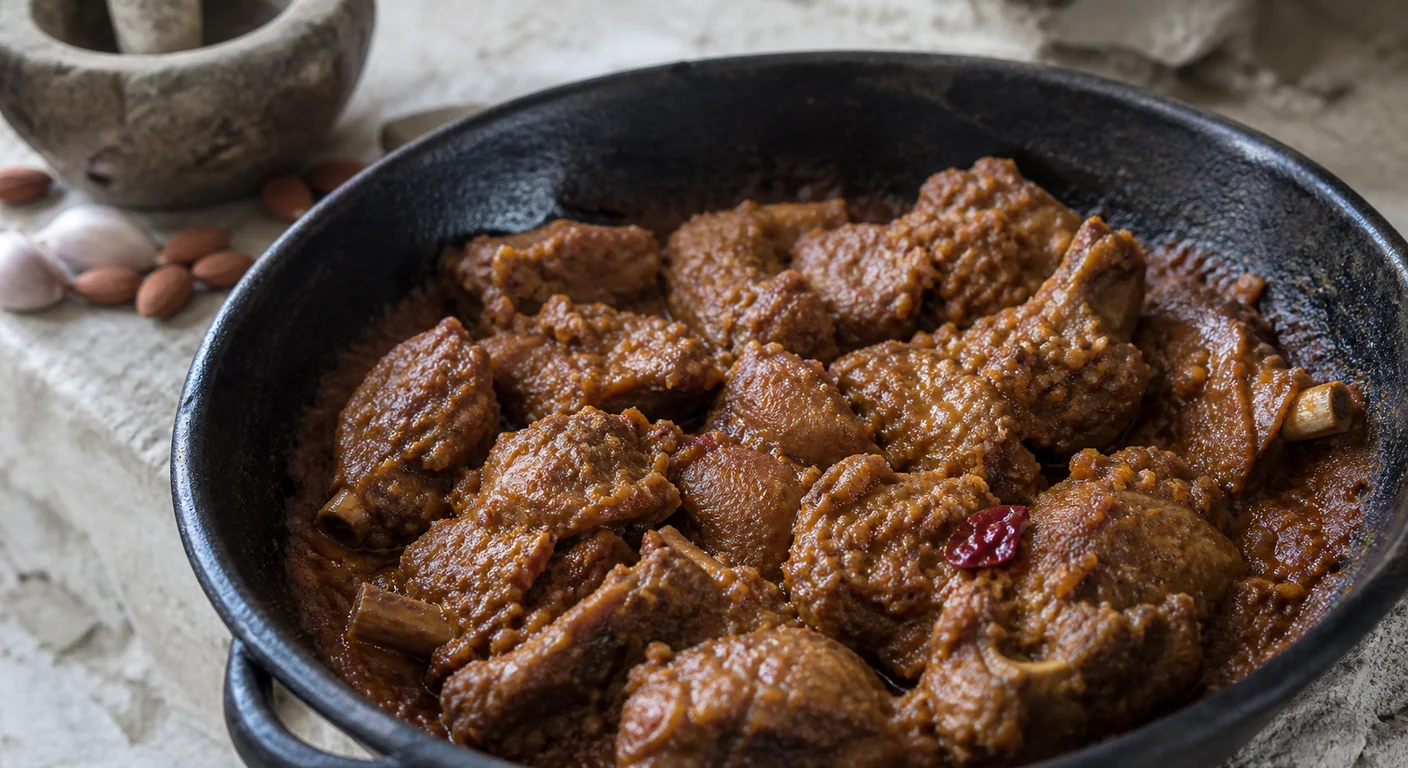
Here the ajillo is no mere garlic sauté. The meat stews in a dense sauce of almonds, bread, pimentón and spices until tender and deeply fragrant: a singular preparation of the Almería repertoire.
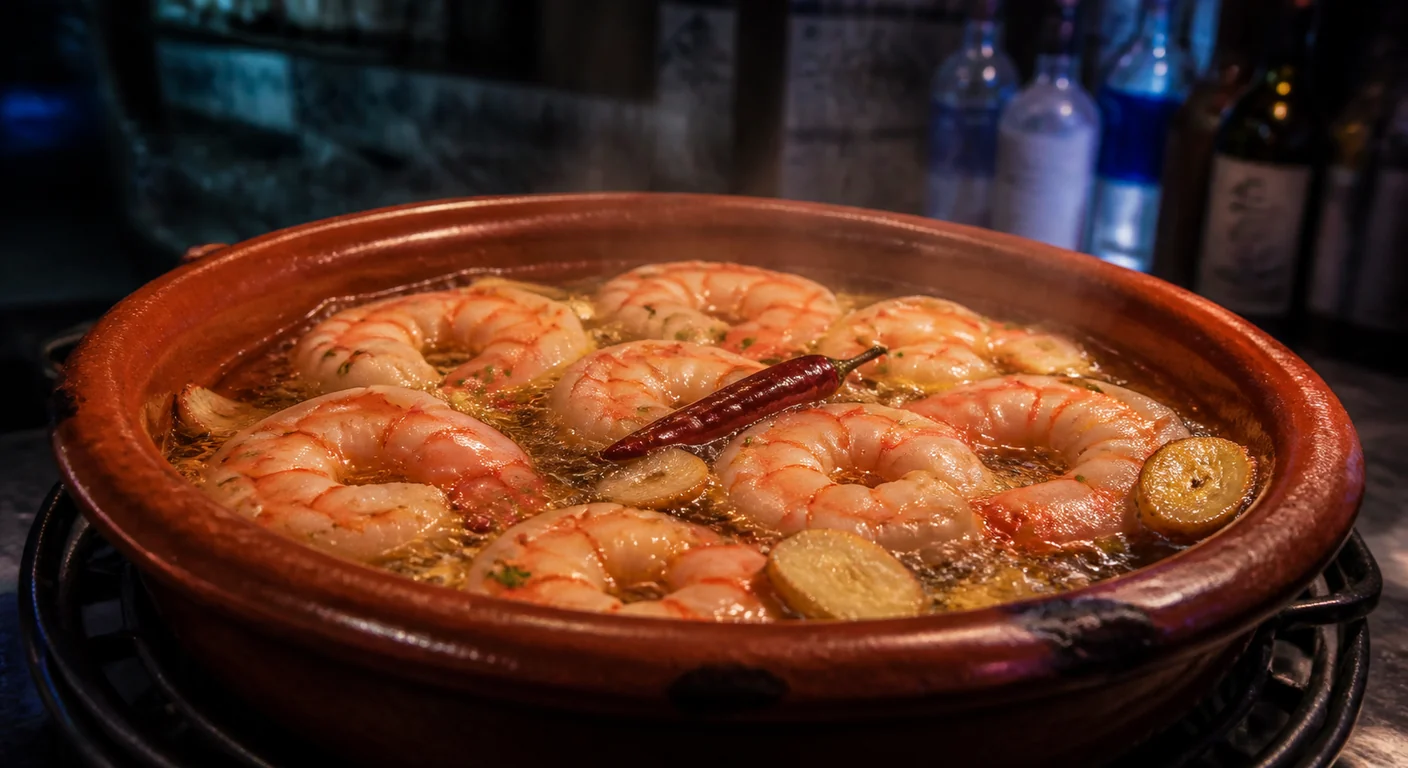
Peeled prawns heated in olive oil with sliced garlic, guindilla chilli and a little parsley. Served bubbling in their dish, they become fully Almerian when the red prawn of Garrucha takes the stage.
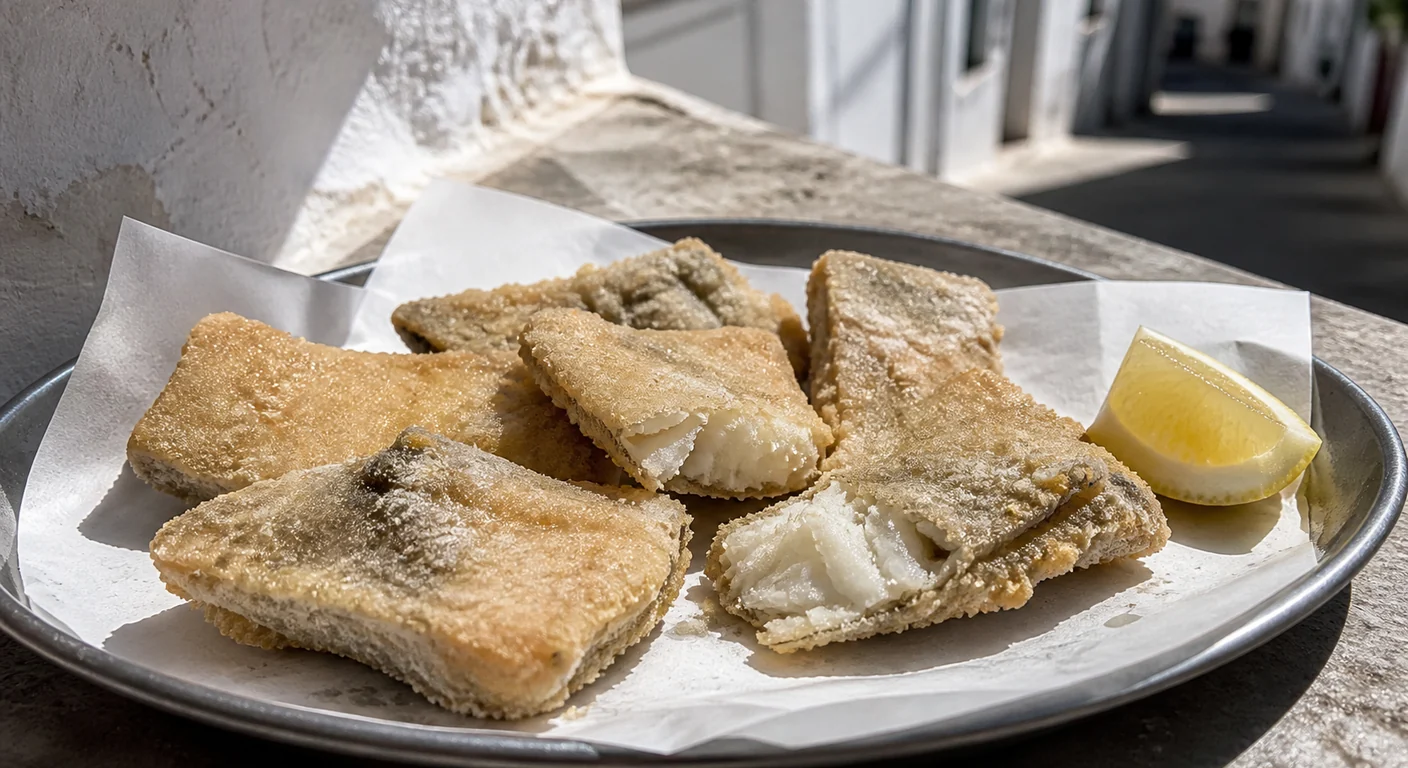
Chunks of cazón — a small shark — marinated in vinegar with garlic, pimentón, oregano, cumin and bay, then floured and fried. The thin crust shields juicy, fragrant, gently tangy flesh.
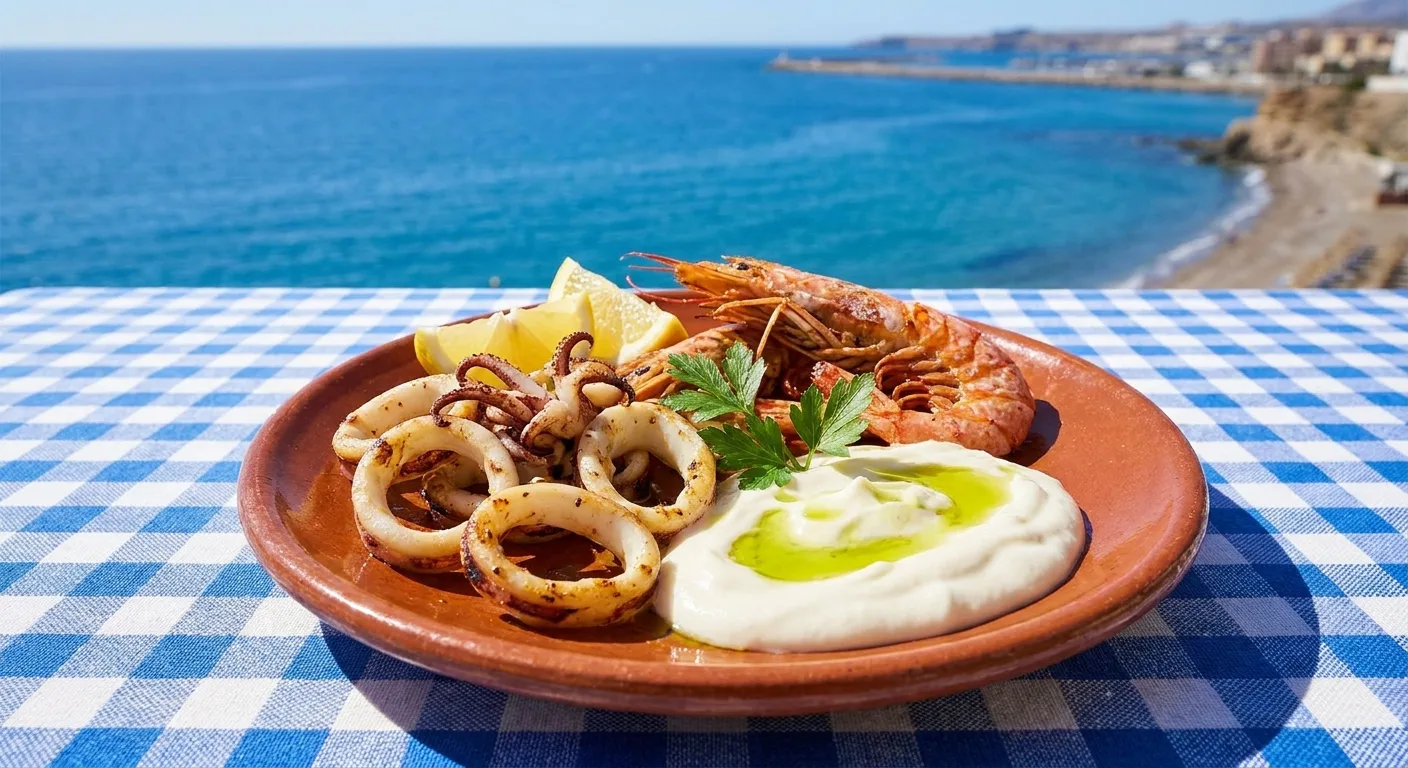
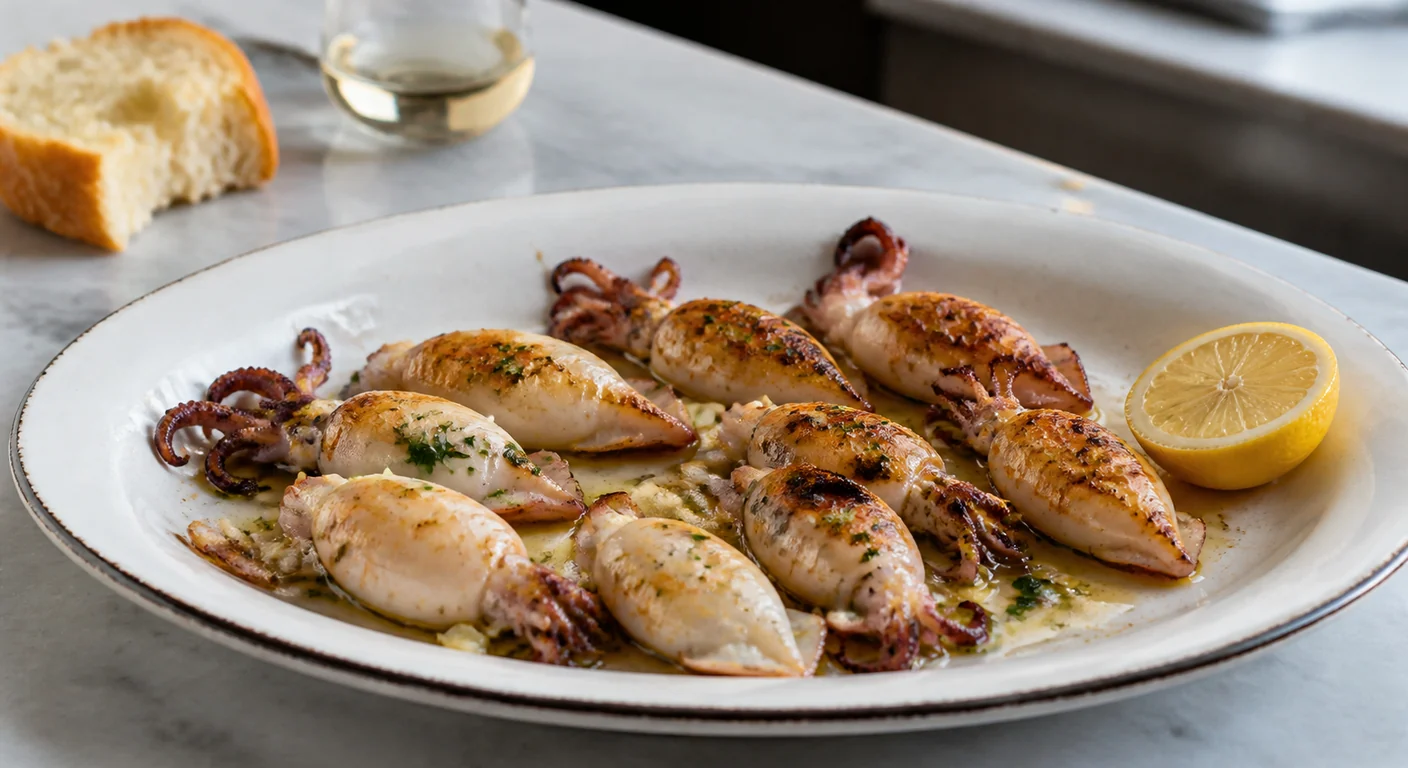
Small squid served whole, briefly seared on the griddle and lifted with olive oil, garlic and parsley. A simple seaside tapa, tender and lightly charred, entirely at home on the Almería coast.
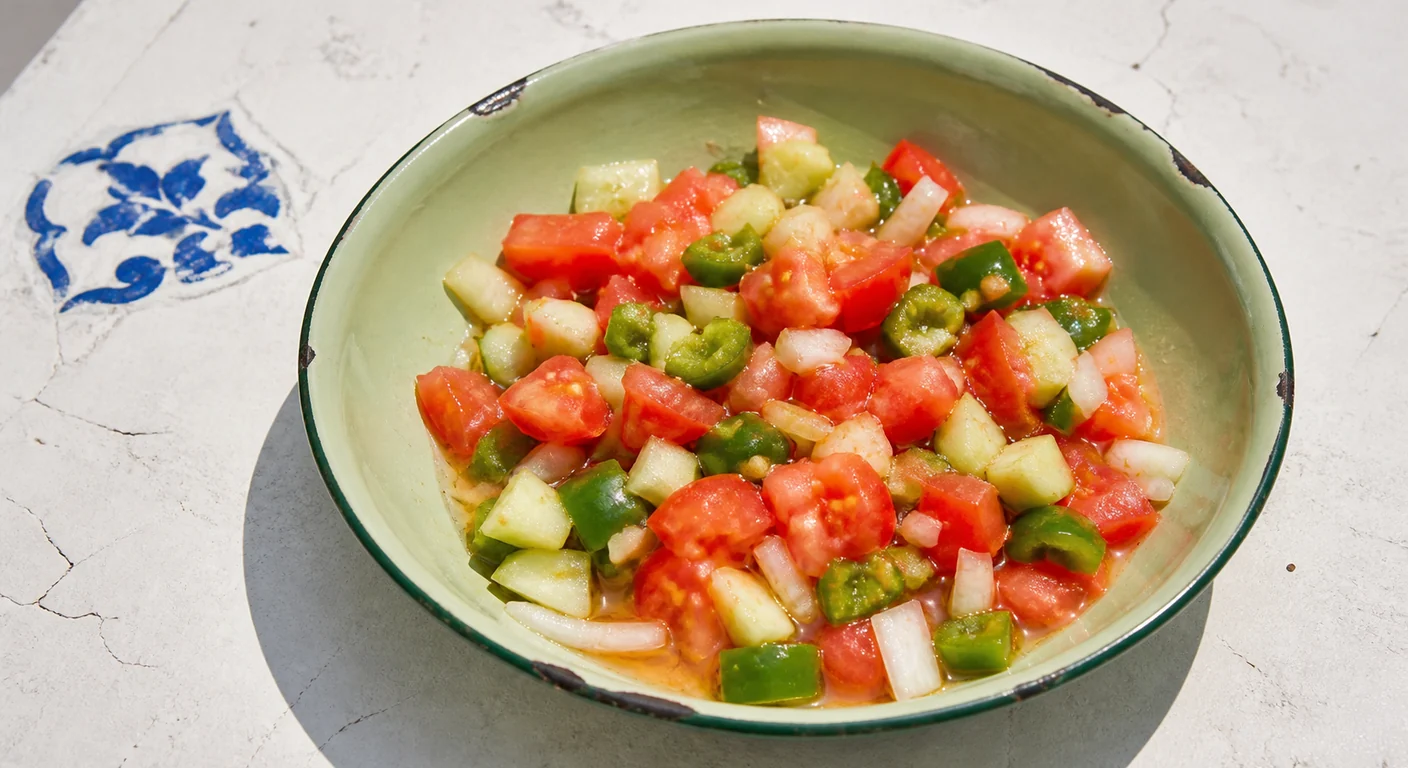
Tomato, pepper, onion and sometimes cucumber, cut small and dressed with olive oil and vinegar. This summer salad has many variants; in Almería it readily meets octopus and the products of the sea.
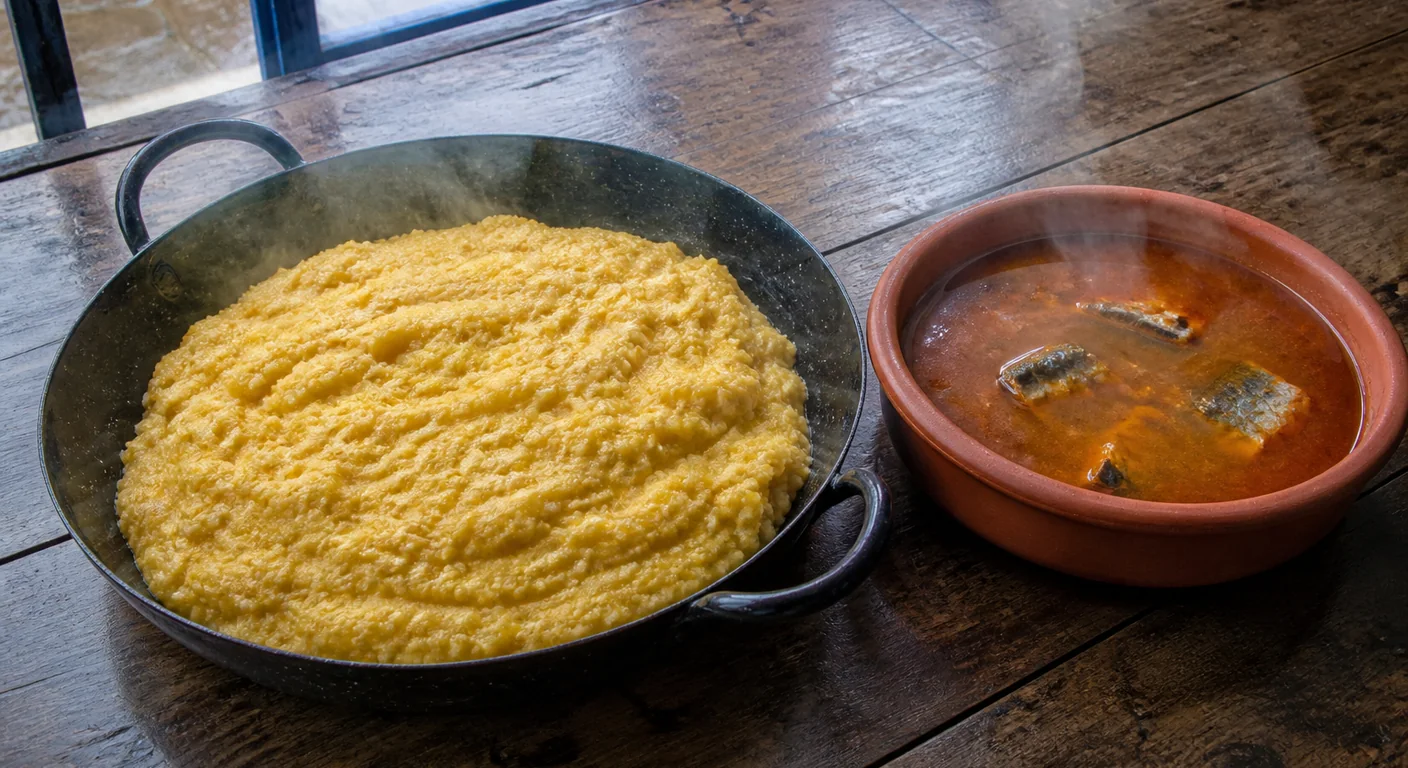
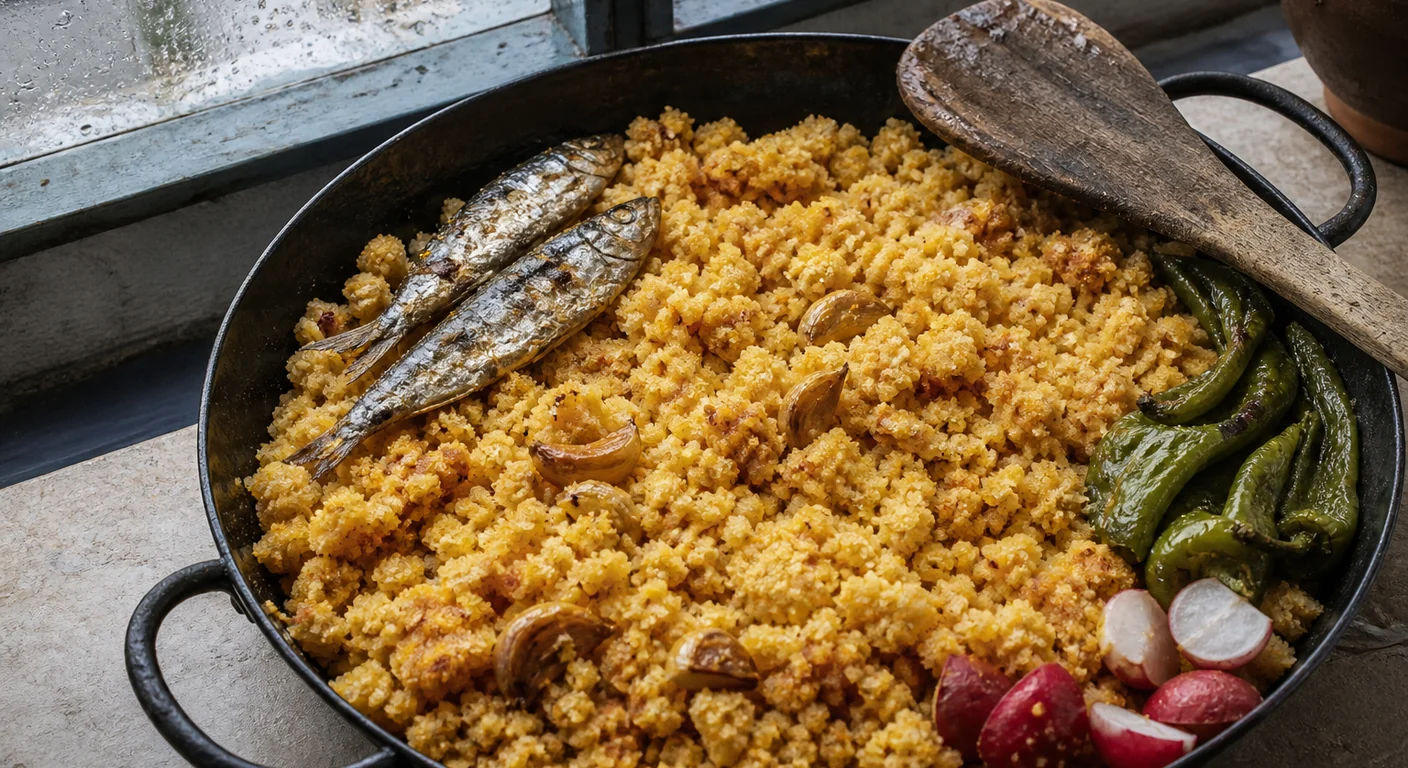
In Almería, migas are worked today from durum wheat semolina with water, oil and garlic. Grainy and golden, they welcome sardines, peppers, radishes or cured meats depending on season and table.
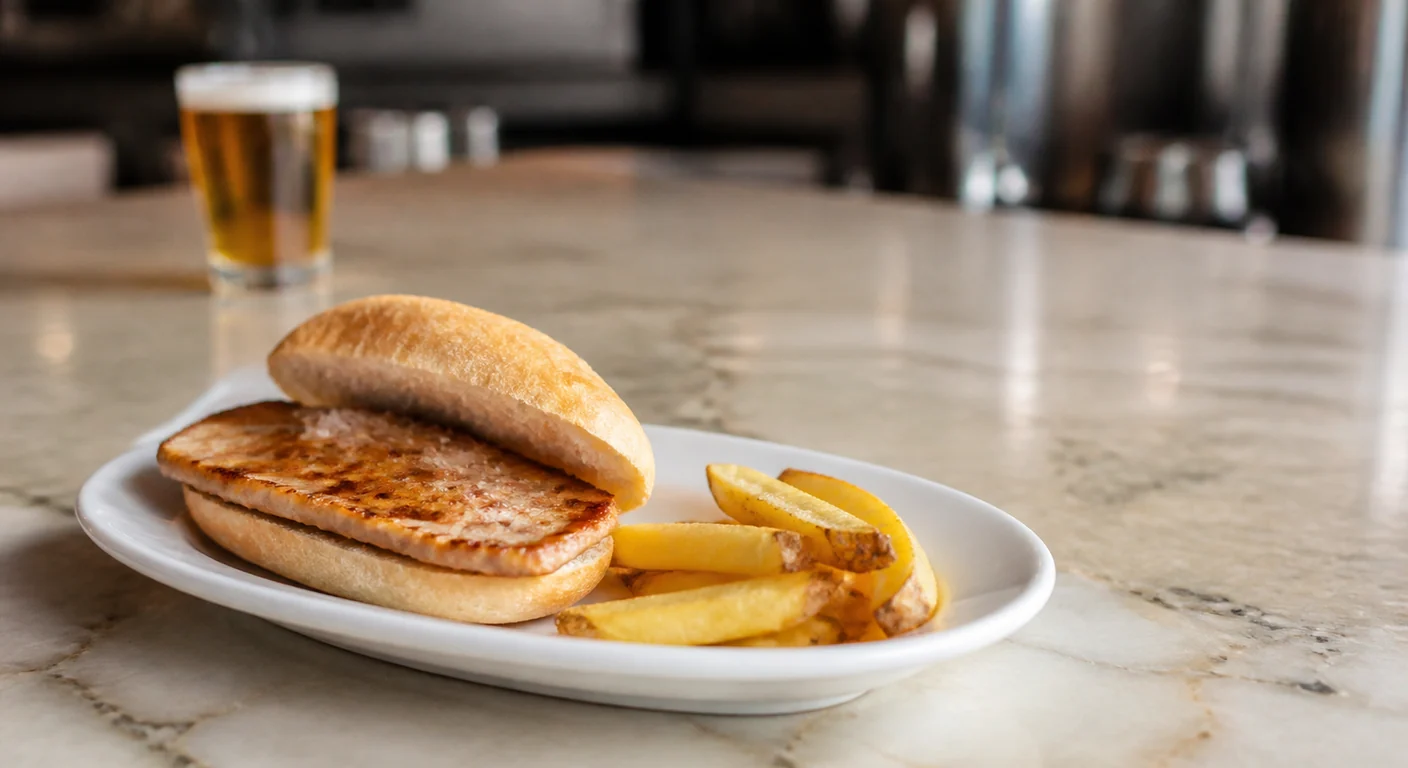
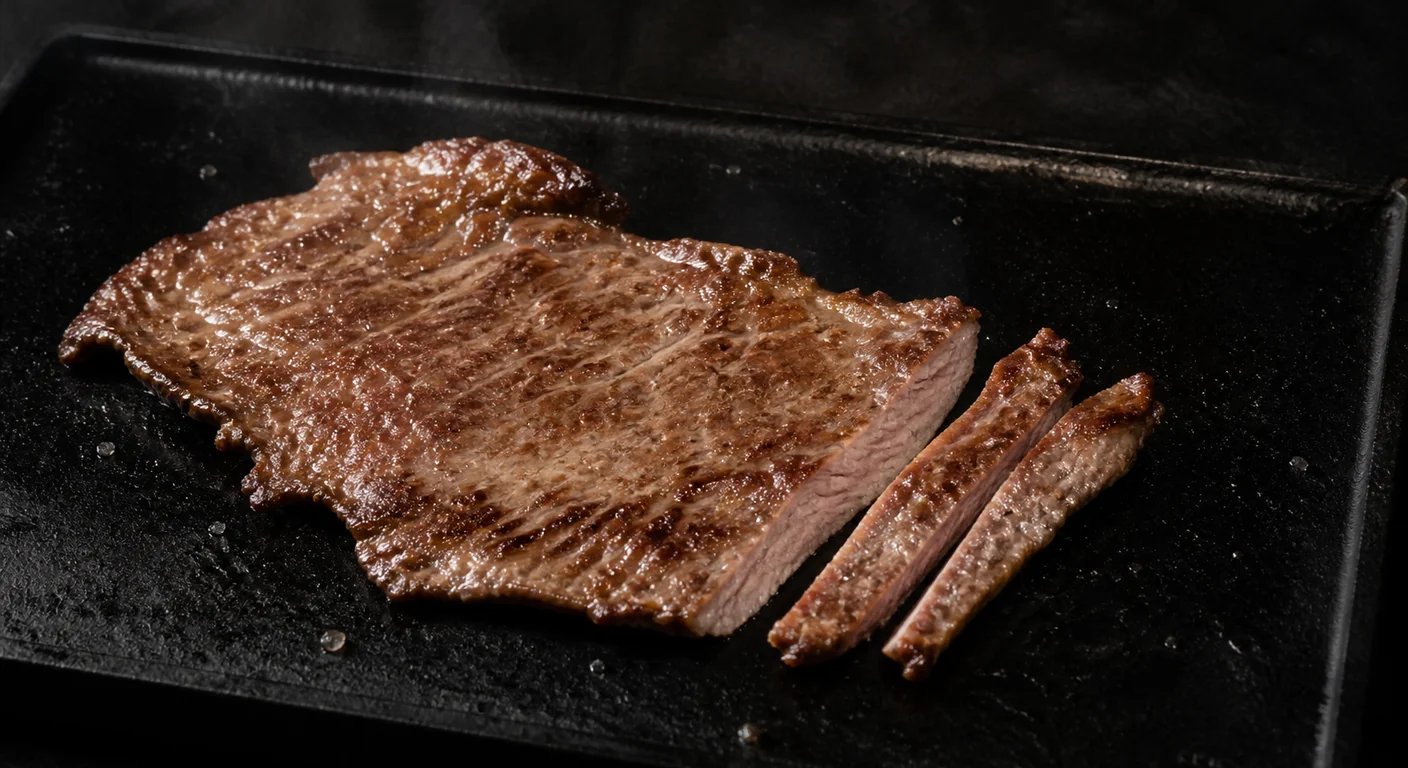
A slice of pork loin seared on a very hot griddle: golden outside, tender within. On its own, with potatoes or in a montadito, it is the direct, generous tapa of the bar counter.
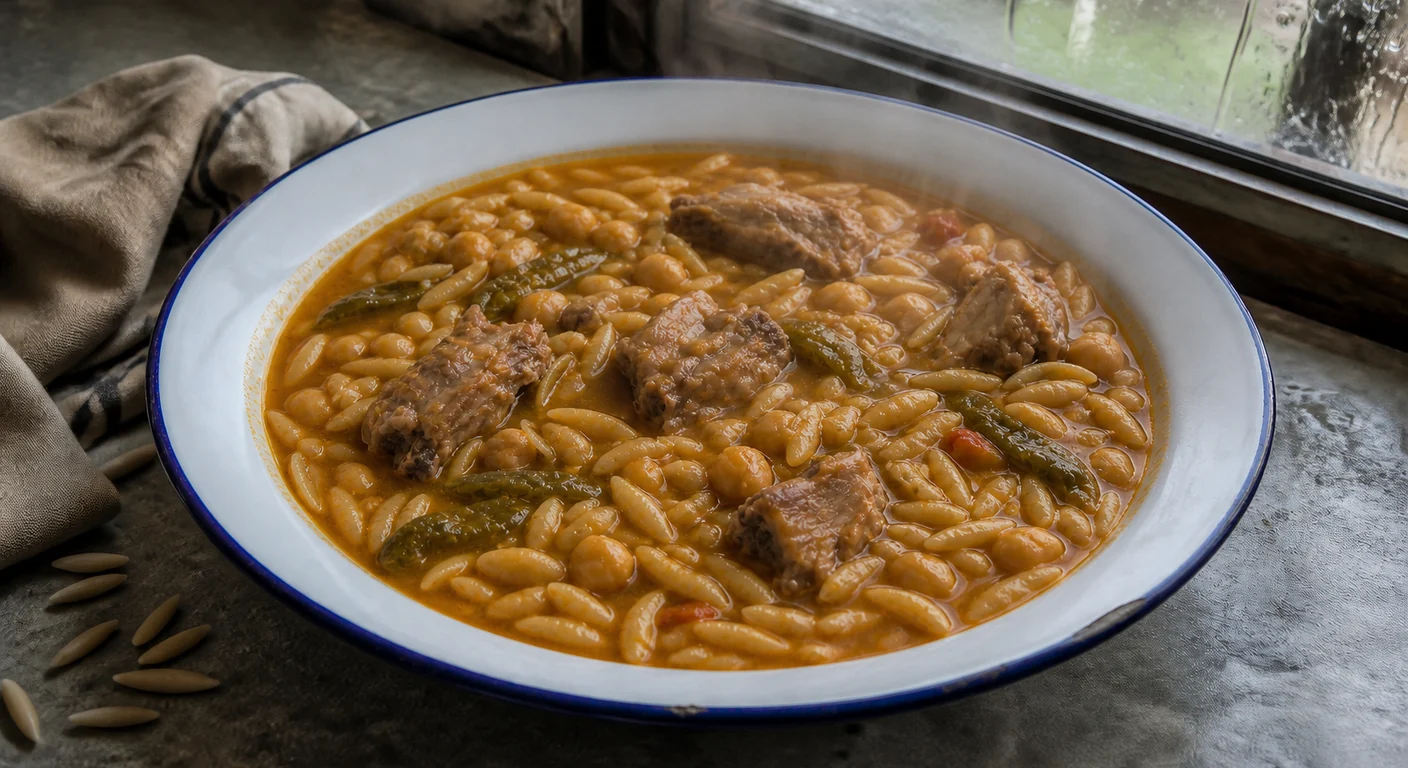
Gurullos are tiny spindle-shaped grains of handmade pasta, stewed with rabbit, chickpeas, sofrito and roasted pepper. The dish should arrive brothy, before the pasta drinks up the liquid.
Young kid goat simmers slowly in the Almería ajillo, a sauce of almonds, bread, garlic, pimentón and spices. The meat turns tender, the juices concentrate, and the dish unfolds a rustic, festive intensity.
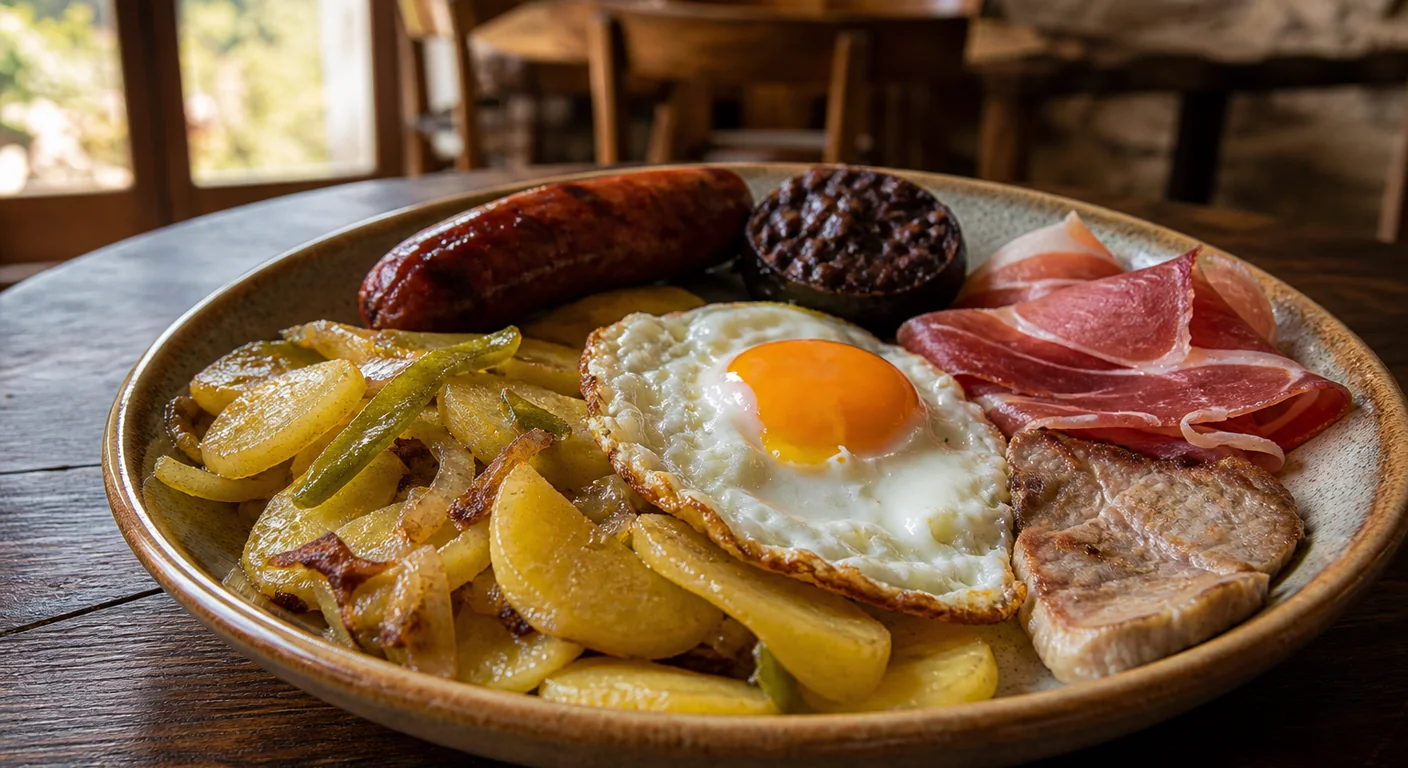
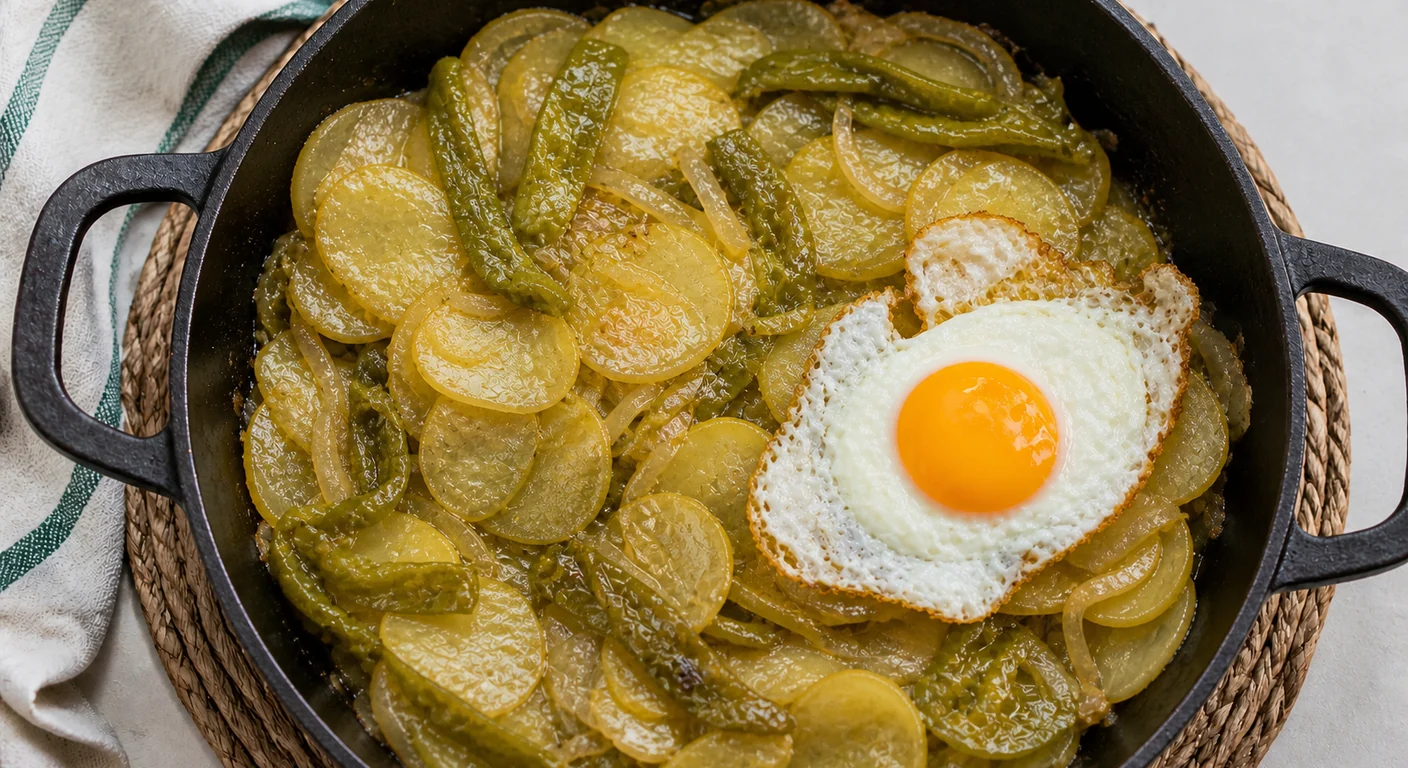
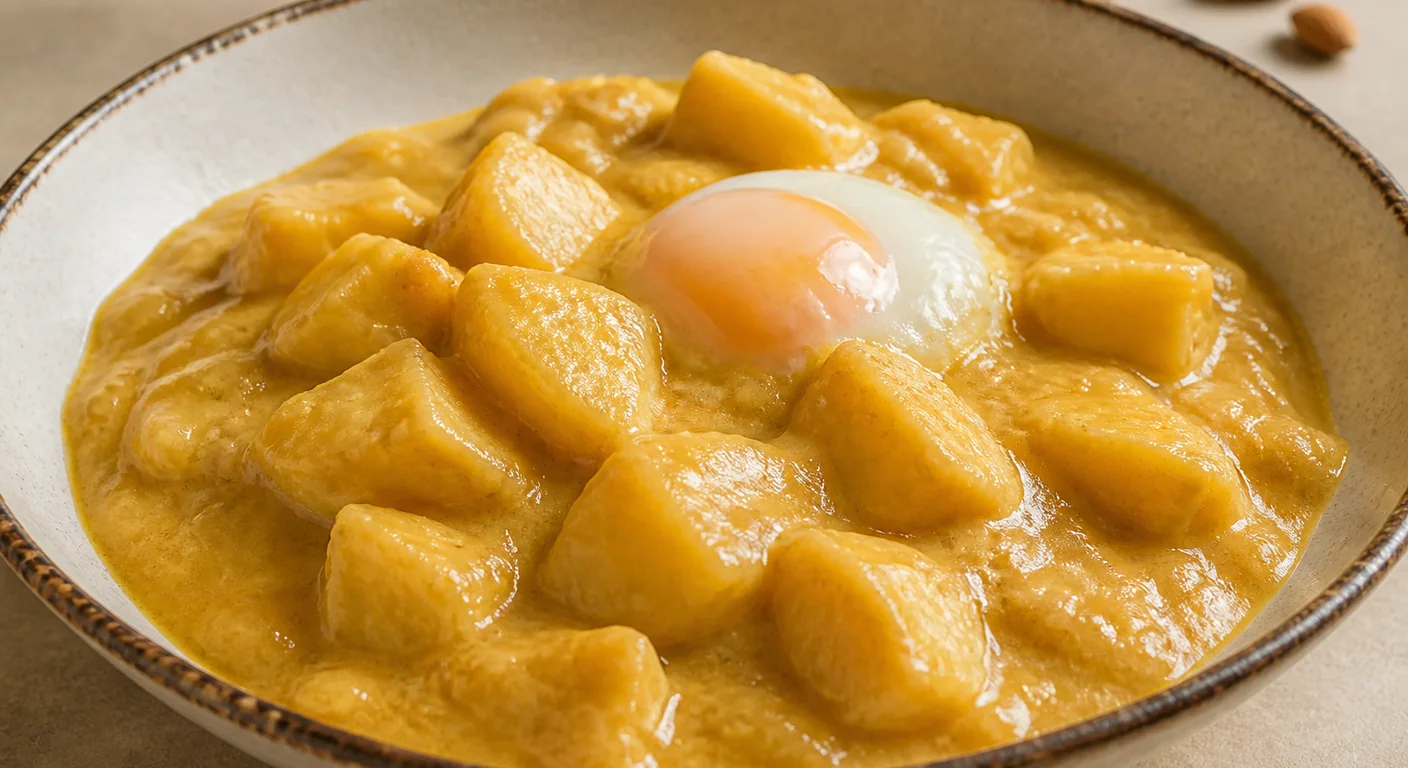
Thin potato rounds cooked slowly under a lid with green pepper, onion and olive oil. Supple, juicy and lightly golden, they are served alone, with a fried egg or beside a piece of meat.
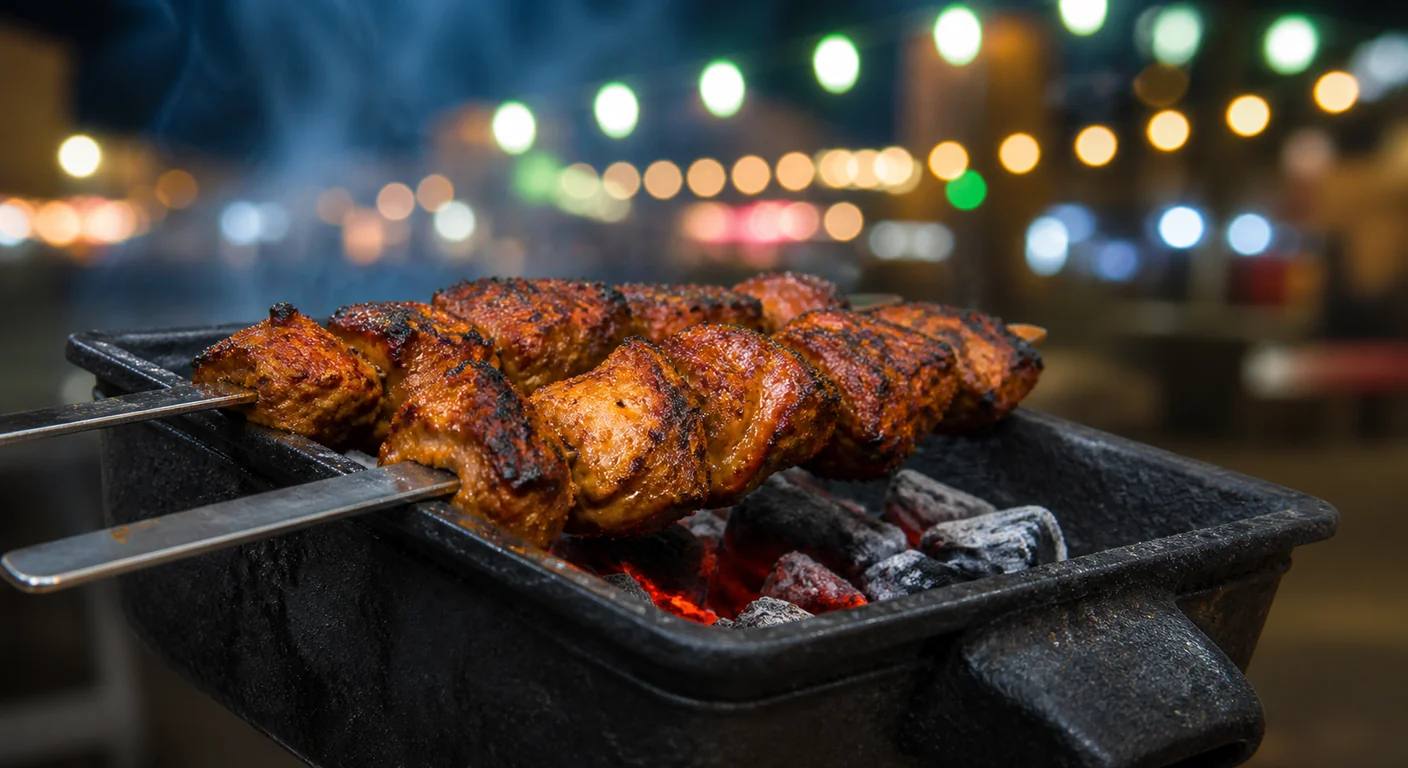
Pieces of meat marinated with cumin, pimentón and aromatics, packed onto a small skewer and seared over the fire. Smoky, juicy and highly fragrant, the pinchito is a classic of Almería's bars.
A naturally marbled cut of pork, seared whole over embers or on the griddle and sliced at the last moment. Its melting fat feeds a golden crust and remarkably juicy flesh, made for sharing.
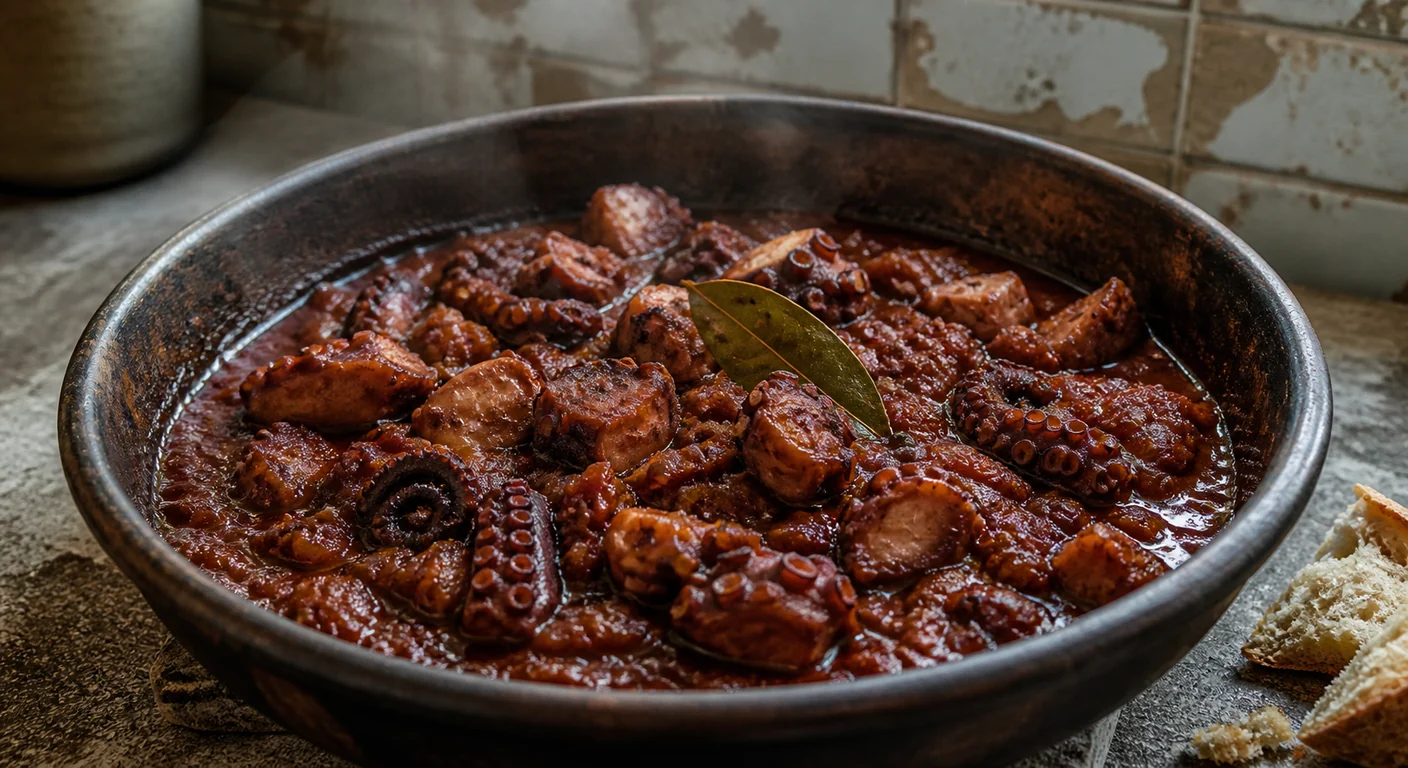
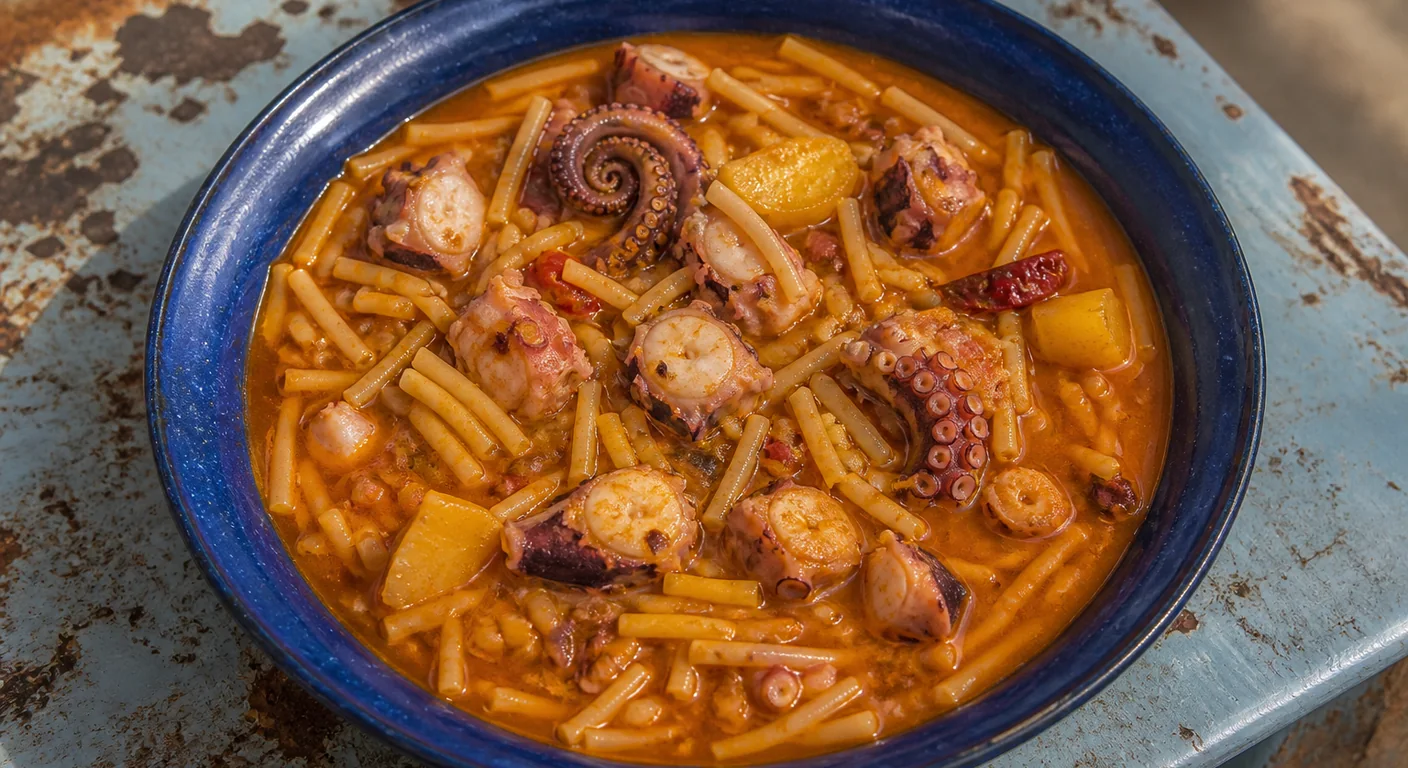
This La Chanca stew slowly cooks octopus, onion, tomato, garlic, bay leaf and wine in a single pot. The dark, concentrated sauce calls for bread, sometimes potatoes, and a drink with character.
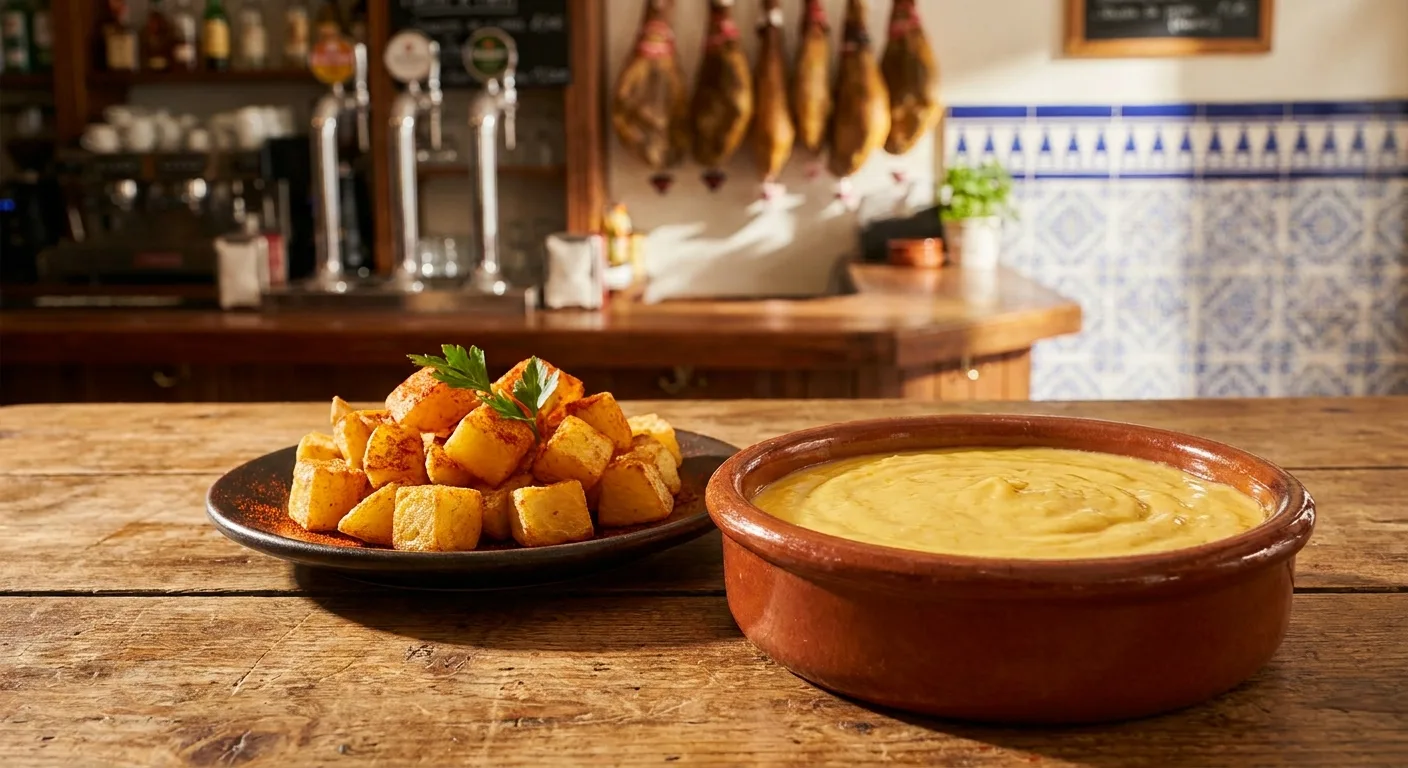
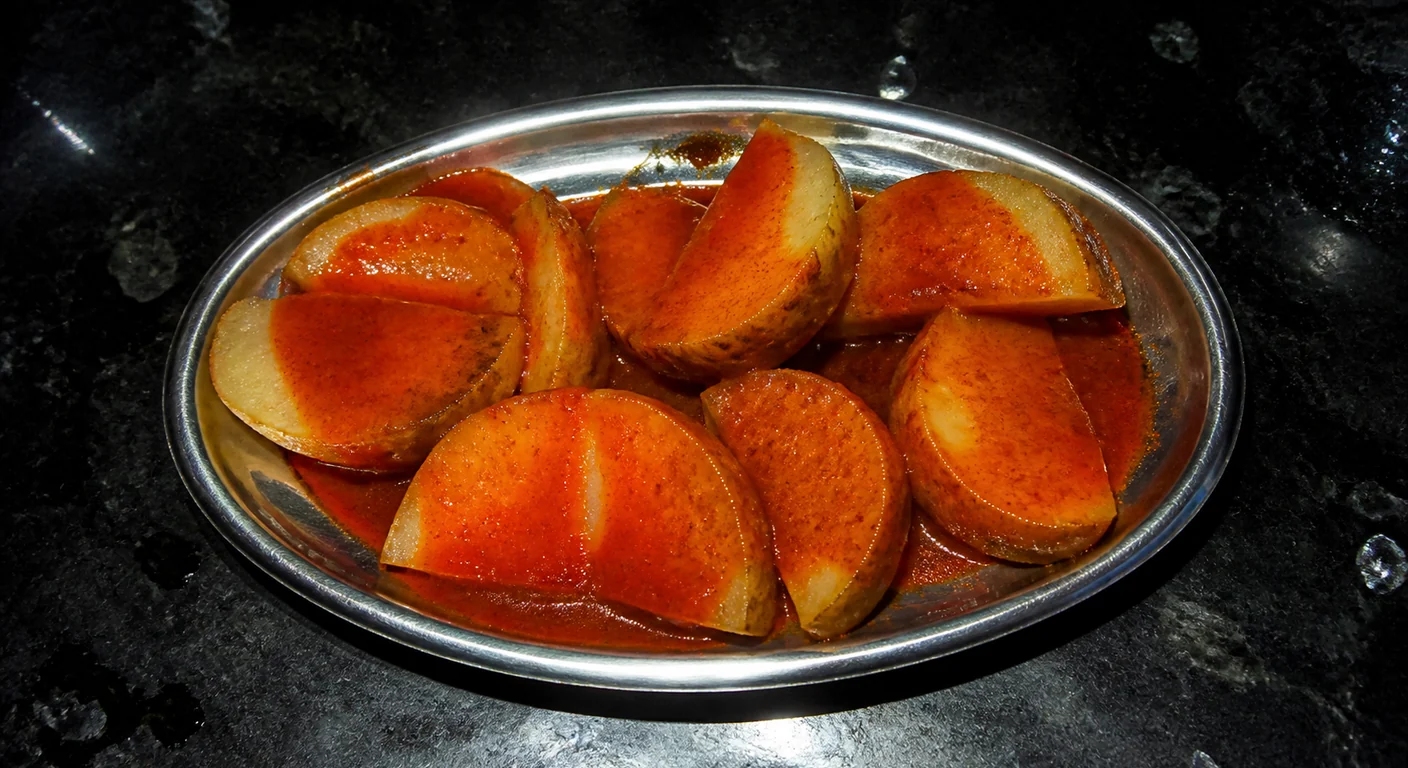
In Almería, the historic bravas take large pieces of potato, melting inside and lightly golden, with a rather loose red sauce. The customer picks the heat: moderada, picante or cargada.
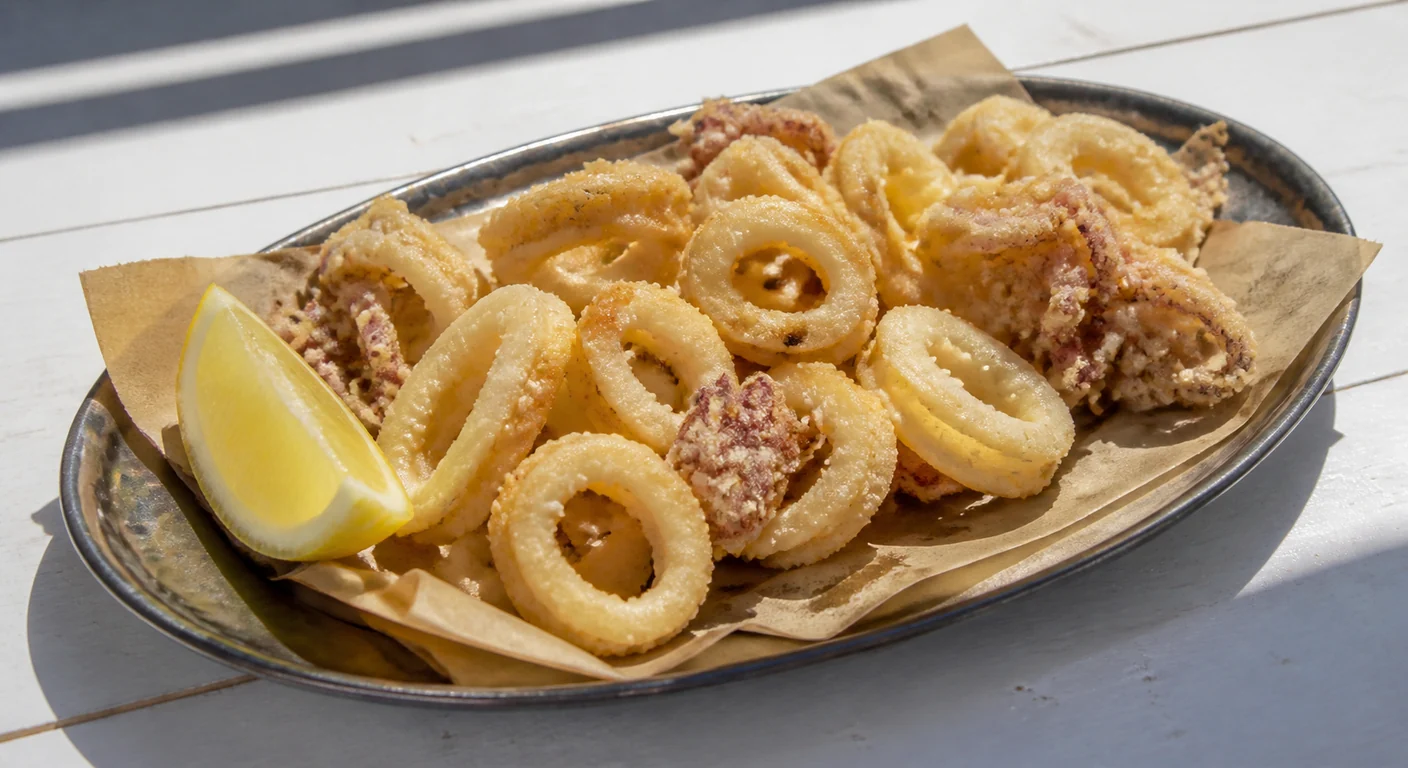
Well-dried squid rings, barely floured and fried in small batches in very hot oil. The crust stays thin and golden, the flesh tender, and a lemon wedge is all they need.
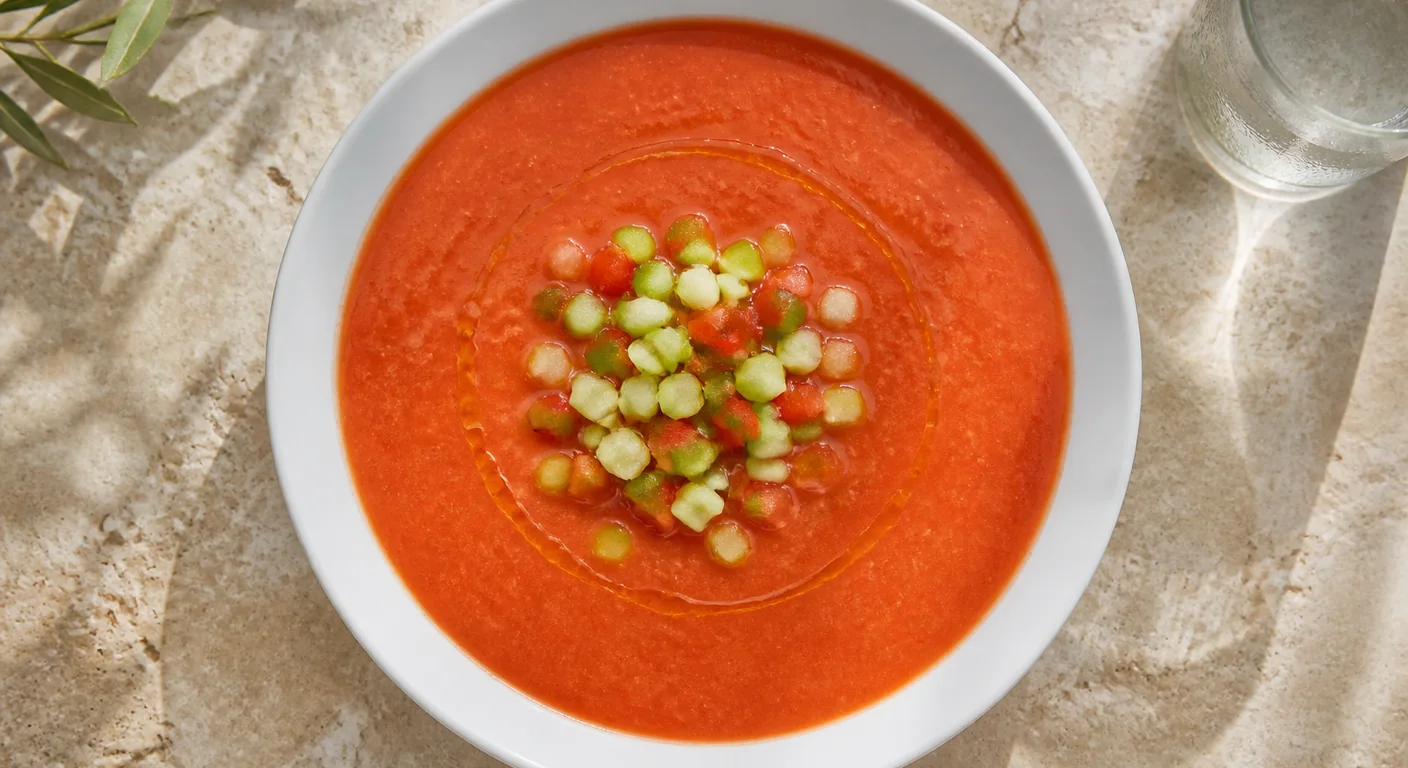
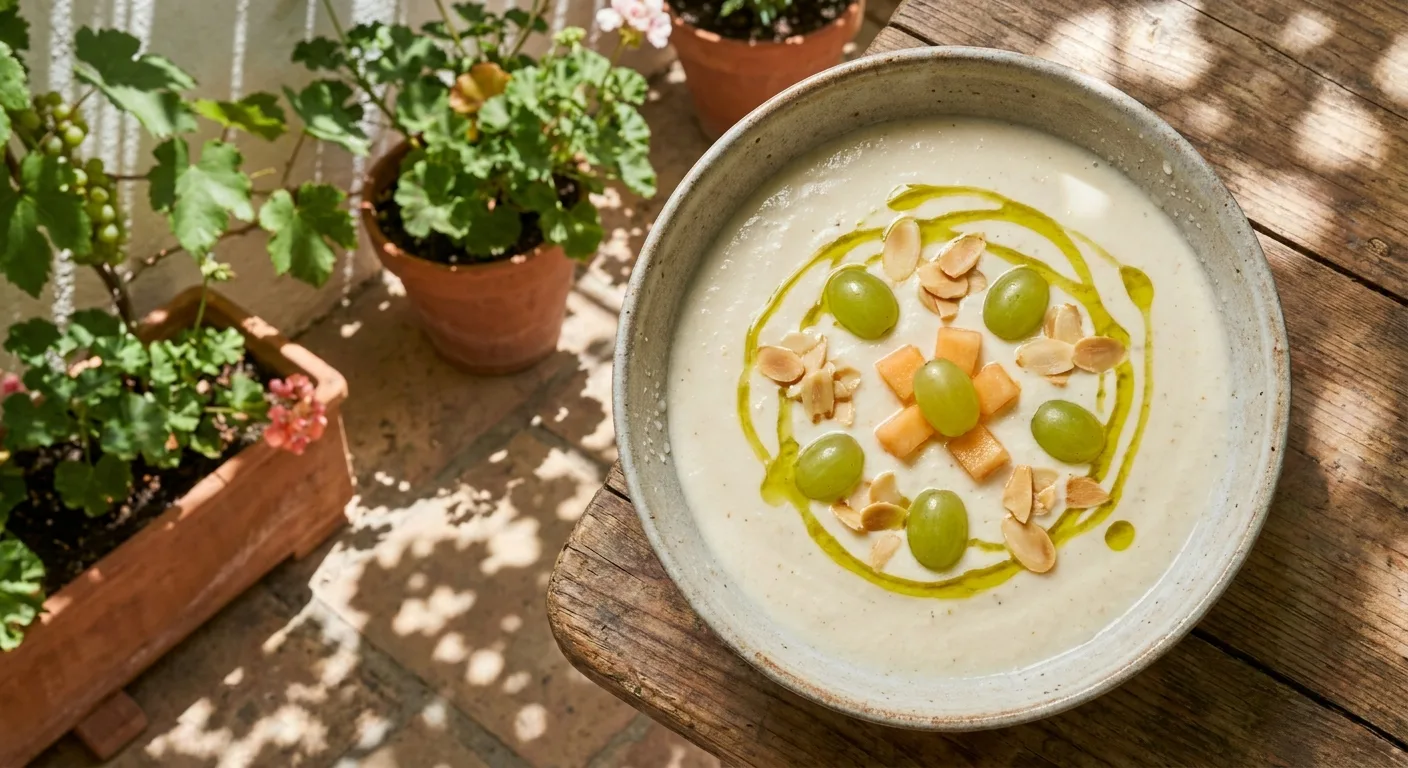
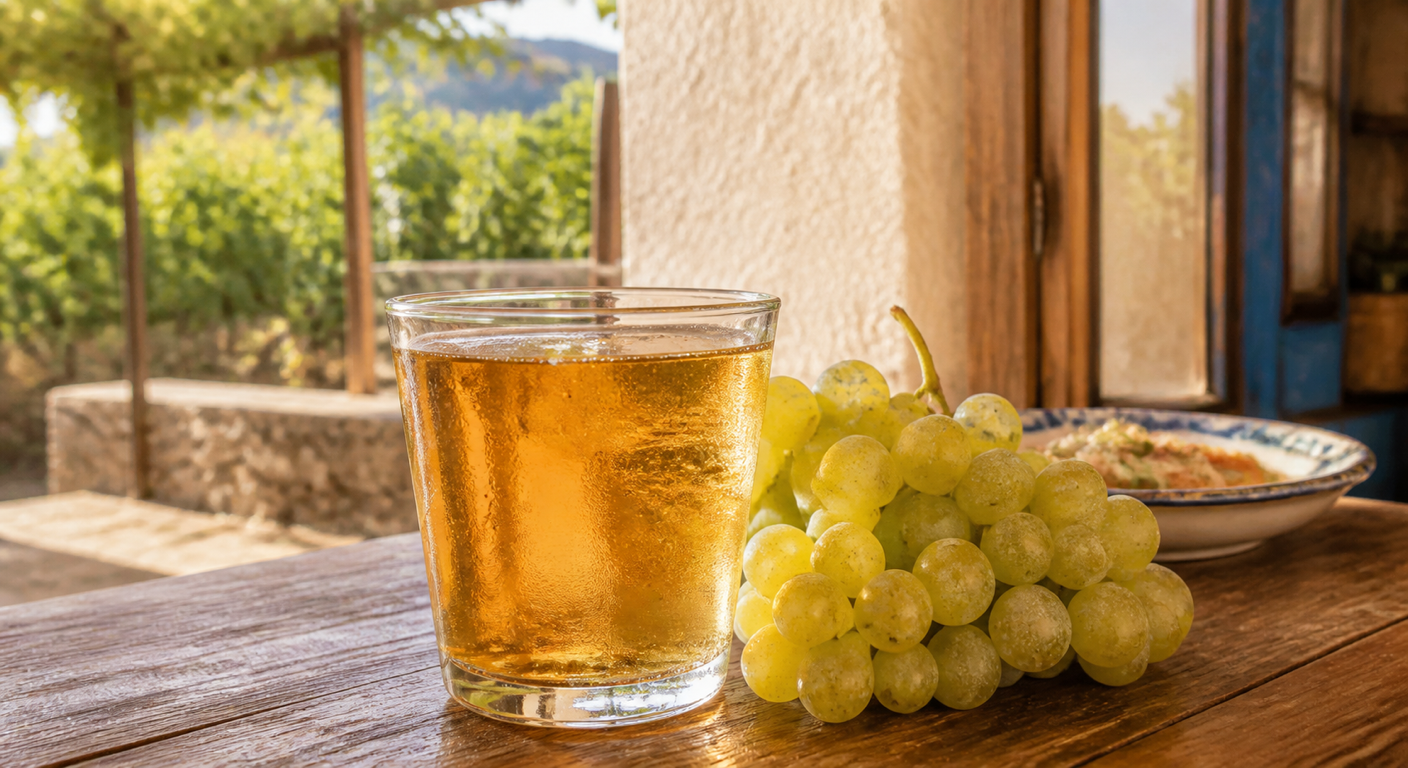
The ancestral "white gazpacho": bread, almonds, garlic and olive oil, served ice-cold with grapes. A shared Andalusian heritage, well documented in the province of Almería too.
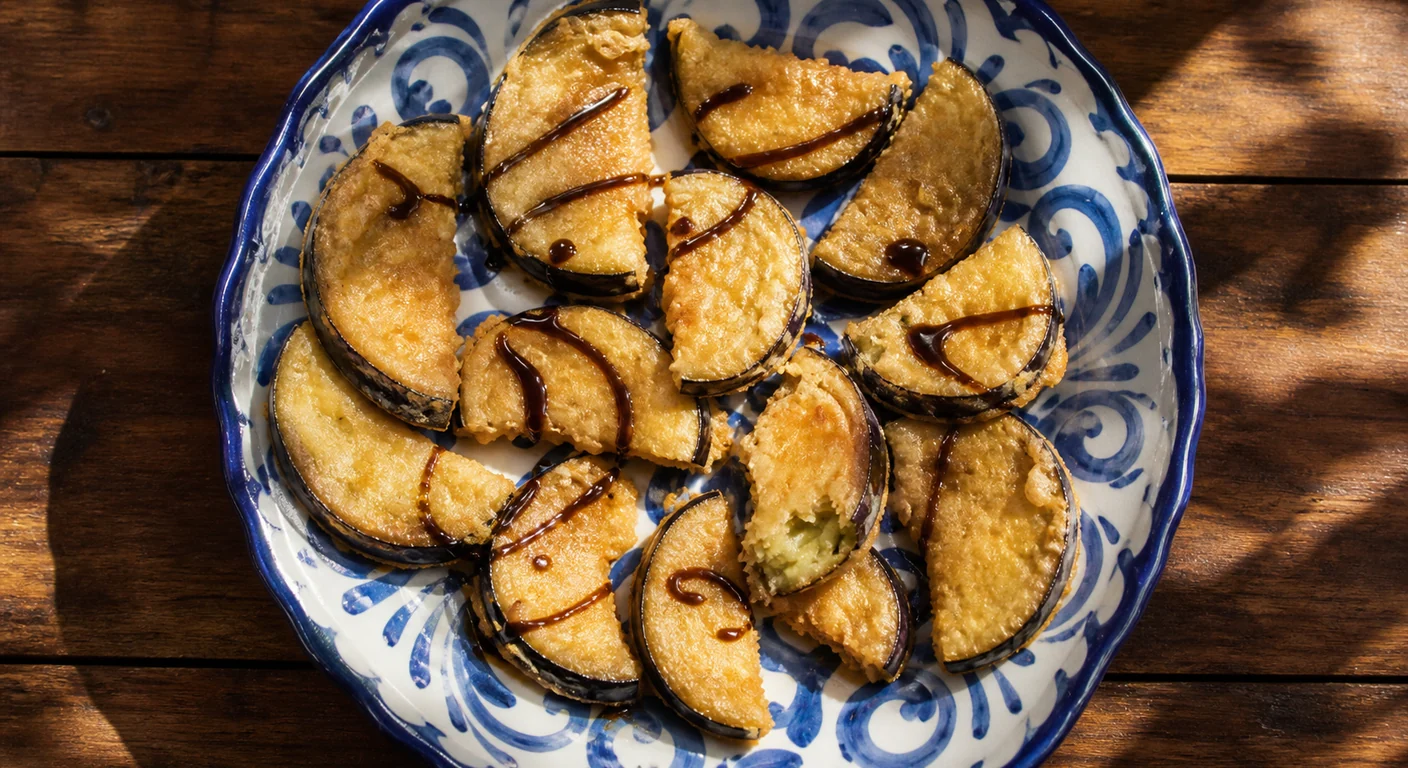
Slices or batons of aubergine floured and fried until light, finished with thin threads of cane molasses. The dark syrup brings a liquorice-tinged sweetness that plays against the salt and the hot crust.
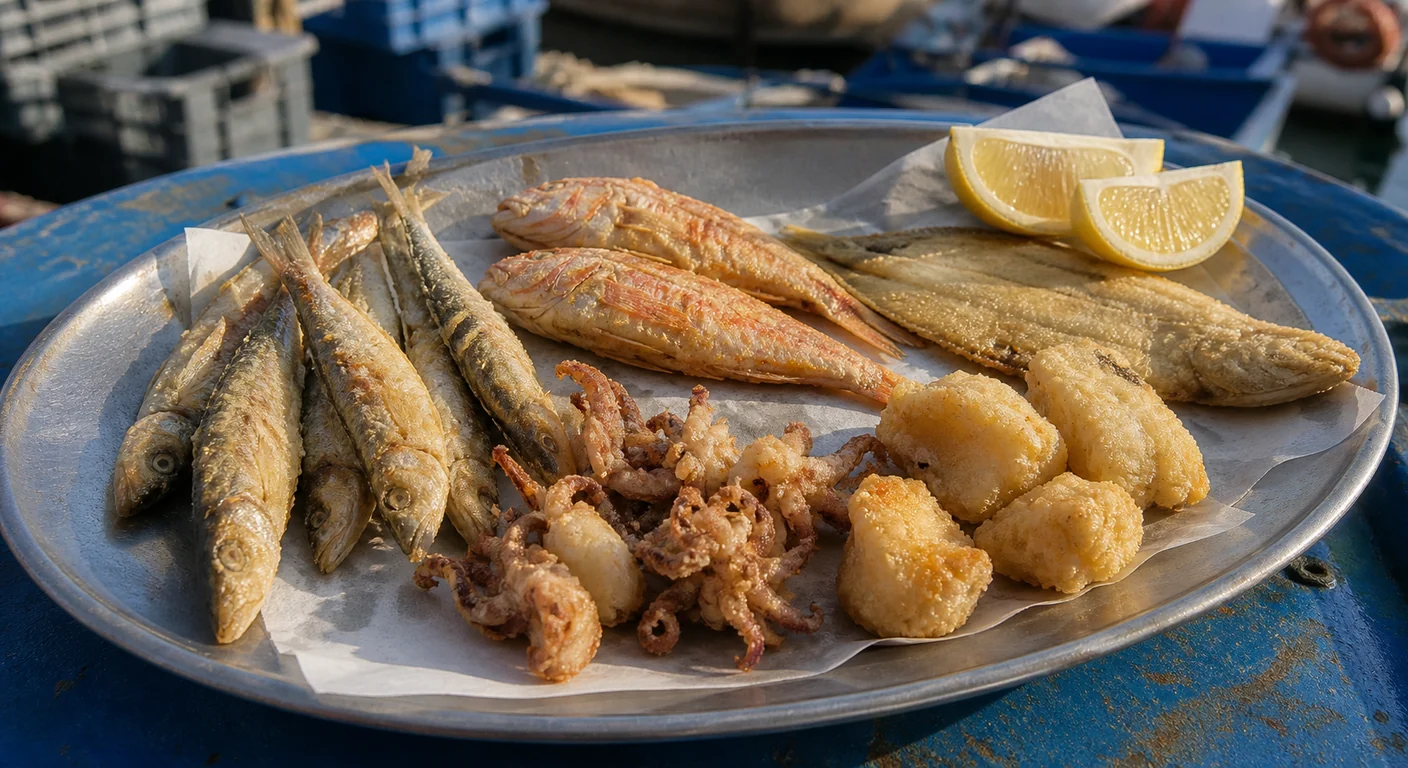
An assortment of small fish and cephalopods lightly floured, fried in very hot oil and served at once. Boquerones, red mullet, acedías or puntillitas make up a changing, crisp and deeply Andalusian plate.
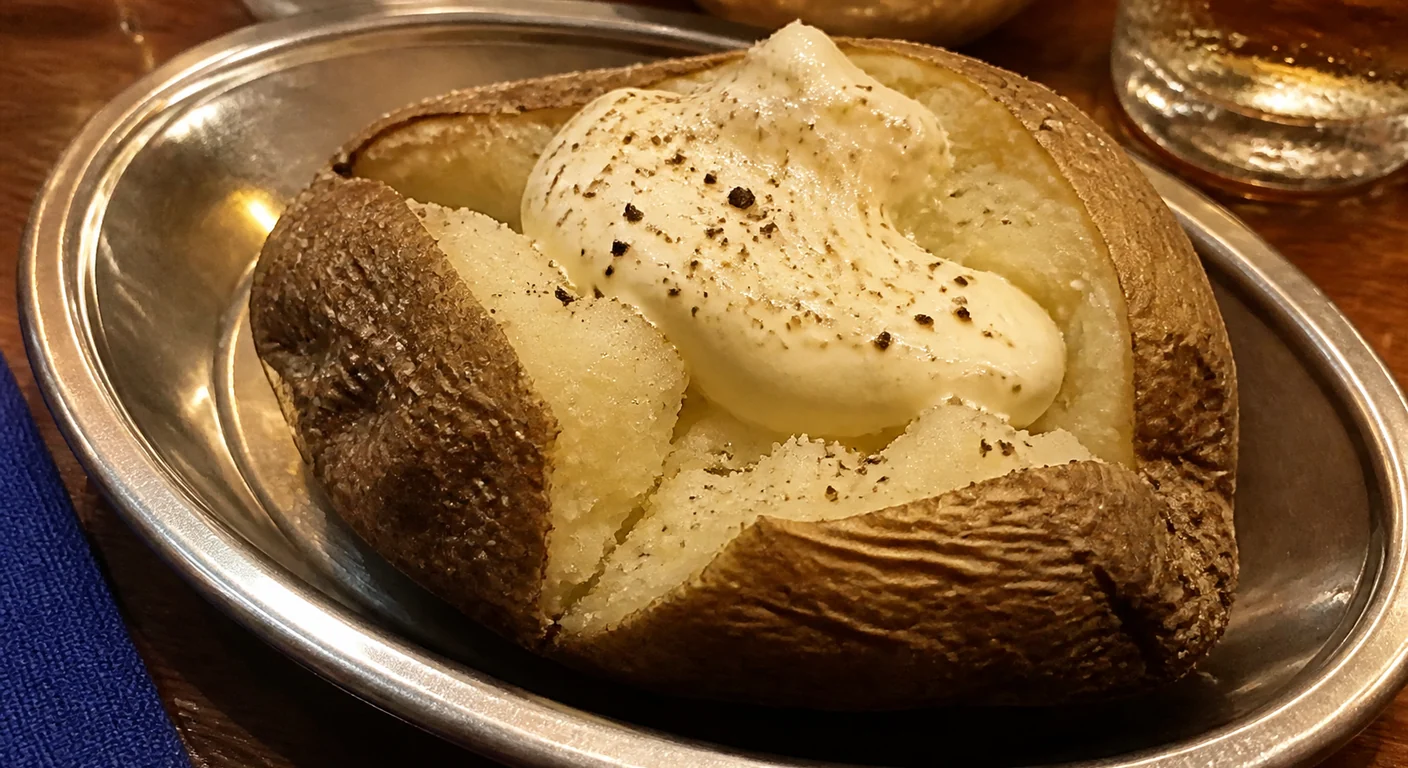
Potatoes roasted until golden outside and melting within, served with a creamy alioli that tastes frankly of garlic. A simple, generous bar tapa whose exact form varies with the establishment.
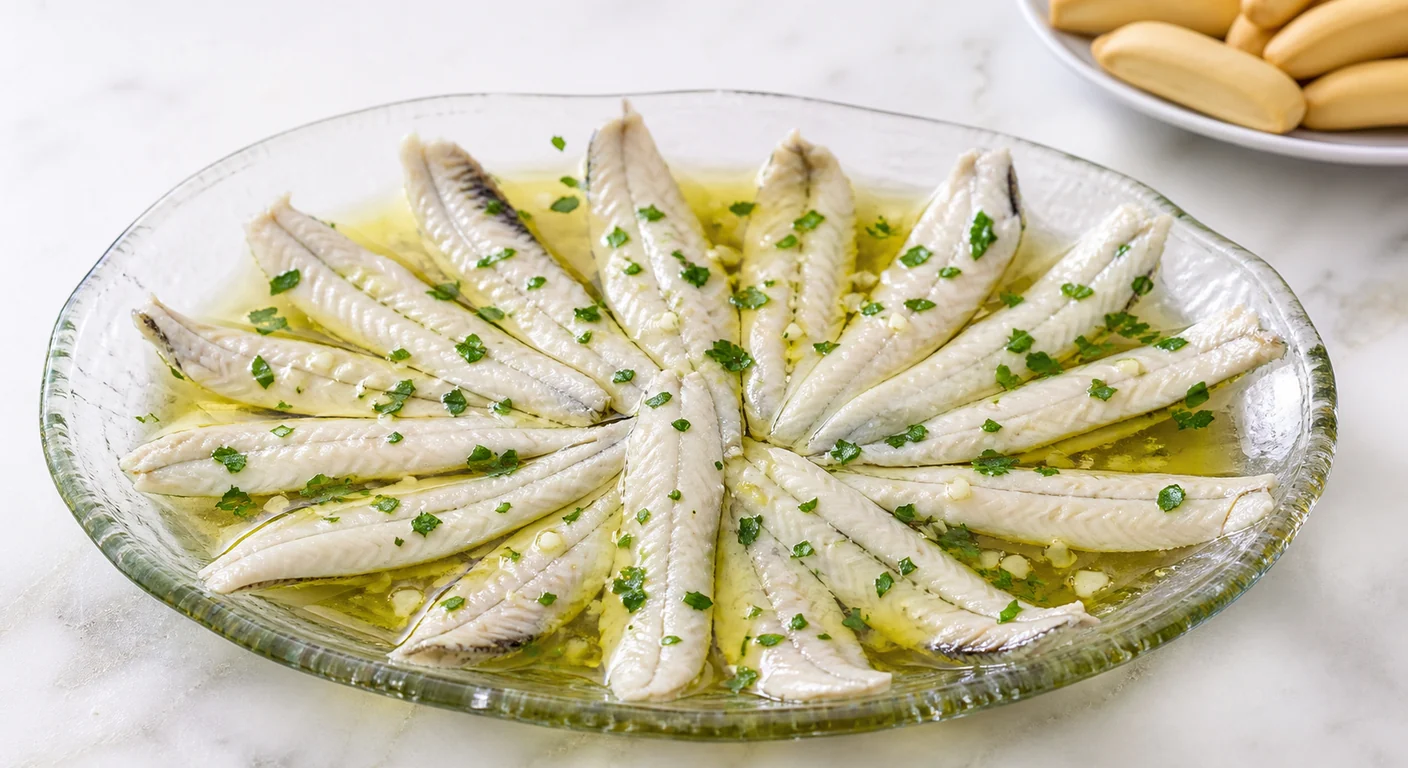
Fresh anchovy fillets opened flat, whitened by a vinegar marinade then coated with olive oil, garlic and parsley. A cold, firm, glistening tapa whose freshness demands rigorous food-safety handling.
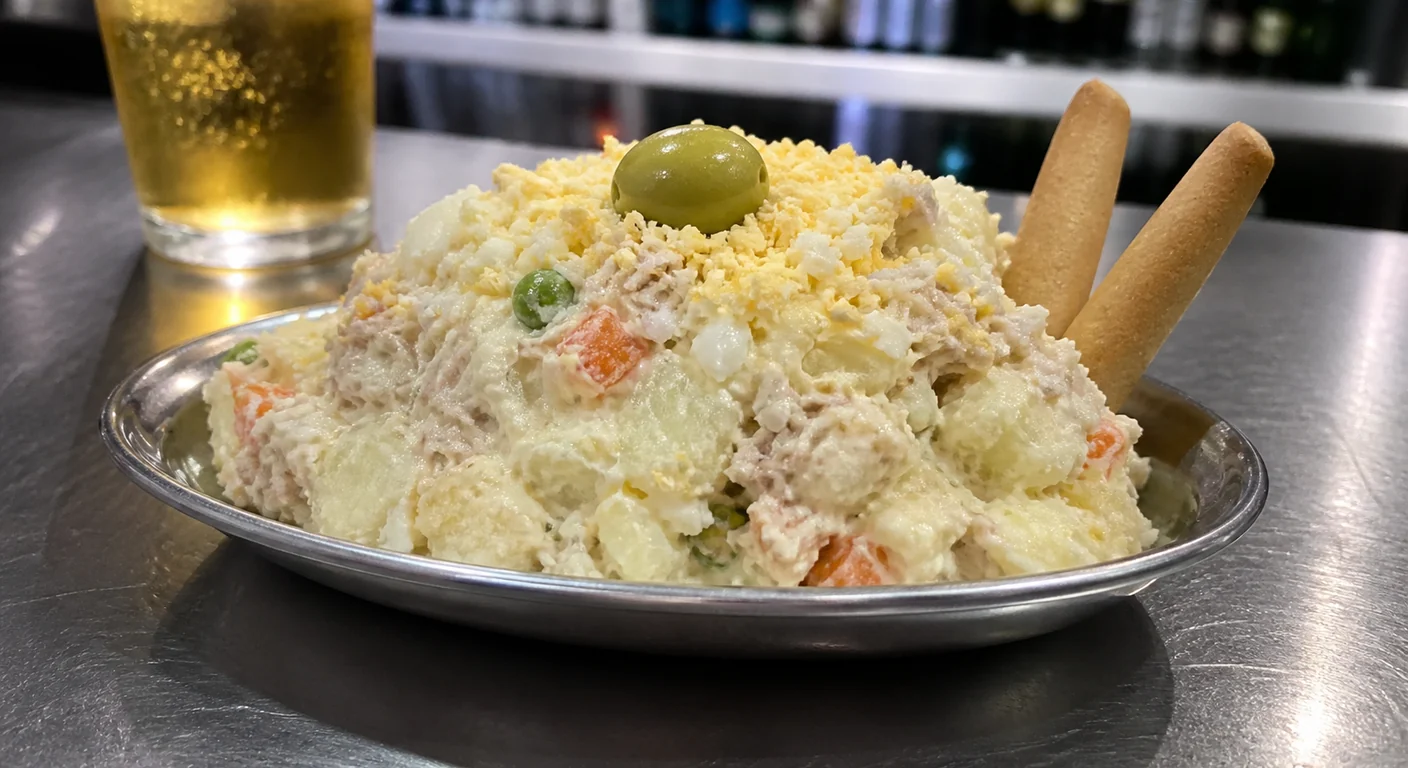
Tender potatoes, mayonnaise, tuna and finely cut vegetables make up this indispensable cold tapa. Hard-boiled egg, peas, carrot or olives change with the house, but the texture must stay creamy and alive.
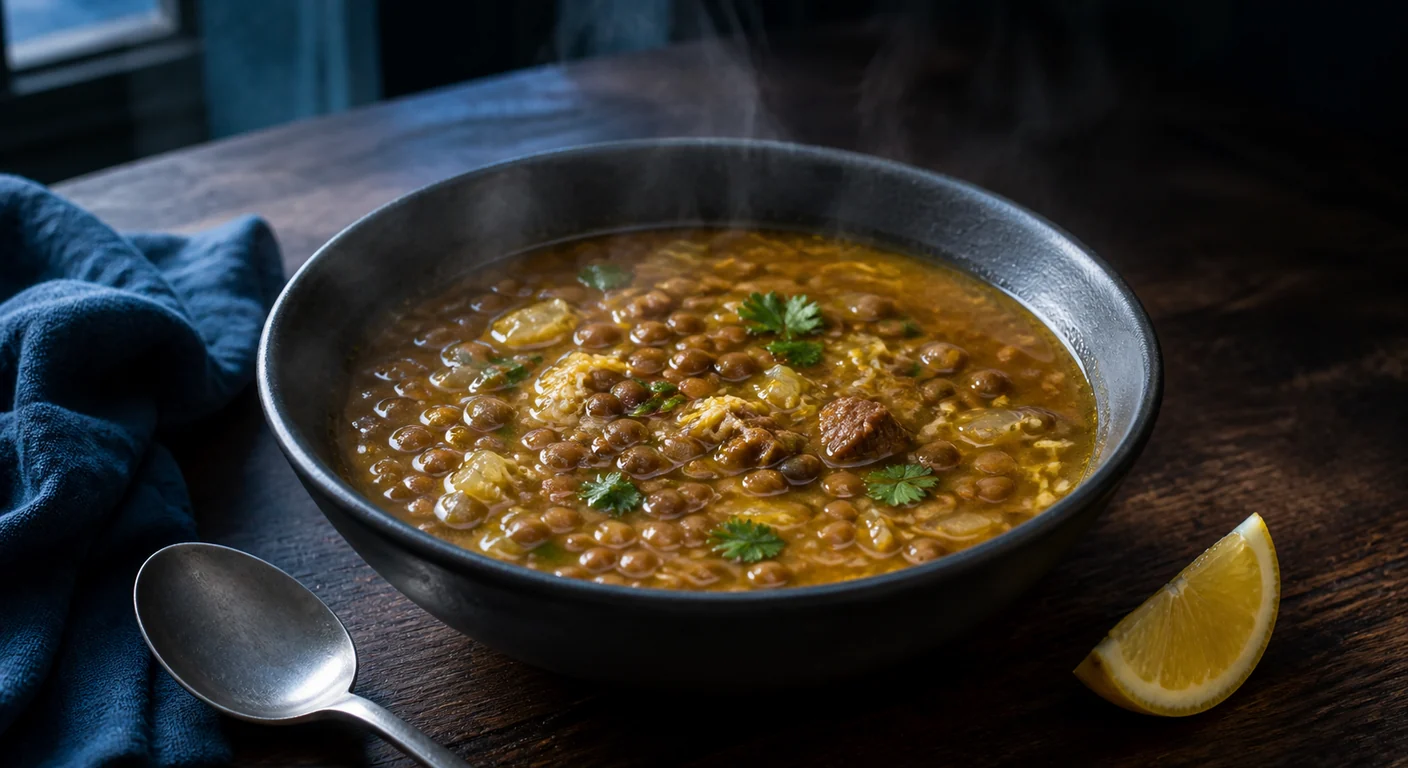
Several Almería soups travel under this name. An older formula joins meat, lentils, onion, coriander and saffron; recent versions add tomato, chickpeas, noodles and spices, with no single provincial recipe.
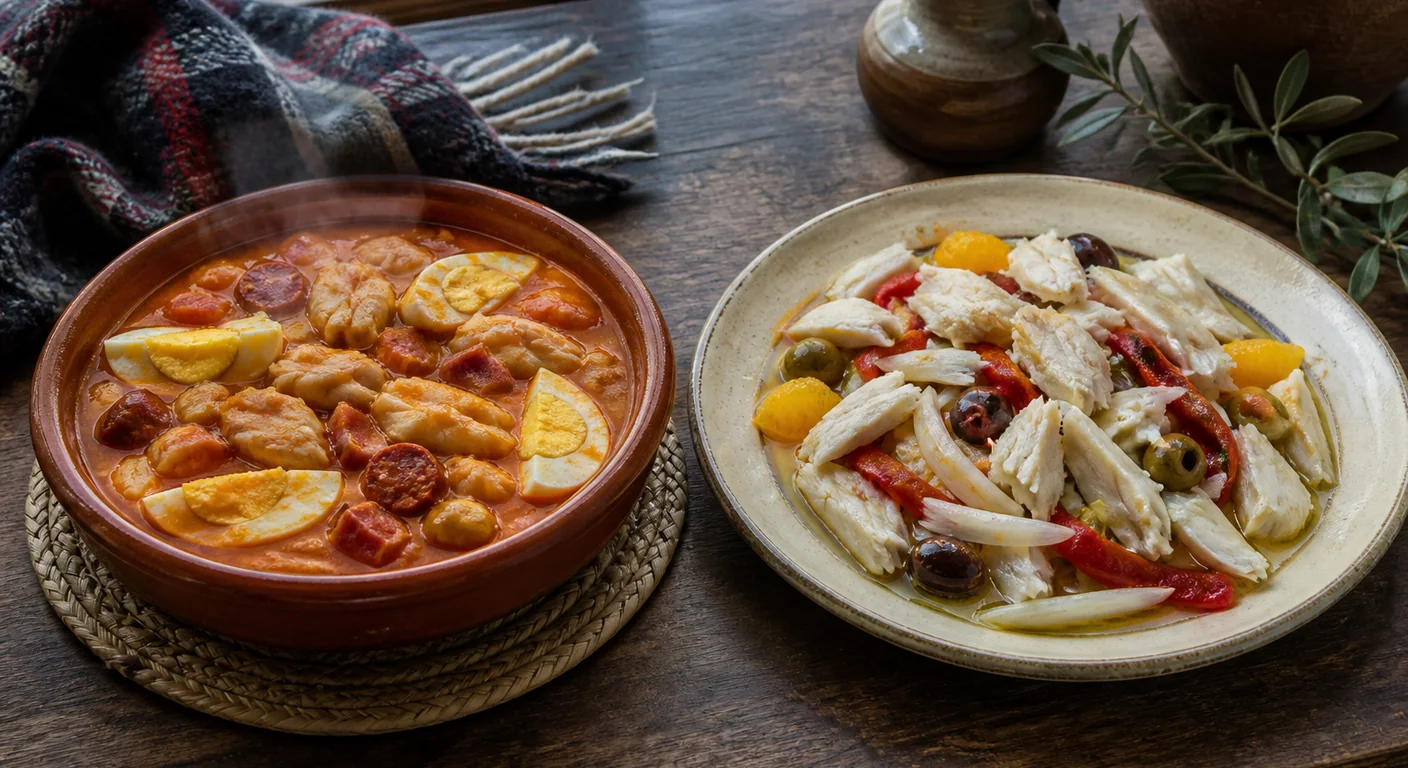
The canonical rin-ran of the Sierra de Cazorla mixes potato, dried pepper, cod, onion, olives and egg. In Almería the name tends instead to mean ajo colorao: an ambiguity to display, not a second speciality to duplicate.
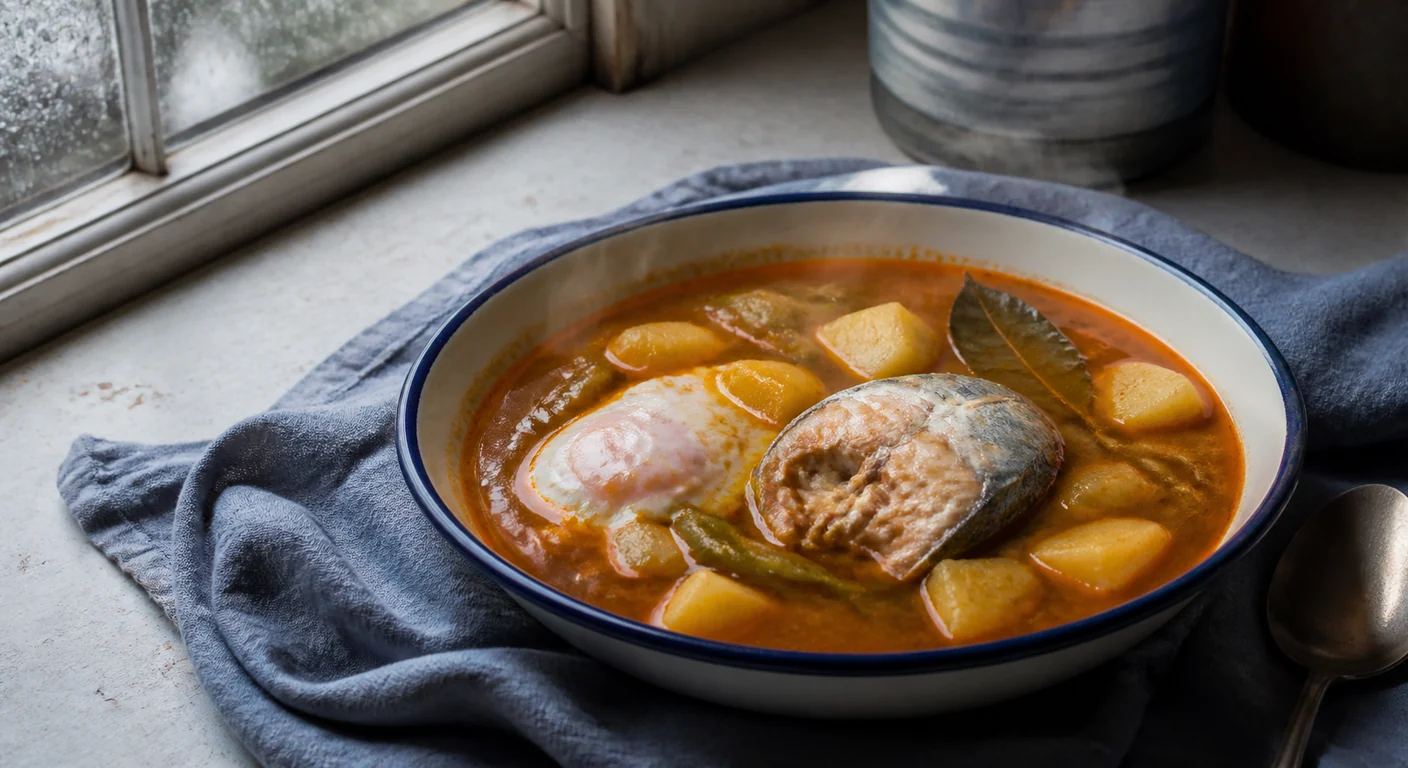
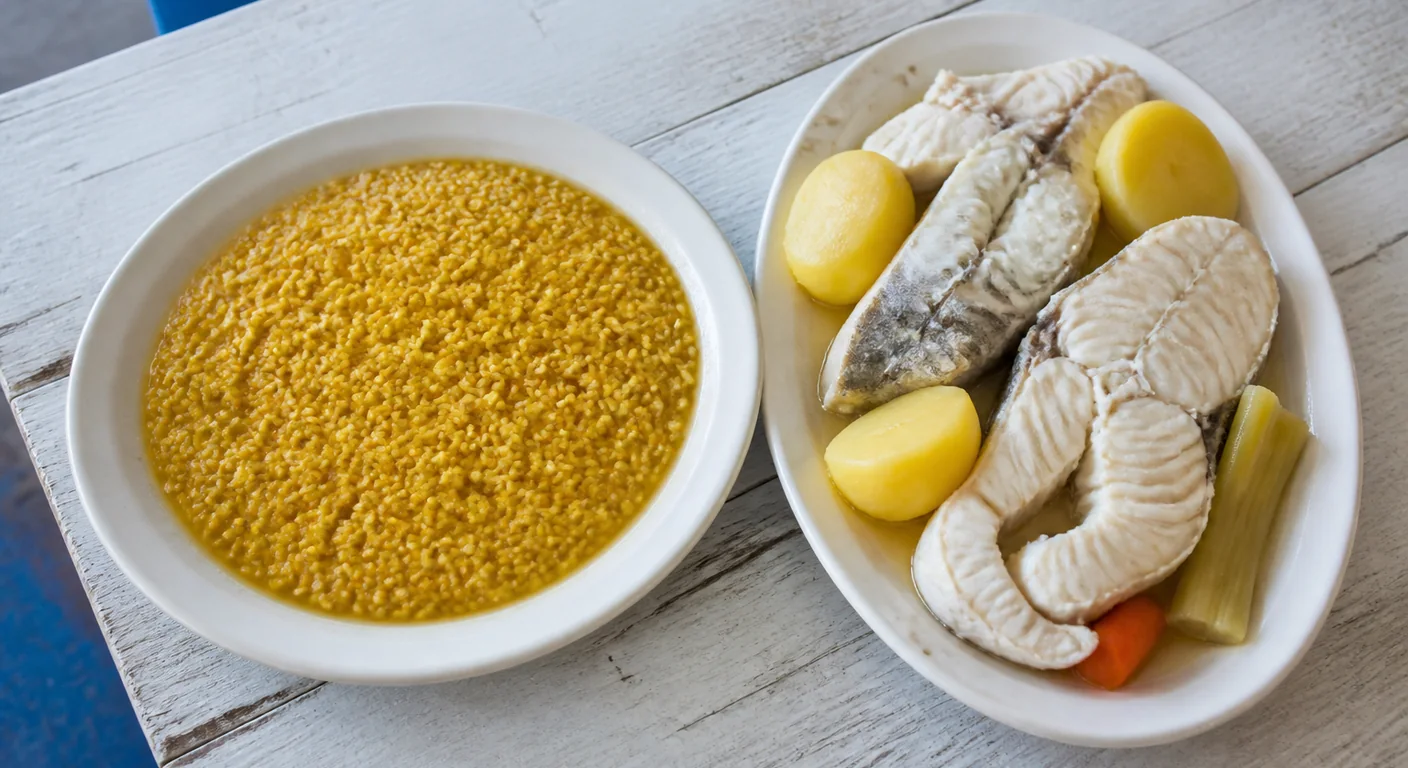
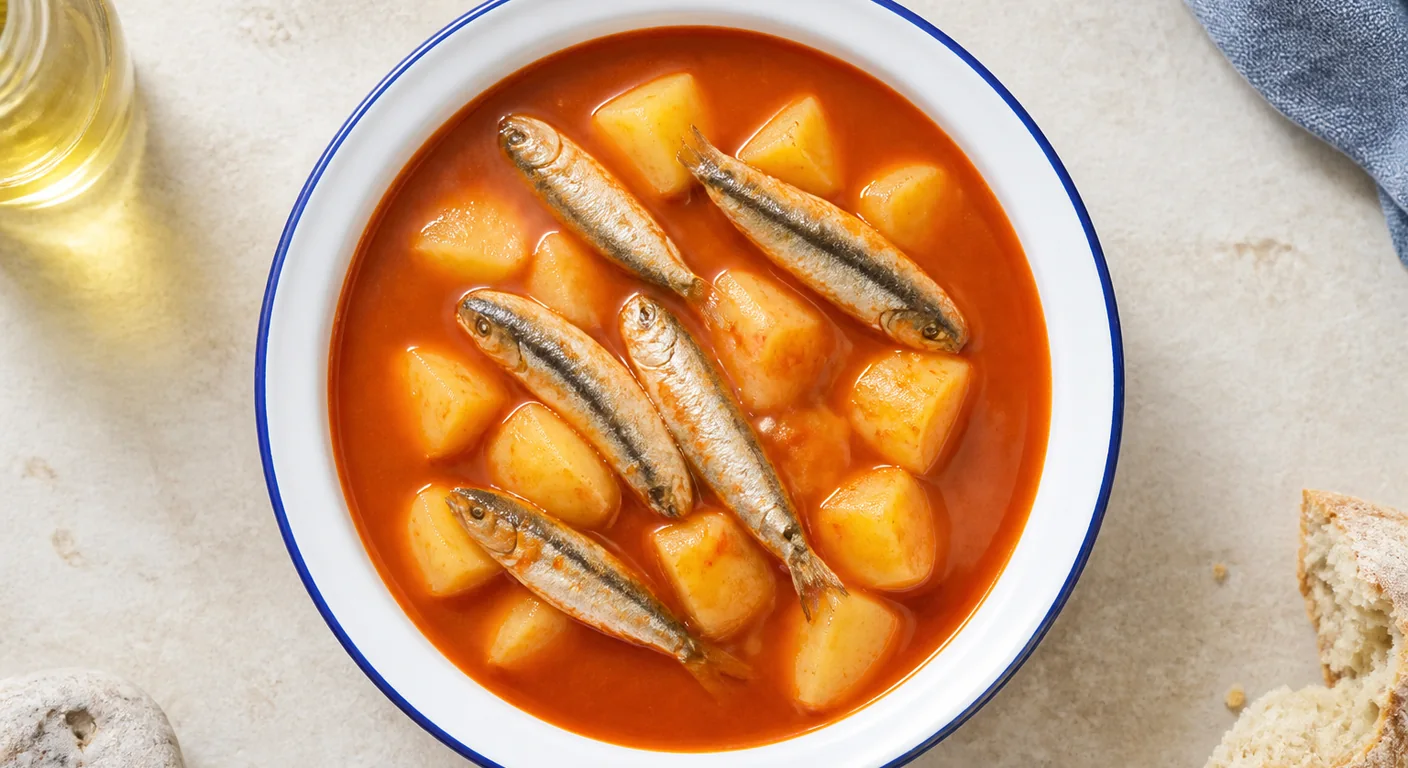
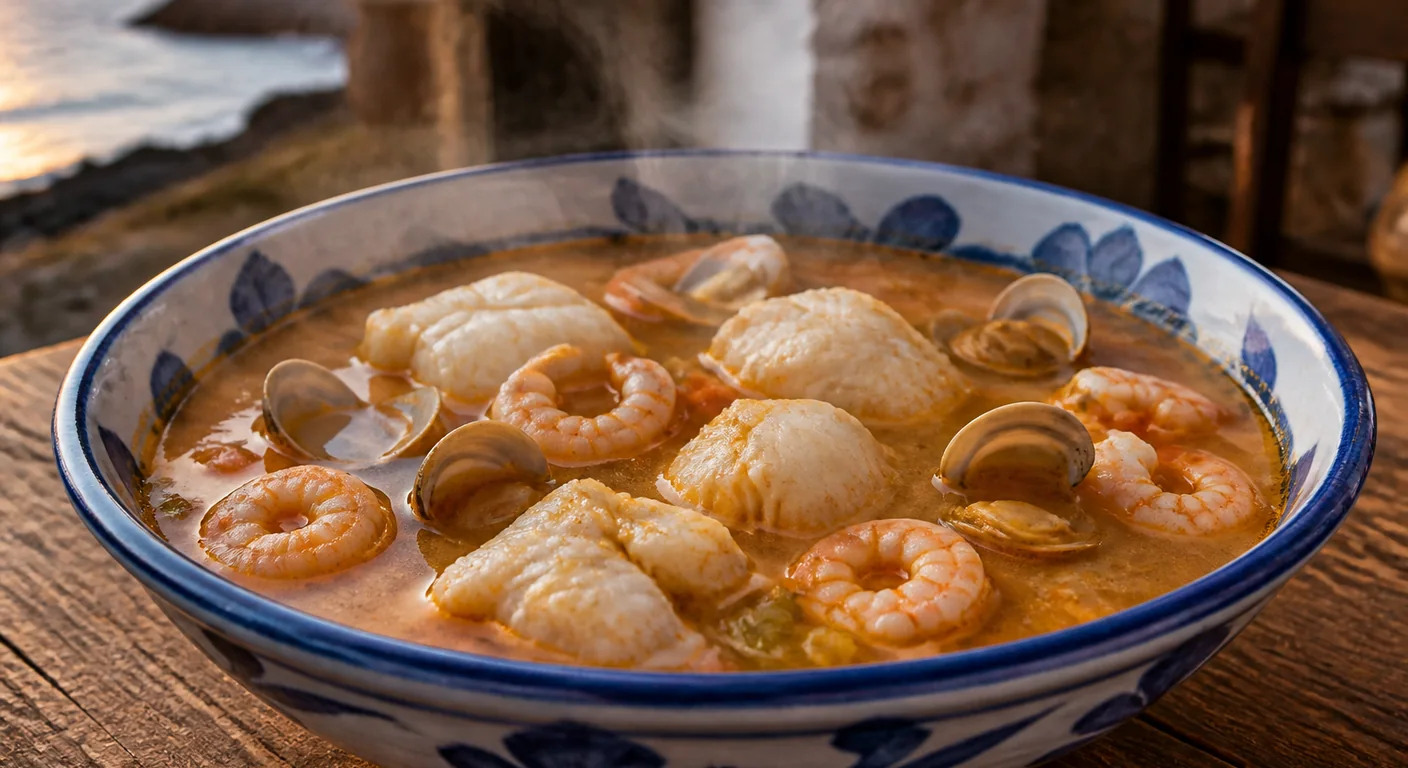
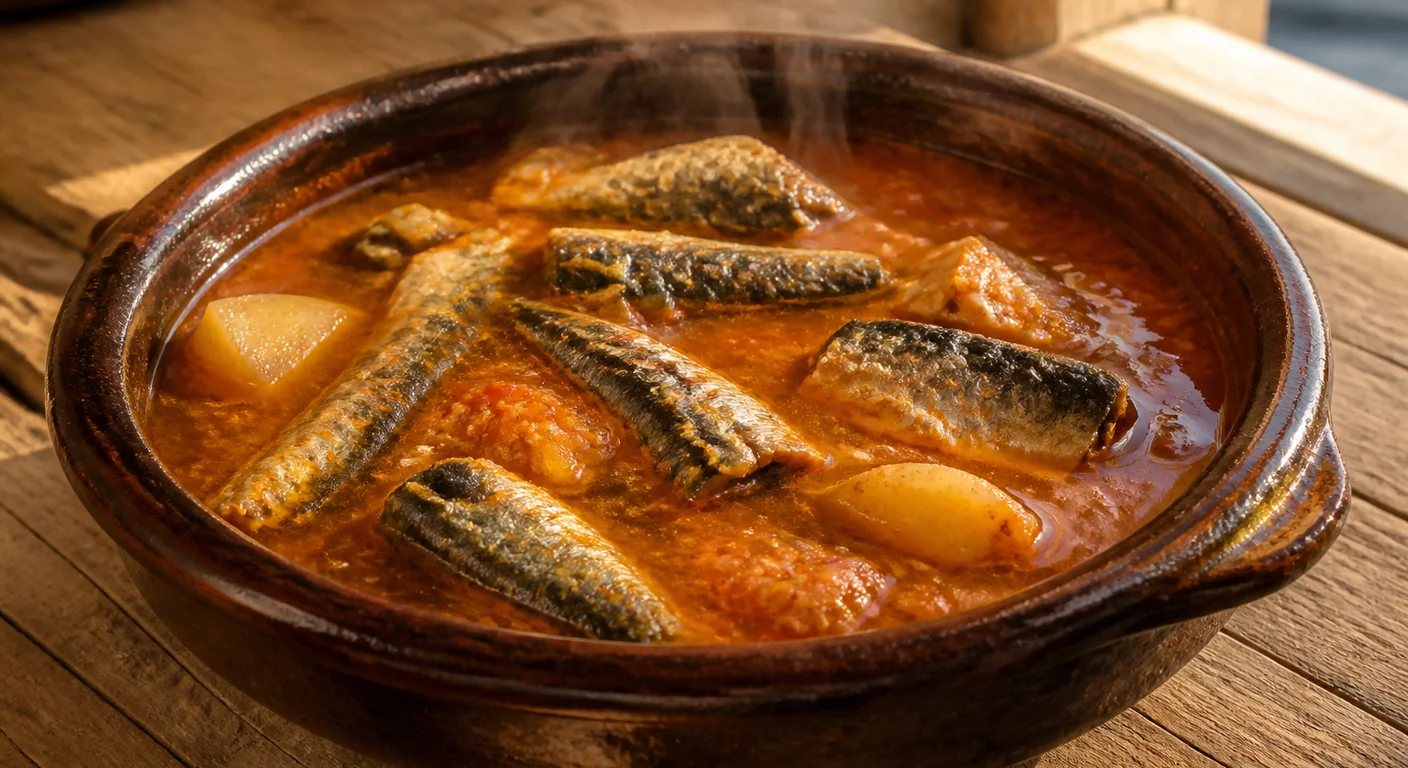
A family fish broth served very hot, enriched house by house with potato, tomato, pimentón, roasted pepper, mackerel or small fish. More than a single formula, it tells of the fishing kitchens of the Almería shore.
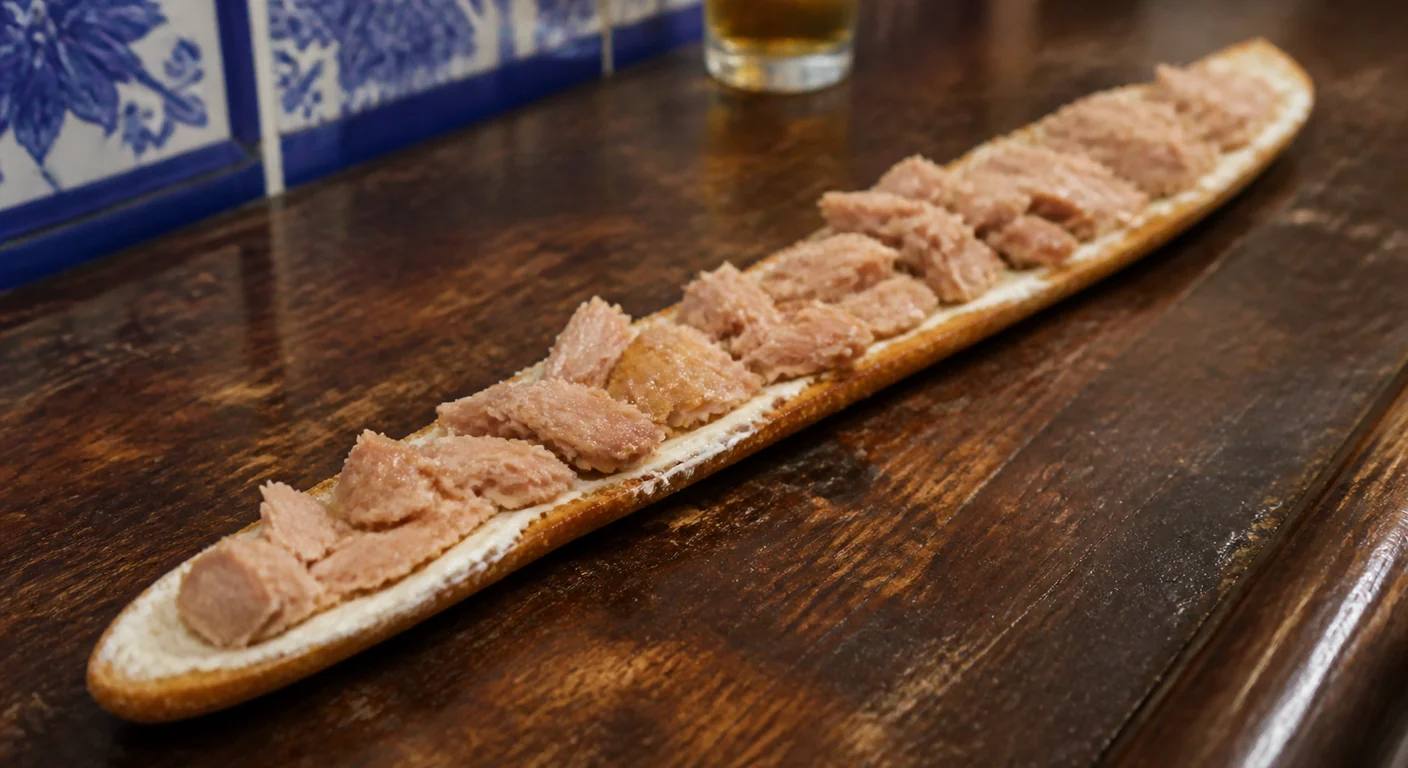
A thin slice of bread cut on the bias, toasted and topped with alioli and a savoury garnish: tuna, cooked ham or anchovies. A simple, immediate tapa, deeply tied to the bars of the capital.
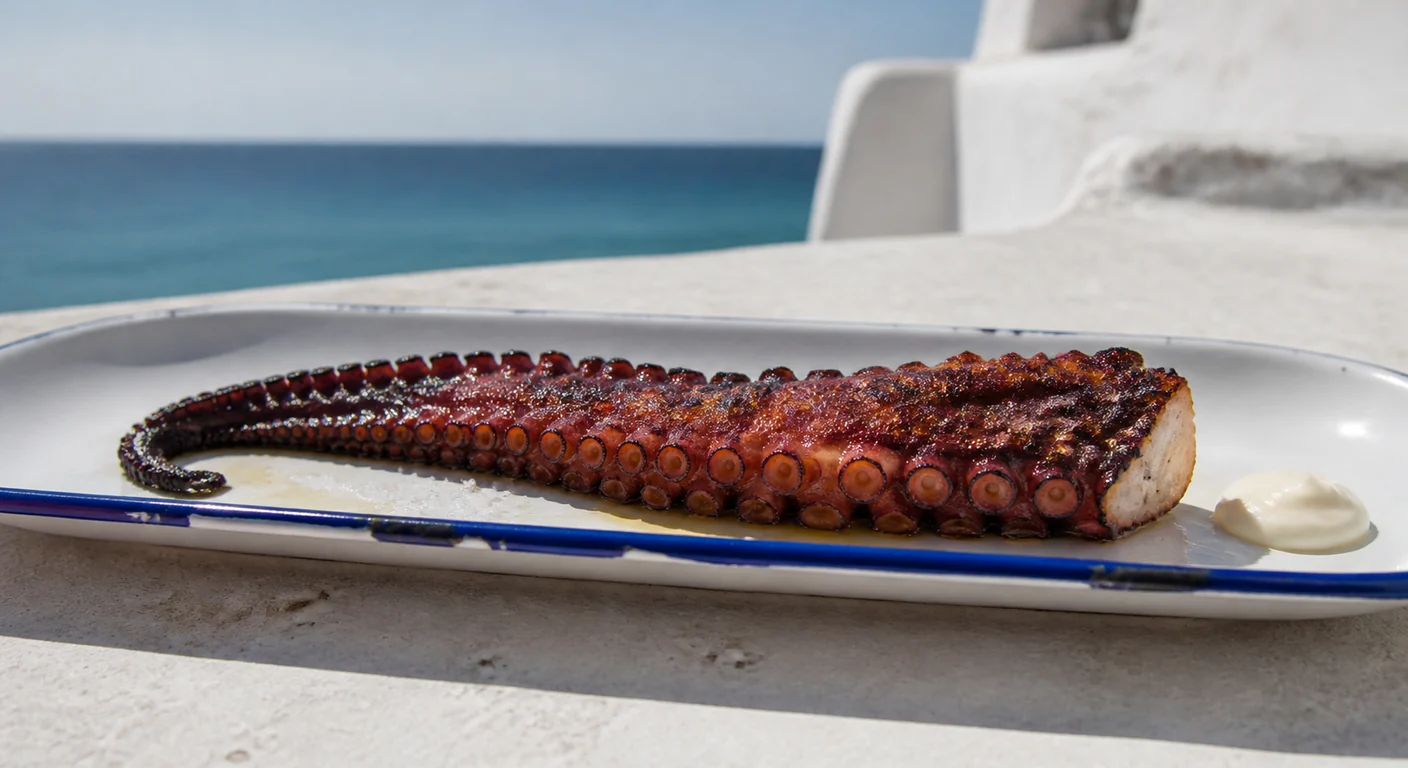
A familiar product of Almería's ports, octopus is served griddled, fried in little oil, dressed or folded into stews. Its tender flesh and caramelised suckers tell of a sober, generous coastal cuisine.
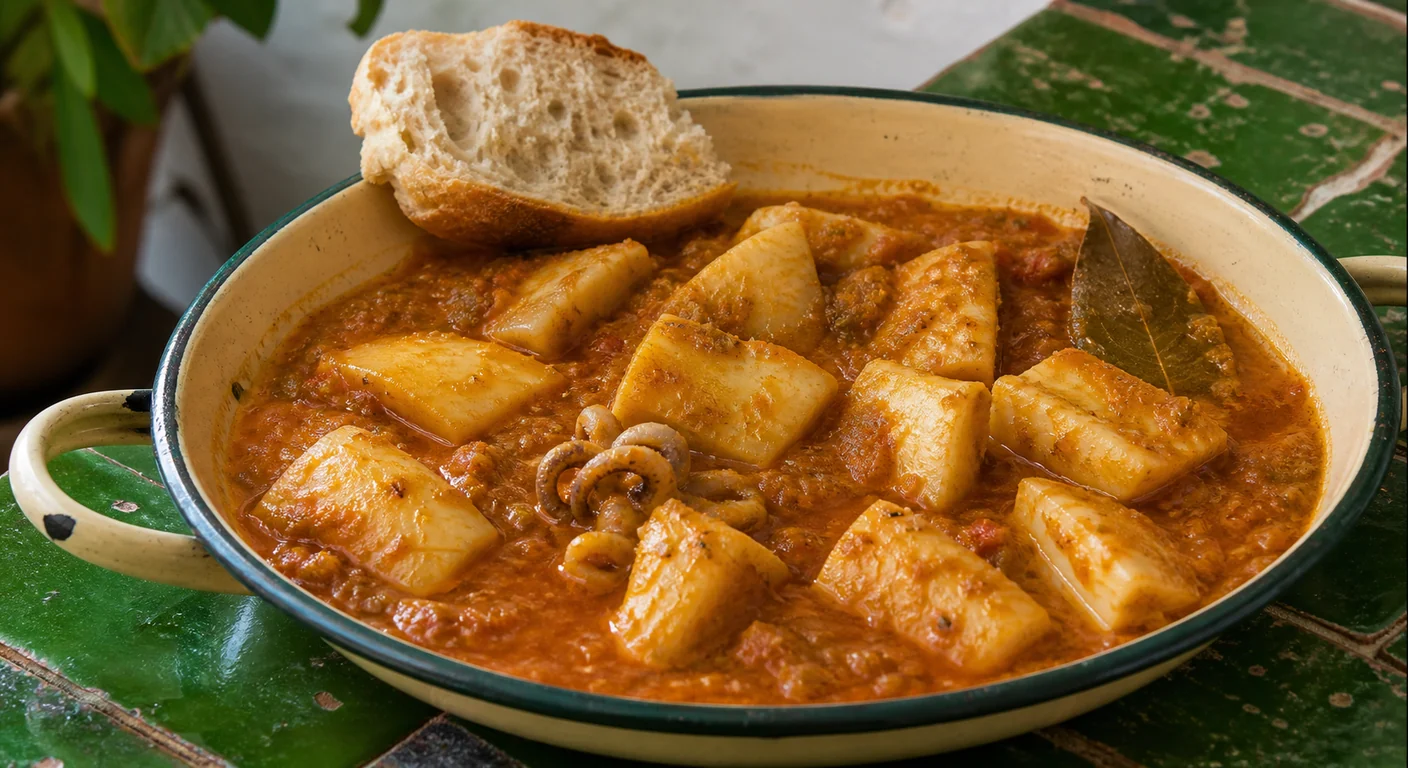
Pieces of cuttlefish stewed to tenderness in a sofrito enriched with ñora or choricero pepper, white wine and a majado of garlic and almonds. A thick, warming Almería tapa made for bread.
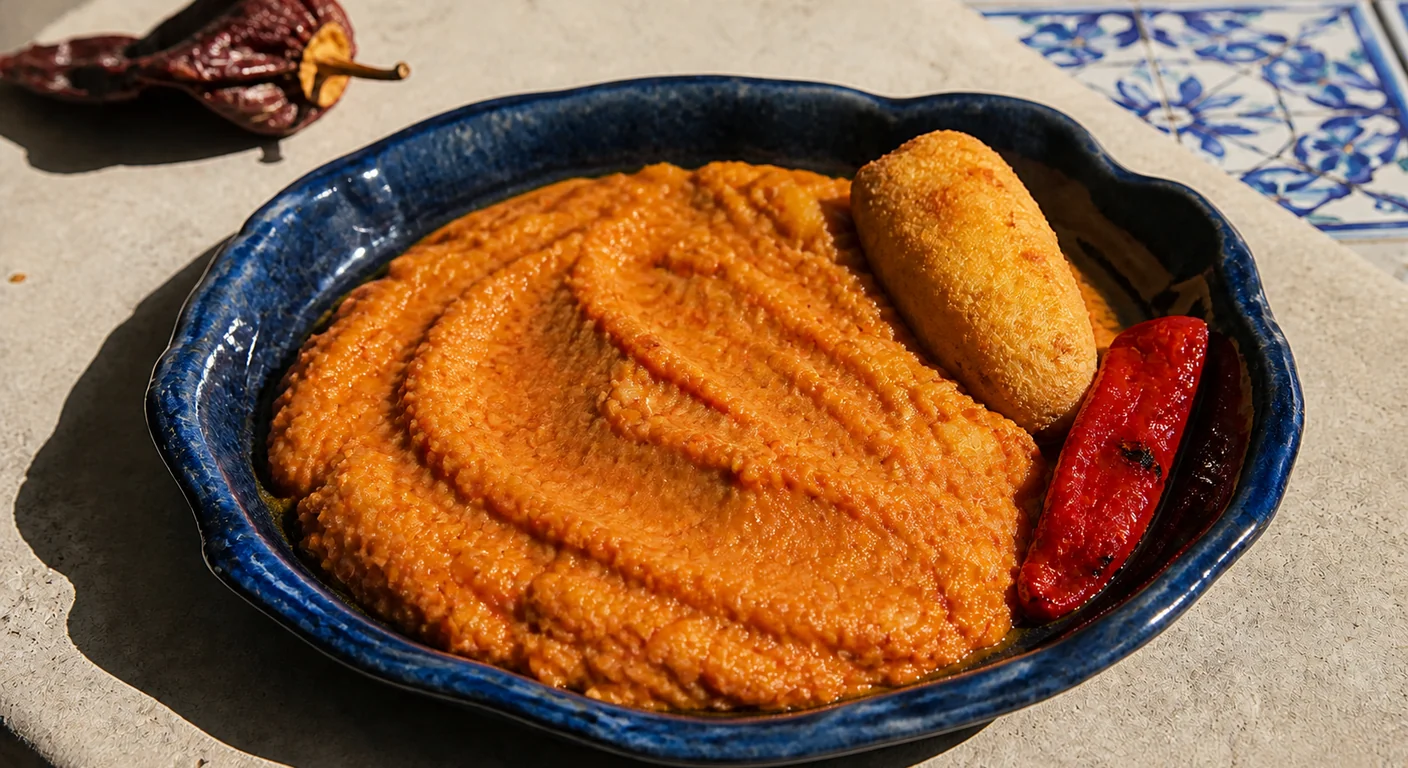
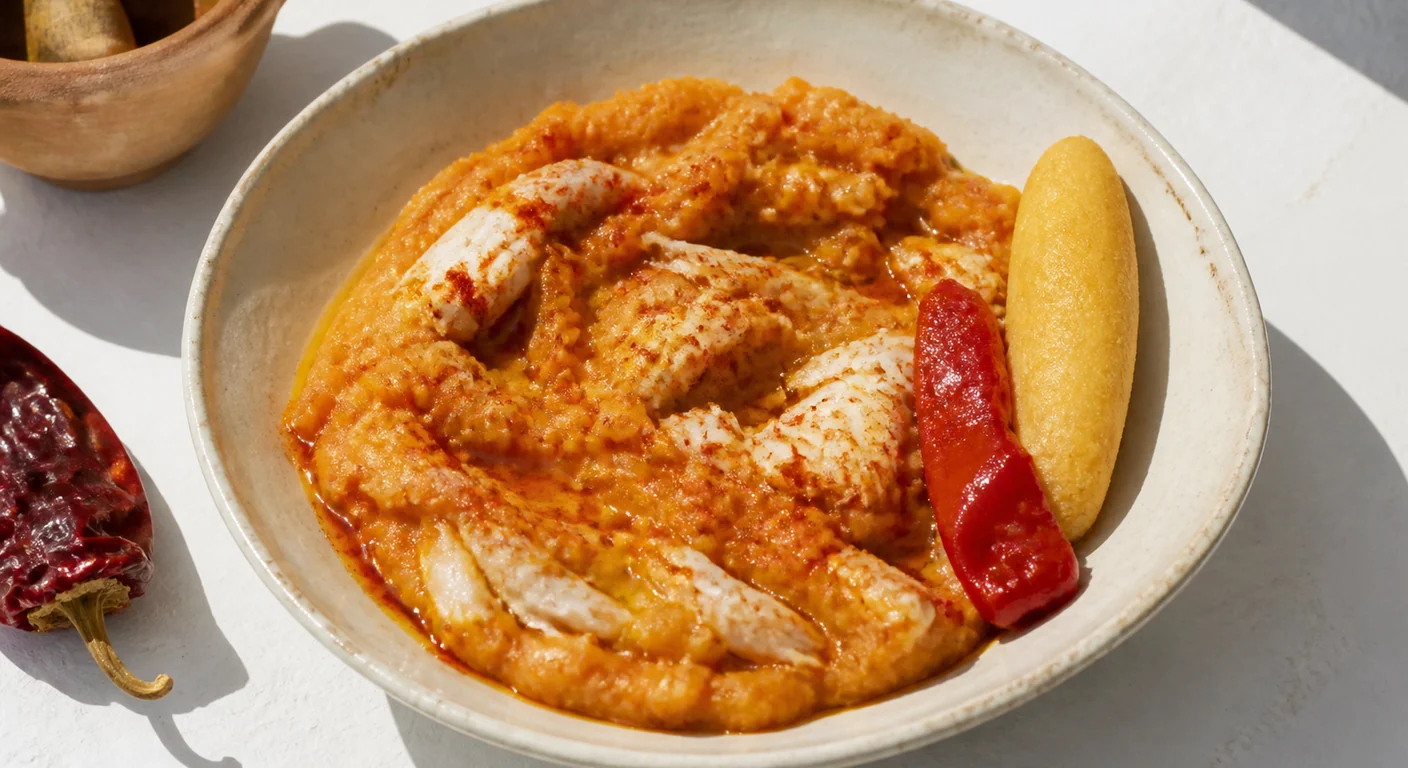
A warm, silky mash of potato, desalted cod, dried red pepper, garlic, cumin and olive oil. In the Almanzora valley it comes with small fried corn-dough bollos de panizo.
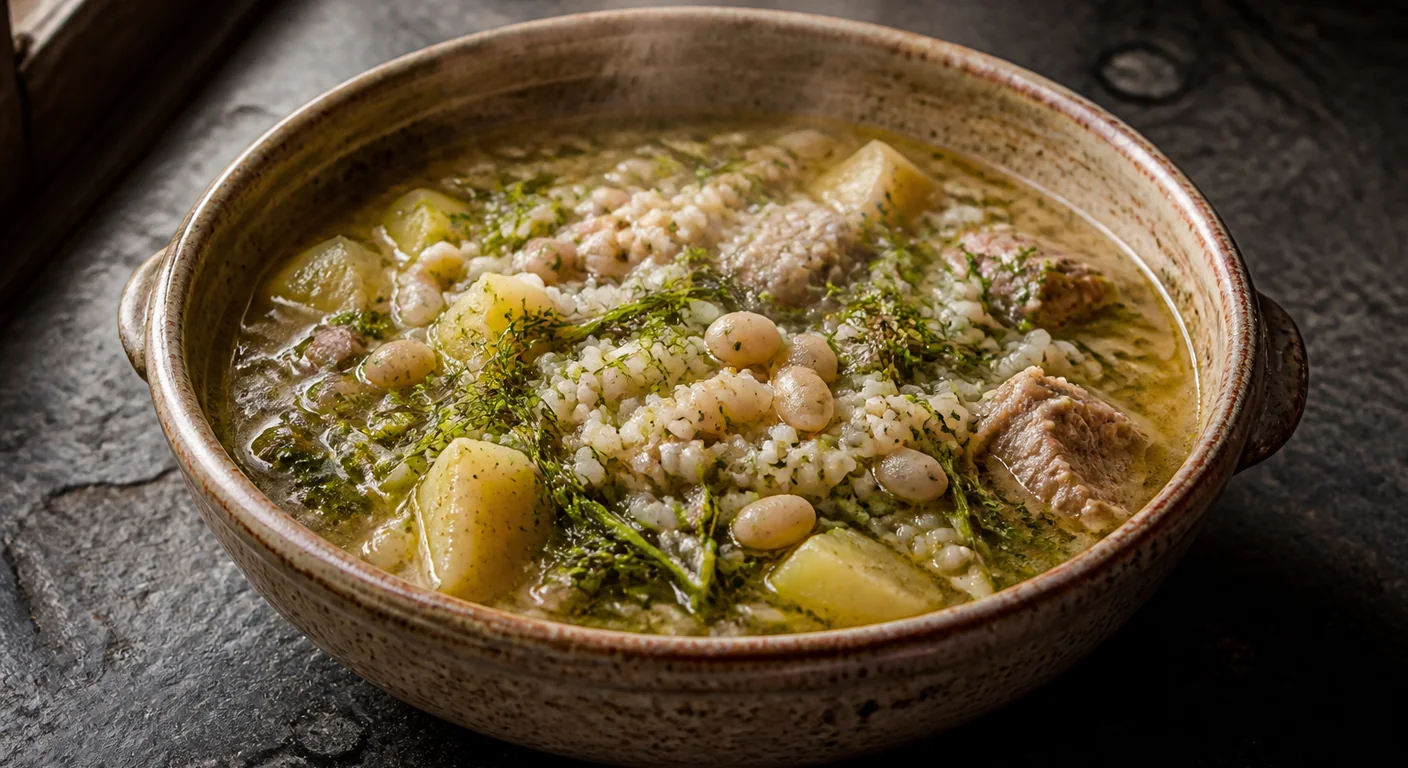
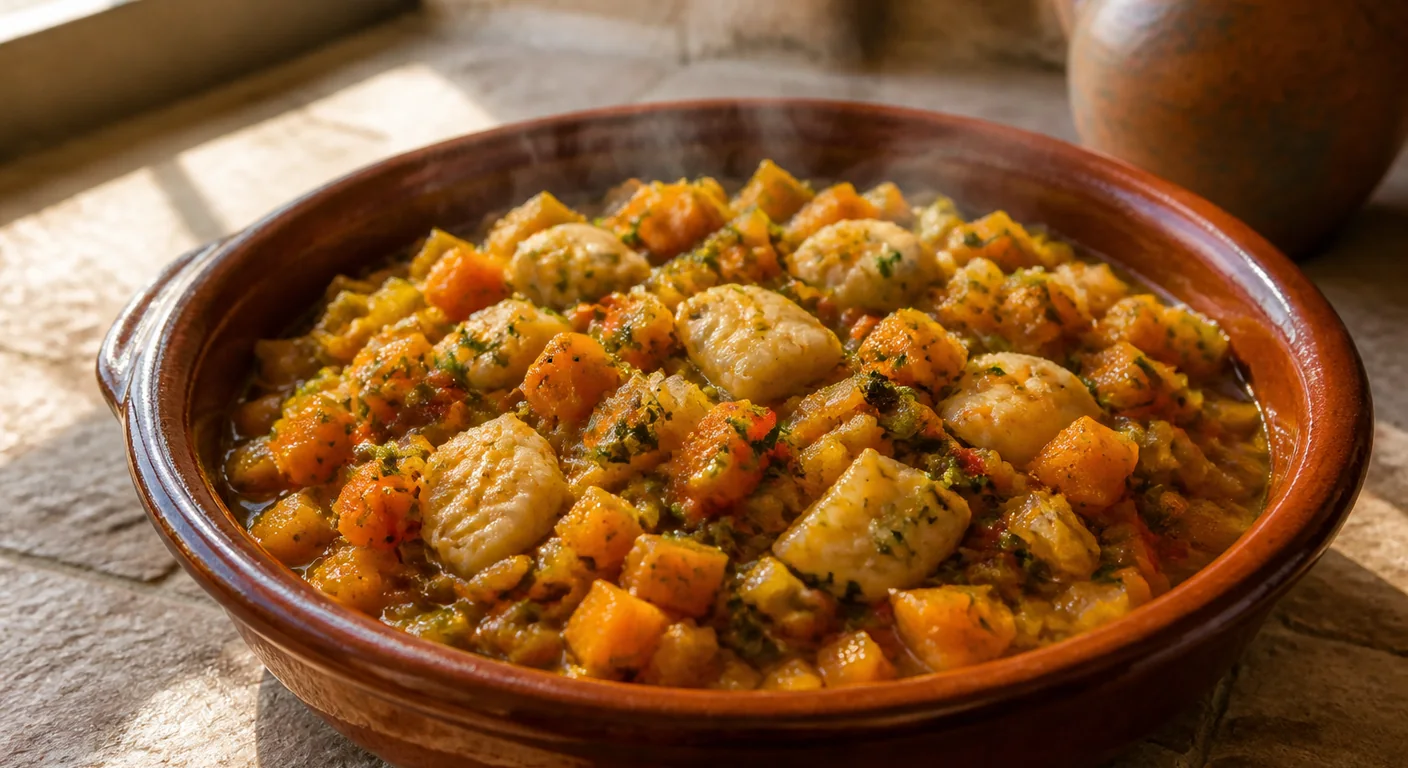
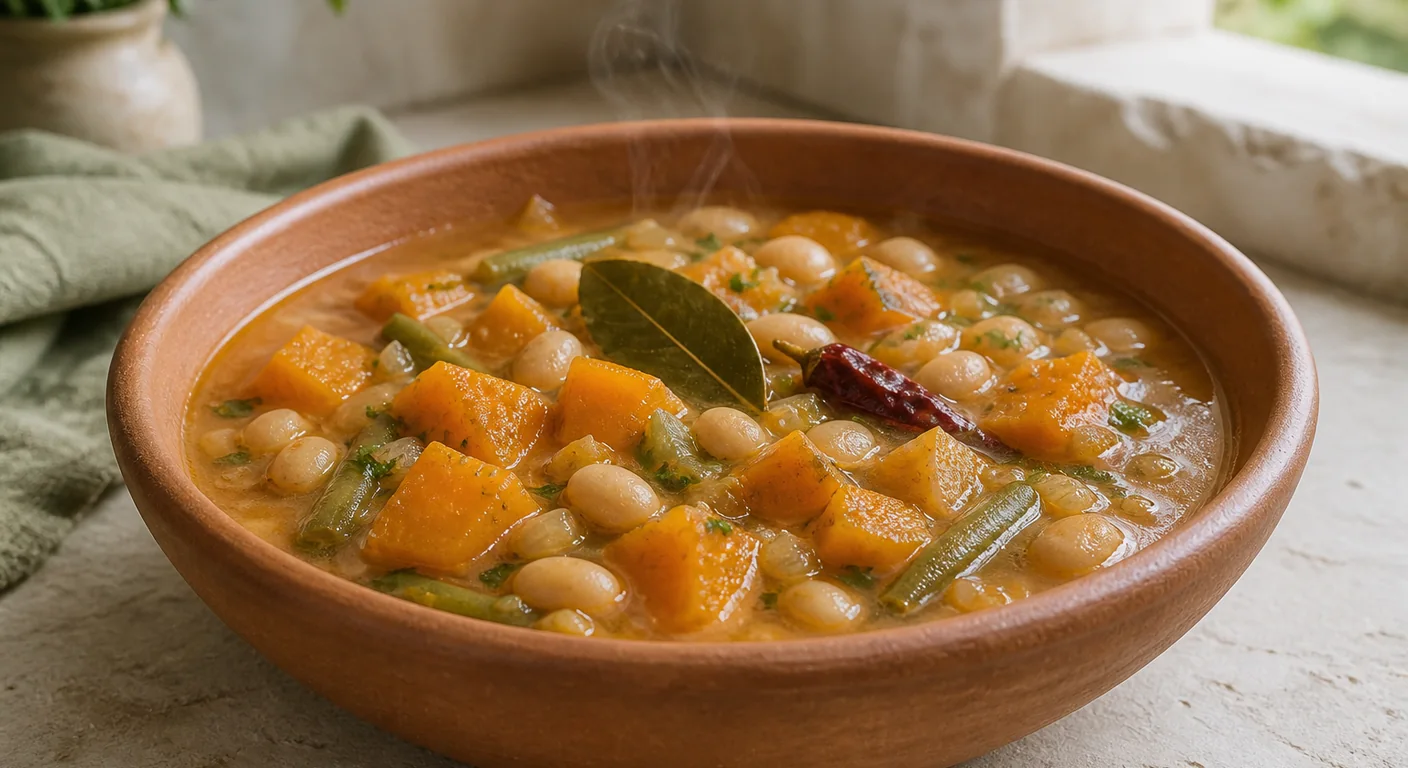
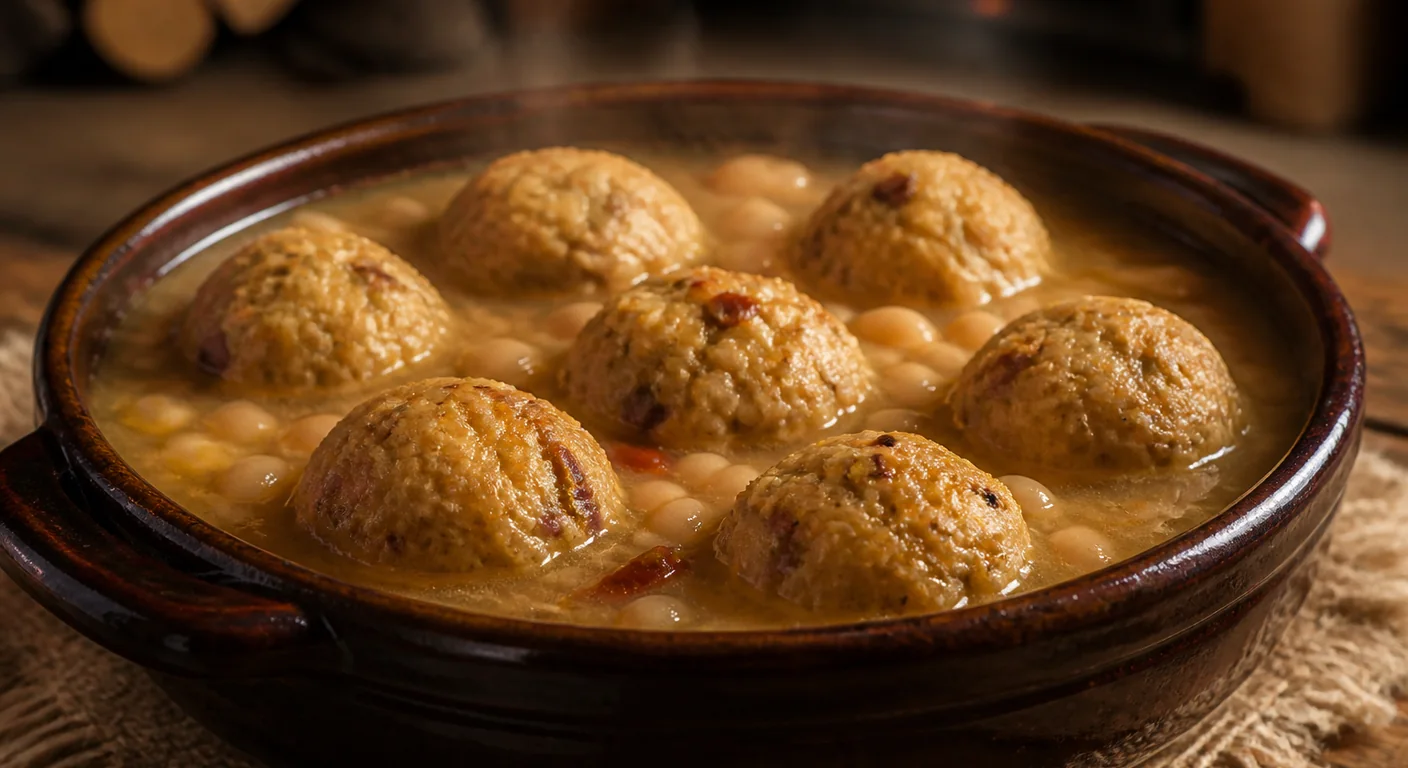
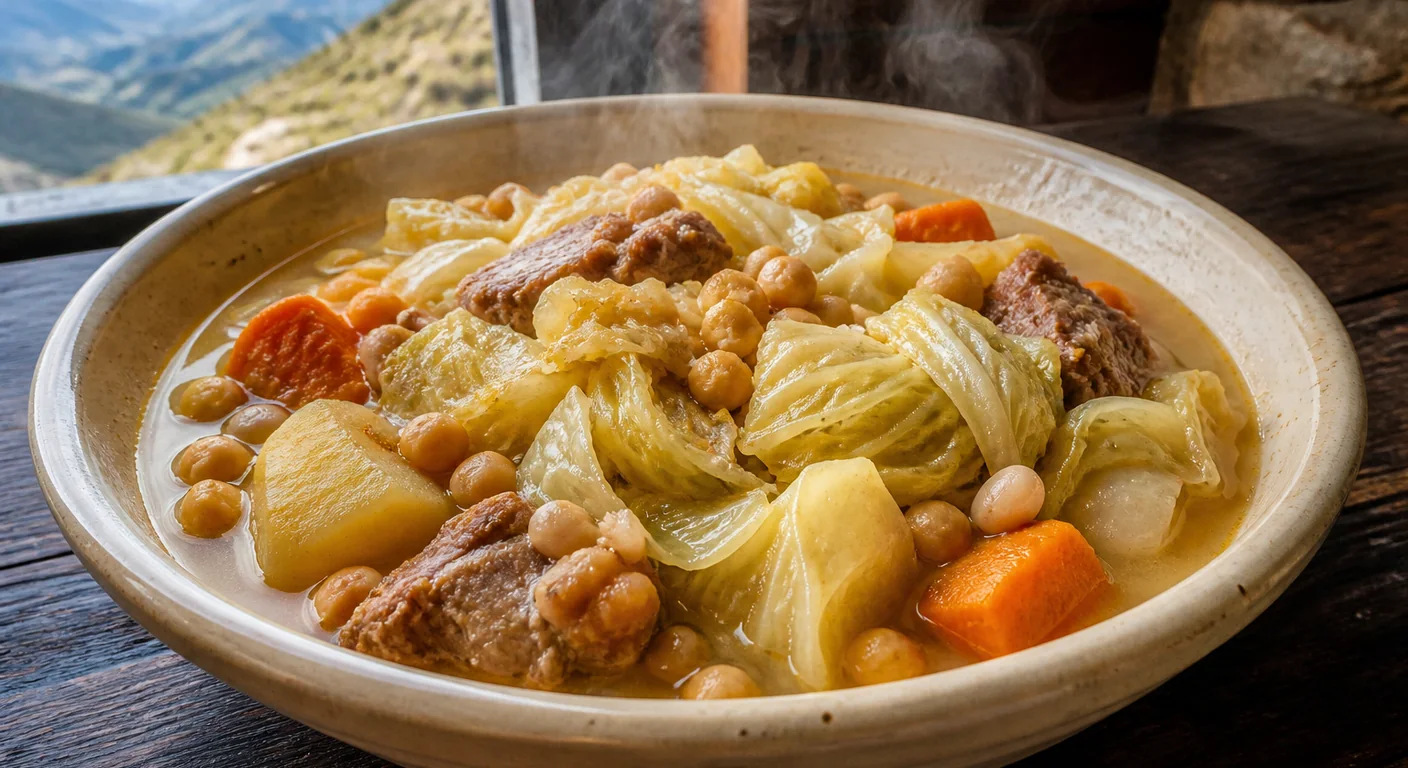
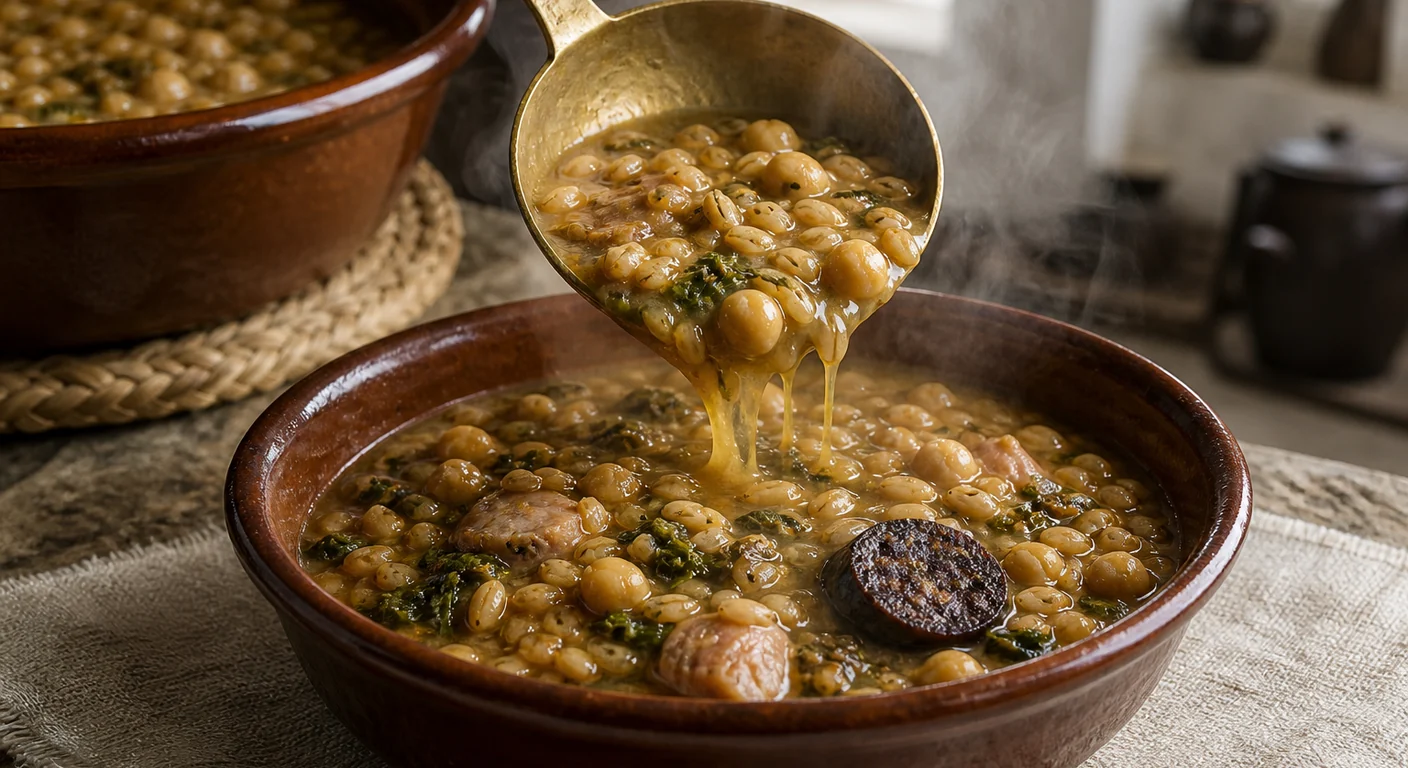
This stew from inland Almería brings together whole wheat grains, chickpeas, cuts of pork, morcilla and tender fennel shoots. The wheat, precooked and rested, gives the broth its deep, melting texture.
The garlic sauce most often served in bars: a creamy, mild garlic mayonnaise, inseparable from the patatas alioli of Almería's tapas.