History and origin
Griddled sardines, lively skin and the direct scent of the Mediterranean
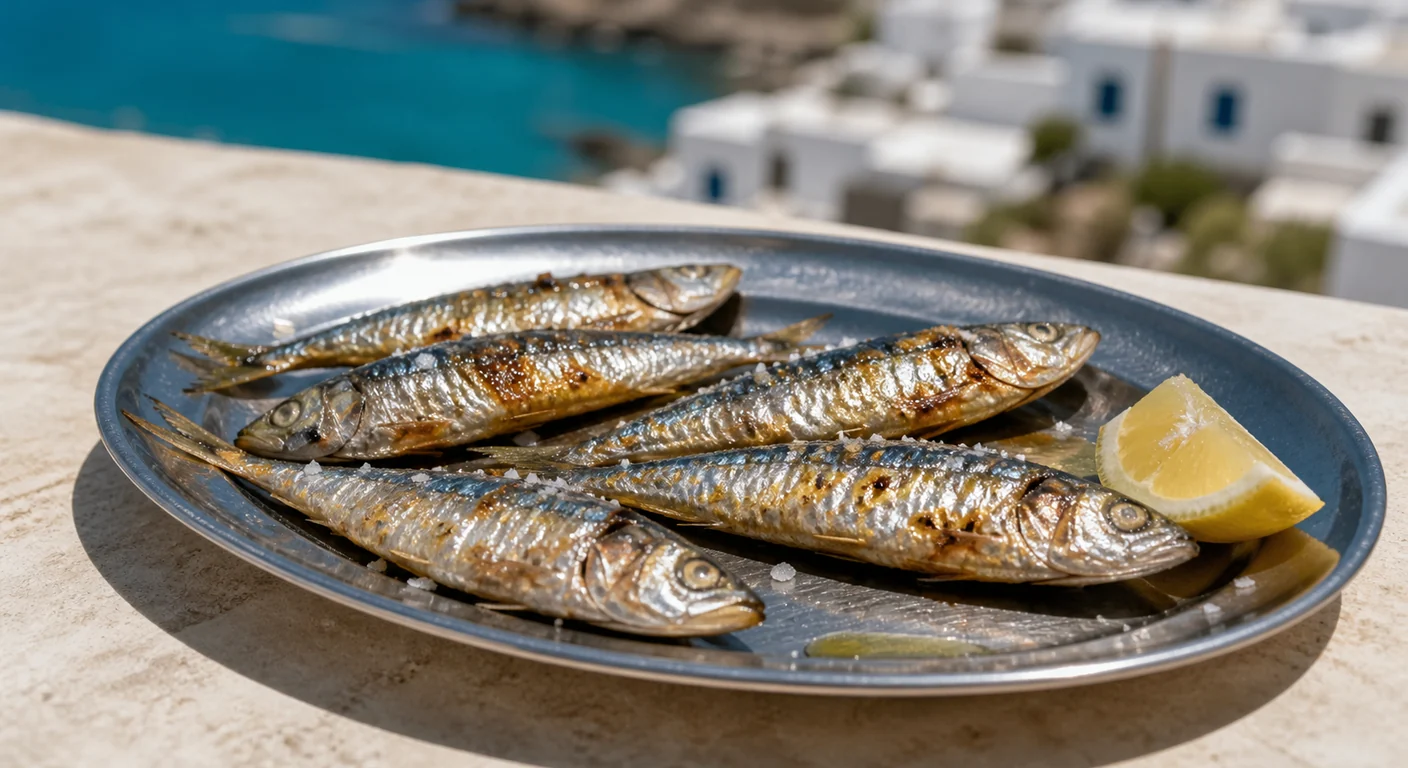
Sardinas give their best when very fresh and handled little. Grilled whole or laid on a hot plancha, they take on a silvery skin, golden in patches, protecting rich, juicy flesh. Coarse salt, a thread of olive oil and perhaps a piece of lemon are enough; a complex marinade would erase the sharpness sought.
The sardine belongs to the shared heritage of the Mediterranean and Andalusian coasts. The official guide to the province of Almería lists moragas, fresh fish and migas served with sardines among the customs of the shoreline. It therefore slots naturally into this selection, though that presence allows no claim of an origin of Alhama's own.
One precision matters: the espeto, the cane of sardines planted beside the embers, is promoted by official tourism sources as a signature of Málaga. For an Almería page titled simply Sardinas, the plancha or an ordinary grill is the more careful image; the moraga, a cooking or communal meal around the fish depending on the place, would also deserve its own treatment. Served hot, they are eaten without ceremony — season, size and fat change the result, so freshness matters more than any single formula.