History and origin
The caña that opens the round — and brings the tapa with it
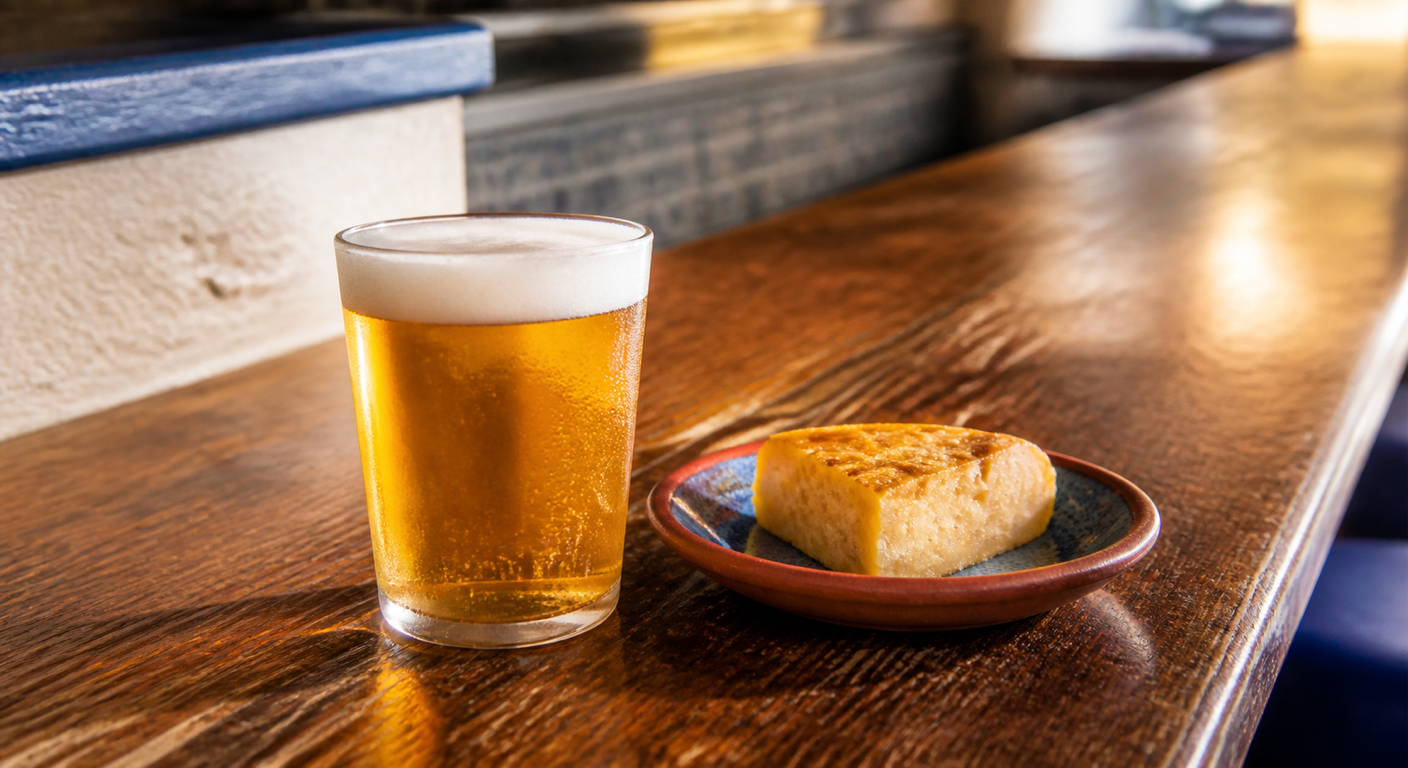
A caña is draught beer in a short glass. The usual measure in central and southern Spain is around 200 millilitres, and that shortness is deliberate: the glass is finished before the heat of the street catches up with it. Hence rounds that are renewed often, and a counter always in motion.
The name comes from 19th-century hospitality. “Caña” was the vertical metal pipe through which beer rose from the cellar barrels to the tap on the counter; another explanation points to the Andalusian street vendor whose wide cane served as a measuring unit. The Royal Academy eventually recorded the word for that tall, narrow cylindrical glass shaped like a cane stalk.
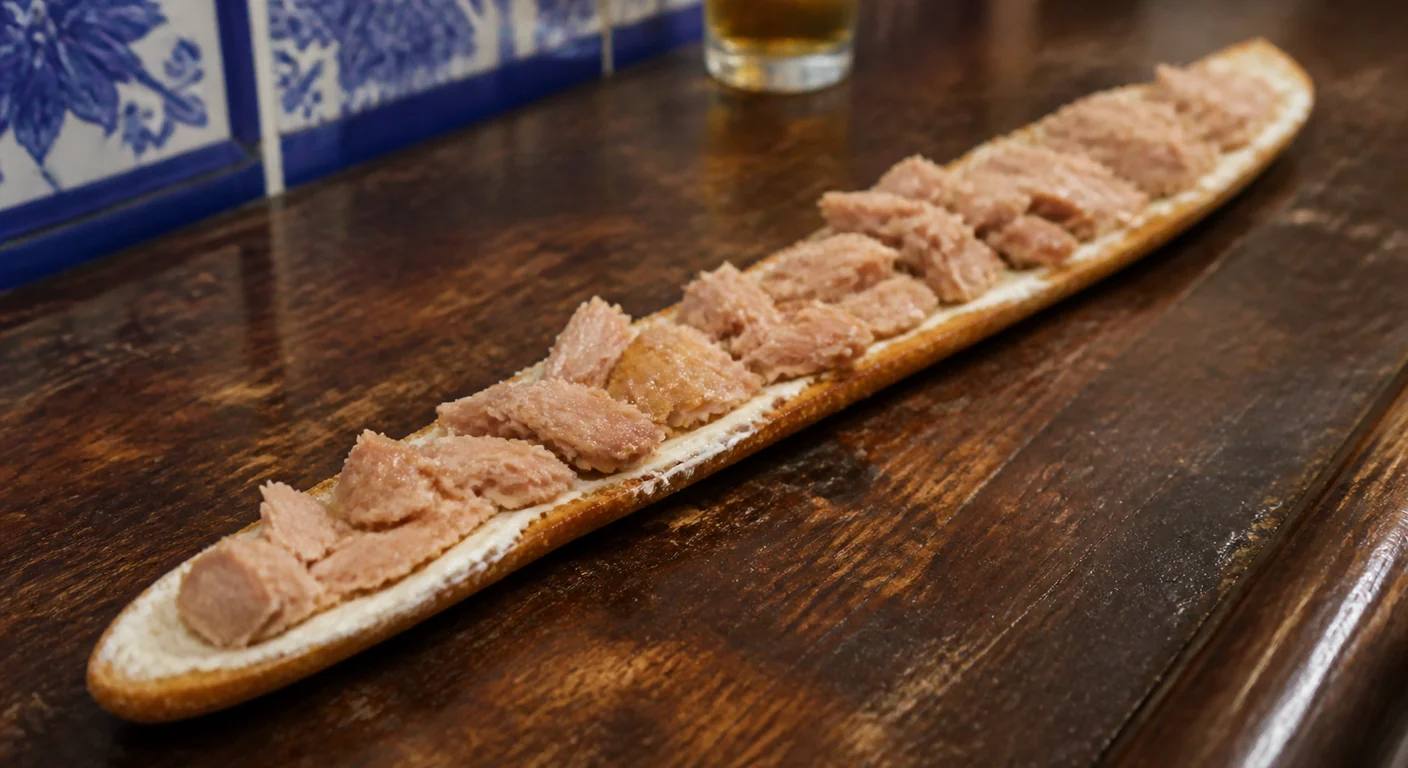
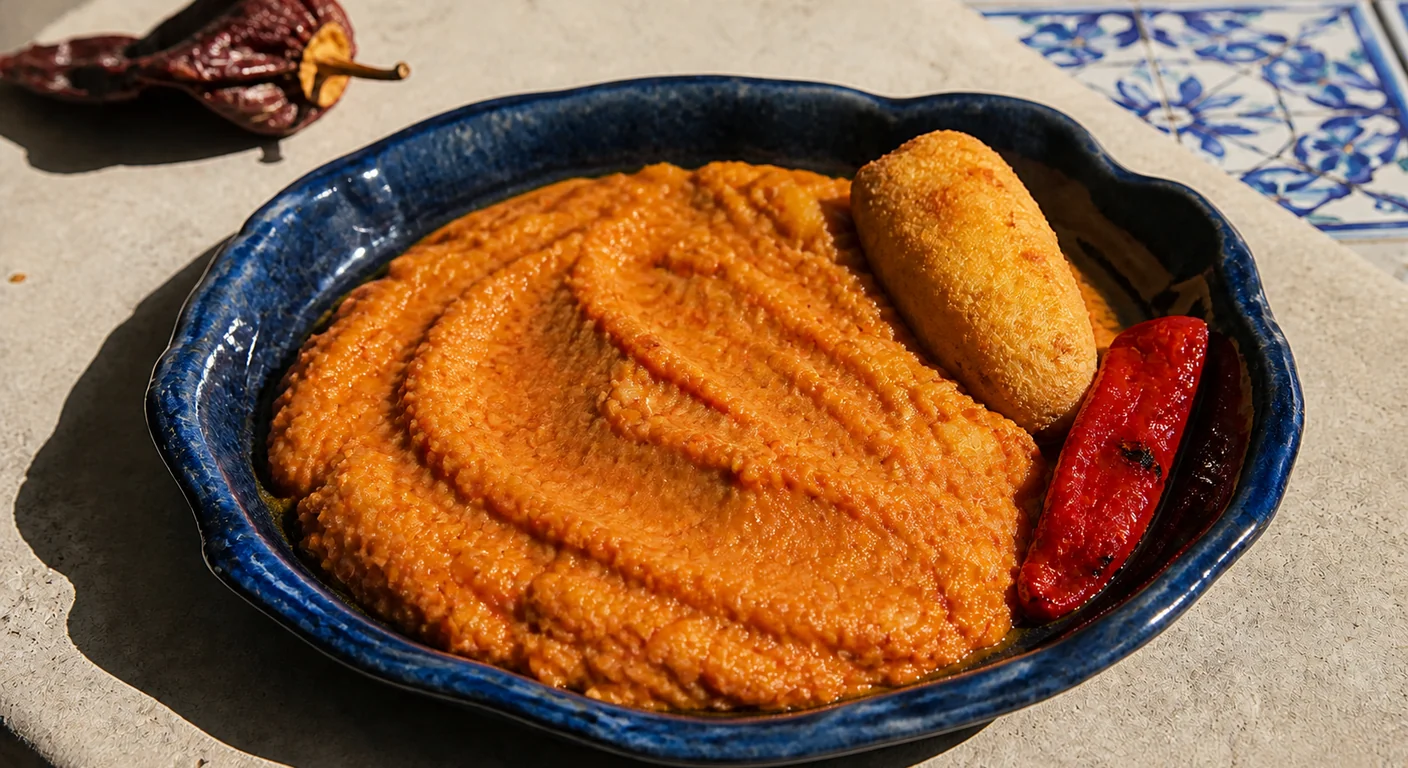
In Almería the caña is above all the gateway to the tapa custom: most houses serve it with a small dish included in the order, and many let you choose from a list or a chalkboard. Every round brings a different tapa — which is exactly how tapeo moves from bar to bar.